

Konnichiwa, everyone! 🇯🇵
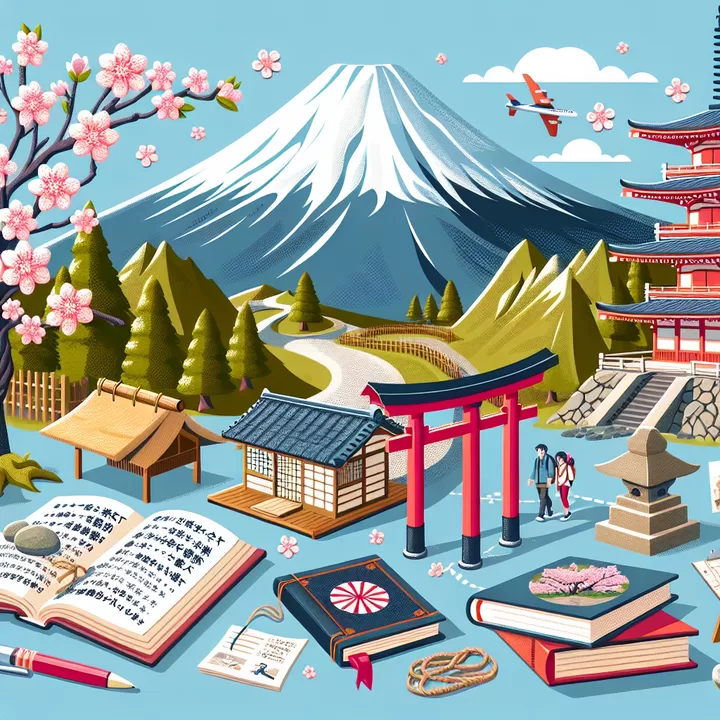
For many of you studying Japanese and dreaming of life in Japan, seeing the magnificent Mt. Fuji is often at the very top of your bucket list. It’s not just a mountain; it’s a symbol of Japan, a source of inspiration, and a breathtaking natural wonder that truly captures the heart.
As your Japanese language teacher, I often hear my students excitedly talk about their future travels and their desire to witness Fuji-san with their own eyes. That dream is totally within reach! To help you prepare for that unforgettable journey, I’ve put together this comprehensive guide. Let’s make that dream a reality!
Mt. Fuji: Your Dream Visit Guide from a Japan Teacher
Why Mt. Fuji is a Must-Visit for You! 🇯🇵
Mt. Fuji, or 富士山 (Fuji-san), stands proudly as Japan’s highest peak and a UNESCO World Heritage site. Its iconic, symmetrical cone is instantly recognizable and has been depicted in countless artworks, poems, and photographs for centuries. For many, it represents strength, beauty, and resilience.
-
A Symbol of Japan:
Seeing Fuji-san in person is like shaking hands with Japan itself. It’s an experience that connects you deeply with the country’s spirit and natural beauty.
-
More Than Just a Mountain:
The area surrounding Mt. Fuji, especially the Fuji Five Lakes (富士五湖, Fuji Goko), offers so much more than just a view. You can enjoy beautiful lakes, charming towns, hot springs (温泉, onsen), and a variety of outdoor activities.
-
A Personal Milestone:
For many of my students, being able to navigate around Japan and visit such an iconic landmark using their Japanese language skills is a huge personal achievement. It’s a fantastic way to practice everything you’ve learned in the classroom in a real-world setting!
When to Go: Timing Your Mt. Fuji Adventure 🗓️
Knowing the best time to visit Mt. Fuji depends heavily on whether you plan to climb it or simply enjoy its majestic views. The mountain shows different faces throughout the year!
-
For Viewing Mt. Fuji (October to February – Winter/Autumn):
If your goal is to see a clear, snow-capped Mt. Fuji, the colder months are your best bet. The air is crisp and clear, and there’s less cloud cover. Days are shorter, but the winter scenery is simply magical, especially with the snow-covered peak. While it’s cold, the reward is often a perfect, unobstructed view.
-
For Climbing Mt. Fuji (Early July to Early September – Summer):
The official climbing season is relatively short. During this time, the trails are open, mountain huts are operating, and public transportation to the trailheads is available. However, be prepared for crowds, especially during mid-August (Obon holidays). It’s a challenging climb, and you’ll need proper gear and preparation. The peak is often free of snow in summer, and views can be obscured by clouds, so the iconic snow-capped image you often see isn’t typical during climbing season.
-
Spring (March to May):
Spring can offer beautiful views, sometimes with lingering snow on the peak and cherry blossoms in the foreground, especially in late March to mid-April. However, weather can be unpredictable, and clear views aren’t guaranteed.
-
Rainy Season (June):
This is generally the least ideal time for viewing Fuji, as it’s often covered by clouds and rain.
💡 Teacher’s Tip:
Always check the weather forecast right before your trip! Mt. Fuji can be quite shy, and even on a clear day, clouds can roll in quickly. Having a flexible schedule for a day or two is ideal if you want to maximize your chances of a perfect view.
Getting There: Your Journey to Fuji-san! 🚉🚌
Most travelers start their journey to Mt. Fuji from Tokyo. The most popular area for viewing Mt. Fuji is the Fuji Five Lakes region, with Lake Kawaguchiko being the most accessible and popular hub.
-
By Train + Fujikyu Railway:
This option offers a comfortable and scenic journey. From Shinjuku Station in Tokyo, take the JR Chuo Line to Otsuki Station (approx. 1 hour by limited express). From Otsuki, transfer to the Fujikyu Railway Line to Kawaguchiko Station (approx. 50 minutes). If you have a Japan Rail Pass, the JR portion to Otsuki is covered, but the Fujikyu Railway portion requires a separate fare (about ¥1,170 one way).
-
By Highway Bus:
This is often the most direct and economical option. Direct highway buses depart frequently from major terminals in Tokyo, such as Shinjuku Express Bus Terminal (Basuta Shinjuku) and Tokyo Station. The journey to Kawaguchiko Station takes approximately 1 hour 45 minutes to 2 hours, depending on traffic, and costs around ¥2,000-¥2,500 one way. This is highly recommended for convenience!
🗺️ Getting Around the Fuji Five Lakes Area:
Once you arrive at Kawaguchiko Station, getting to the various viewing spots is easy! The Kawaguchiko Retro Bus is a popular tourist bus that loops around the lake, stopping at key attractions. You can also rent bicycles, which is a wonderful way to explore at your own pace if the weather is good. For longer distances, local buses or taxis are available.
Top Spots for Breathtaking Mt. Fuji Views 📸
The Fuji Five Lakes area is famous for offering some of the most iconic and diverse views of Mt. Fuji. Here are some of my top recommendations:
-
Lake Kawaguchiko (河口湖):
This is the most famous of the Fuji Five Lakes and for good reason! Many hotels and guesthouses line its shores, offering fantastic views. You can enjoy boat cruises, paddle boating, or take the Kachi Kachi Ropeway for panoramic views of the lake and Fuji-san. The northern shore is particularly famous for its autumn leaves and cherry blossom reflections with Fuji in the background. It’s also a great spot to try and capture “Reverse Fuji” (逆さ富士, Sakasa Fuji), where the mountain’s reflection is perfectly visible on the lake’s surface.
-
Chureito Pagoda (忠霊塔) at Arakurayama Sengen Park:
This is the quintessential postcard view of Japan! Imagine a beautiful five-storied pagoda, vibrant cherry blossoms (in spring) or fiery autumn leaves (in autumn), and the majestic Mt. Fuji in the background. It’s a bit of a climb up stairs to reach the best viewpoint, but absolutely worth it for the unforgettable photo opportunity.
-
Oshino Hakkai (忍野八海):
Nestled between Lake Kawaguchiko and Lake Yamanakako, Oshino Hakkai is a picturesque traditional Japanese village with eight crystal-clear ponds fed by melted snow from Mt. Fuji. The water is incredibly pure, and the reflections of Fuji-san on a calm day are stunning. It’s a lovely place to stroll, enjoy the traditional atmosphere, and perhaps sample some local snacks.
-
Lake Yamanakako (山中湖):
The largest of the Fuji Five Lakes and closest to Mt. Fuji. It offers a different perspective and is less crowded than Kawaguchiko. It’s a popular spot for watersports and also a great place to see “Diamond Fuji” (ダイヤモンド富士, Daiyamondo Fuji) when the setting sun aligns perfectly with the mountain’s peak, creating a sparkling diamond effect.
-
Gotemba Premium Outlets (御殿場プレミアム・アウトレット):
If you love shopping, this is a unique spot where you can enjoy views of Mt. Fuji while browsing high-end brands. It’s one of Japan’s largest outlets and offers a fun combination of retail therapy and natural beauty.
| Viewing Spot | Highlights | Best For |
|---|---|---|
| Lake Kawaguchiko | Ropeway, boat rides, “Reverse Fuji” | Variety of views, easy access, activities |
| Chureito Pagoda | Iconic pagoda + Fuji view (especially with cherry blossoms) | Photography, iconic Japanese scenery |
| Oshino Hakkai | Clear ponds, traditional village, reflections | Cultural experience, tranquil views |
| Lake Yamanakako | Largest lake, “Diamond Fuji” opportunities | Less crowded, watersports |
| Gotemba Premium Outlets | Shopping with Fuji views | Combining shopping and sightseeing |
Essential Japanese Phrases for Your Fuji Trip! 🗣️
Even if you’re a beginner, knowing a few key Japanese phrases will significantly enhance your trip and make interactions smoother. Don’t be afraid to try them out!
| Japanese Phrase (Kanji/Kana) | Romaji (Reading) | English Meaning / Usage |
|---|---|---|
| こんにちは | Konnichiwa | Hello / Good afternoon. (Use widely) |
| ありがとうございます | Arigatou gozaimasu | Thank you very much. (Use constantly!) |
| すみません | Sumimasen | Excuse me / Sorry. (Use to get attention or apologize) |
| 〜はどこですか? | ~ wa doko desu ka? | Where is ~? (e.g., 駅はどこですか? – Eki wa doko desu ka? – Where is the station?) |
| いくらですか? | Ikura desu ka? | How much is it? (For shopping or asking about prices) |
| これください | Kore kudasai | This one, please. (When pointing to an item you want to buy) |
| おいしいです! | Oishii desu! | It’s delicious! (Show appreciation for food) |
| 写真をとってもいいですか? | Shashin o totte mo ii desu ka? | May I take a picture? (Be polite when taking photos of people or private property) |
Cultural Tips for a Respectful Visit 🙏
Experiencing Japan goes beyond just sightseeing; it’s about understanding and respecting the local culture. Here are a few tips to ensure your Mt. Fuji trip is smooth and respectful:
🌸 Cultural Note:
-
Respect Nature:
Mt. Fuji is a sacred mountain. Always stay on marked trails, don’t litter, and respect the natural environment. Take nothing but photos, leave nothing but footprints.
-
Public Transportation Etiquette:
Keep your voice down on trains and buses, especially on longer journeys. Avoid talking on your phone. Queue patiently and allow others to exit before boarding.
-
Footwear:
You’ll often need to remove your shoes when entering traditional accommodations, some restaurants, and temples/shrines. Look for shoe lockers or areas where others have left their shoes.
-
Shrines and Temples:
Observe the customs: bow before entering the torii gate (for shrines) or main gate (for temples), cleanse your hands and mouth at the purification fountain, and be respectful during worship. No loud conversations inside the worship halls.
Teacher’s Advice for a Memorable Mt. Fuji Experience! 🎒
As your teacher, I want your trip to be as enjoyable and smooth as possible. Here are a few extra pointers:
-
Dress in Layers:
Even if it’s sunny, the weather around Mt. Fuji can change rapidly, especially at higher altitudes or near the lakes. Dress in layers so you can adjust to temperature changes.
-
Comfortable Footwear:
You’ll be doing a lot of walking, whether it’s exploring around the lakes or climbing to a viewpoint like Chureito Pagoda. Good walking shoes are a must!
-
Stay Connected:
Consider renting a portable Wi-Fi device or getting a local SIM card. Google Maps is invaluable for navigating public transport and finding attractions.
-
Bring Cash (Yen):
While many places accept cards, smaller shops, local eateries, or some bus fares might require cash. It’s always good to have some Japanese Yen on hand.
-
Embrace the Unexpected:
Sometimes, Fuji-san can be shy and hide behind clouds. Don’t let it disappoint you! Enjoy the surrounding beauty, the delicious local food, and the unique atmosphere. The journey itself is part of the adventure!
-
Practice Your Japanese:
This is the perfect opportunity! Order food, ask for directions, greet shopkeepers. Even simple phrases like 「ありがとう」 (Arigatou – Thank you) or 「すみません」 (Sumimasen – Excuse me) can go a long way in making connections and showing respect.
Seeing Mt. Fuji is more than just checking off a landmark; it’s an experience that will stay with you long after you’ve returned home. It’s a testament to the beauty of Japan and a perfect opportunity to apply and improve your Japanese language skills in a real-world context.
I hope this guide helps you plan your dream visit. Keep studying diligently, keep dreaming big, and soon you’ll be standing there, gazing at the magnificent Fuji-san, perhaps even saying 「すごーい!」 (Sugoi! – Amazing!) or 「きれい!」 (Kirei! – Beautiful!)
Ganbatte kudasai! (Good luck, keep up the effort!)
Contact & Follow Us
お問い合わせ
📞 電話: +63 997 093 4550
📧 メール: samuraijapan.bc@gmail.com
🏠 住所: Room D3, Freb Bldg, Villa Donata Subd, Muntinlupa
🏢 会社名: SAMURAI Japan Business Center Inc.
SNSでフォロー
🎵 Tiktok: @samuraijapan0221
📸 Instagram: @samuraijapan.bc
▶️ Youtube: @SamuraiJapan-bc
📘 Facebook: Visit our Page
