

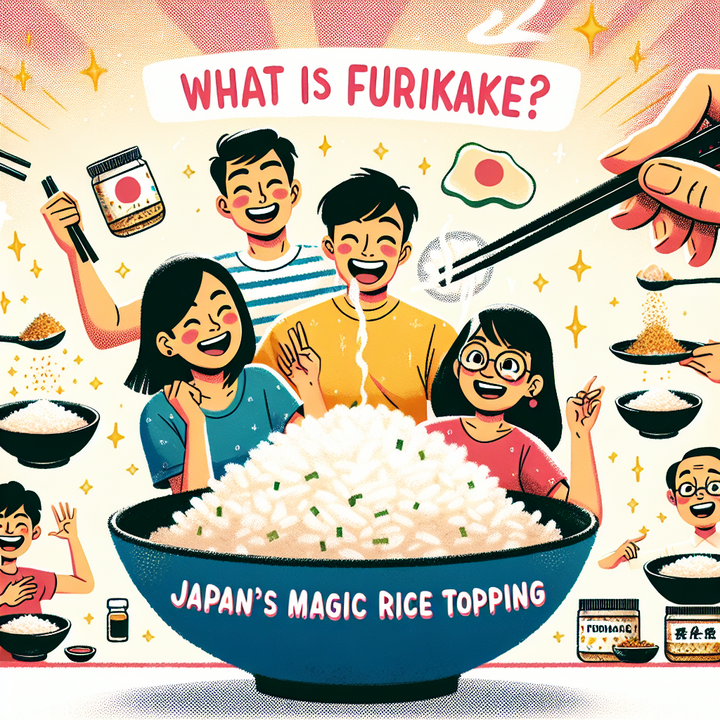
【For Filipinos】What is Furikake? Japan’s Magic Rice Topping
Mabuhay, future Japan explorers! Kumusta kayo? As your Japanese language teacher, I’m incredibly excited to share with you one of Japan’s culinary treasures that often goes unnoticed by newcomers: Furikake (ふりかけ)! If you’re dreaming of living in Japan, whether for study, work, or just daily life, understanding its food culture is just as important as mastering its language. And Furikake? It’s not just a seasoning; it’s a tiny packet of flavor, history, and convenience that every aspiring resident of Japan should know about!
You might have already seen it in Japanese groceries or even your local Asian supermarket here in the Philippines. Those colorful packets filled with tiny flakes and bits? That’s furikake! But what exactly is it, why is it so popular, and how can learning about it help you on your Japanese journey? Let’s dive in!
What Exactly IS Furikake? A Flavorful History!
Imagine a simple bowl of plain, warm Japanese rice. Delicious, right? But sometimes, you want to add a little something extra, a burst of flavor and texture that transforms it into a mini-feast. That’s where furikake comes in! It’s a dry, savory condiment that you sprinkle over cooked rice. Think of it as Japan’s very own versatile flavor enhancer, packed with umami and often a delightful crunch.
Did you know furikake has a fascinating history? It wasn’t just invented for taste! In fact, its origins are rooted in nutrition. Over a century ago, during the Taisho era (early 1900s), a Japanese pharmacist named Suekichi Yoshimaru created a mixture of ground fish bones, sesame seeds, and other ingredients to help address calcium deficiencies in the population. He called it “Gohan no Tomo” (ご飯の友), meaning “a friend for rice.” From humble beginnings as a nutritional supplement, it evolved into the beloved seasoning we know today, becoming a pantry staple in nearly every Japanese household.
A Galaxy of Flavors: Popular Furikake Varieties
One of the most exciting things about furikake is the sheer variety! There’s a flavor for every palate, and trying different types is a fantastic way to explore Japanese tastes. Here are some of the most common and beloved types you’ll encounter:
-
Nori Tamago (のりたまご)
This is arguably the most famous and a great starting point for beginners. “Nori” means seaweed, and “tamago” means egg. It’s a delicious mix of tiny, flavorful seaweed flakes and fluffy, dried egg granules, often with a hint of sesame. It has a slightly sweet and savory profile that is incredibly comforting.
-
Goma Shio (ごましお)
Simple yet satisfying, “Goma Shio” translates to sesame salt. It’s a blend of toasted black and white sesame seeds with salt. It provides a wonderful nutty aroma and a pleasant crunch, perfect for those who prefer a more subtle flavor or want to appreciate the natural taste of rice.
-
Okaka (おかか)
This type features dried bonito flakes (katsuobushi, 鰹節) as its main ingredient, often seasoned with soy sauce and other savory elements. It has a deeply umami, slightly smoky flavor that is very characteristic of Japanese cuisine.
-
Shake (鮭)
For seafood lovers, “Shake” furikake (salmon) is a must-try. It contains dried salmon flakes, giving your rice a delicate, savory, and slightly salty fish flavor. It’s perfect for making quick and easy salmon onigiri (rice balls).
-
Tarako (たらこ) / Mentaiko (明太子)
These varieties feature seasoned pollock roe, offering a distinct briny and slightly spicy (for mentaiko) flavor. It’s a more adventurous choice but incredibly popular in Japan.
-
Wasabi (わさび)
If you like a kick, wasabi furikake delivers! It provides that familiar pungent heat of Japanese horseradish, adding an exciting zing to your rice. Great for waking up your taste buds!
-
Ume (梅)
Made from pickled plum (umeboshi, 梅干し), this furikake offers a unique sour and salty taste, often with a vibrant pink color. It’s refreshing and can cut through rich flavors.
As a teacher, I always tell my students: don’t be afraid to try new flavors! Experimenting with furikake is a fun way to expand your palate and find your personal favorites, which will make your daily meals in Japan even more enjoyable.
Beyond the Rice Bowl: Creative Uses for Furikake
While furikake’s primary purpose is to top rice, its versatility means it can be used in countless other ways. Knowing these creative applications will make your Japanese cooking more exciting and efficient!
-
Onigiri (おにぎり – Rice Balls)
This is probably the second most popular use. Instead of just adding a filling, you can mix furikake directly into the rice before shaping your onigiri, or sprinkle it on the outside. It’s a convenient way to add flavor and make your homemade rice balls more appealing.
-
Pasta and Noodles
Sprinkle some furikake over plain buttered pasta, or even over a bowl of ramen or udon for an extra layer of flavor and texture. Nori Tamago or Okaka are particularly good for this!
-
Salads
Give your salads a Japanese twist! Furikake can replace croutons or add a savory crunch to your greens, especially if they have an Asian-inspired dressing.
-
Eggs
Whether it’s scrambled eggs, fried eggs, or tamagoyaki (Japanese rolled omelet), a dash of furikake can elevate your breakfast. The Nori Tamago variety is especially fitting here!
-
Popcorn and Snacks
Looking for a unique snack? Shake furikake over freshly popped popcorn for an umami explosion. You can also sprinkle it on roasted vegetables or even plain crackers.
See? Furikake is not just for rice! Its ability to enhance almost any bland food makes it an indispensable item for your kitchen in Japan. It’s perfect for quick meals or adding a touch of Japanese flavor to your dishes.
Essential Japanese Vocabulary for Furikake Lovers!
Learning about furikake is also a great opportunity to expand your Japanese vocabulary, especially terms related to food and daily life. Here are some words and phrases you can practice:
-
ご飯 (gohan)
This word has two main meanings: “cooked rice” and “meal.” So, when you say “gohan,” you might be referring to the plain rice or the entire meal.
-
美味しい (oishii)
Meaning “delicious!” This is one of the first words you’ll want to learn and use often in Japan. After trying a new furikake, you can say, “Kono furikake, oishii desu ne!” (This furikake is delicious, isn’t it!).
-
掛ける (kakeru)
This verb means “to sprinkle,” “to pour over,” or “to hang.” You can say “Furikake o gohan ni kakeru” (ふりかけをご飯にかける) which means “to sprinkle furikake on rice.”
-
味 (aji)
Meaning “taste” or “flavor.” When discussing furikake, you might talk about its “aji.” For example, “Donna aji ga suki desu ka?” (どんな味が好きですか? – What kind of flavor do you like?).
-
材料 (zairyō)
This means “ingredients.” Understanding the common ingredients in furikake (like のり nori – seaweed, 卵 tamago – egg, 胡麻 goma – sesame, 鮭 shake – salmon) will help you read labels and choose your favorites.
-
お弁当 (obentō)
A Japanese lunch box. Furikake is a common addition to bentos, making the rice inside more appetizing and nutritious.
-
いただきます (itadakimasu)
Said before a meal, showing gratitude for the food. A very important cultural phrase!
-
ごちそうさま (gochisōsama)
Said after a meal, expressing thanks for the food and the effort of those who prepared it.
Practicing these words and phrases in context, like when you’re enjoying your furikake-topped rice, will make them stick in your memory. Language learning isn’t just about textbooks; it’s about connecting words to your daily experiences!
Why Furikake is Perfect for Your Japan Journey
Understanding and appreciating everyday items like furikake isn’t just about culinary enjoyment; it’s a small but significant step in preparing for life in Japan. Here’s why:
-
Convenience and Affordability
When you’re busy with studies or daily routines in Japan, furikake offers a quick and easy way to add flavor to your meals without much effort or expense. It’s an economical way to make plain rice exciting.
-
Nutritional Boost
Remember its origins? Many furikake varieties are fortified with calcium, iron, and other vitamins, making them a simple way to add nutrients to your diet, especially if you’re eating simply.
-
Cultural Immersion
Furikake is deeply embedded in Japanese mealtime culture. Knowing about it and using it helps you understand the practical and traditional aspects of Japanese home cooking. It’s a taste of everyday Japan!
-
Bridging Familiarity
For Filipinos, rice is life! Furikake enhances the central element of both Japanese and Filipino diets, making it an easy and comforting food item to adapt to.
-
Language Practice
As we discussed, shopping for furikake, asking about its flavors, and talking about your meal provide excellent opportunities to practice your Japanese. Every grocery trip becomes a language lesson!
Think of furikake as a small but mighty tool in your Japan toolkit. It helps you navigate daily life, eat well, and deepen your appreciation for Japanese ingenuity and practicality.
So, the next time you see those colorful packets, pick one up! Start with a popular flavor like Nori Tamago or Goma Shio. Experiment with it on your rice, in your omelets, or even just as a snack. You’re not just trying a new food; you’re taking another step towards comfortably living your dream life in Japan.
Learning Japanese is an incredible adventure, and it’s made even richer when you connect the language to the everyday culture. Ganbatte kudasai! (Good luck, do your best!)
Contact & Follow Us
お問い合わせ
📞 電話: +63 997 093 4550
📧 メール: samuraijapan.bc@gmail.com
🏠 住所: Room D3, Freb Bldg, Villa Donata Subd, Muntinlupa
🏢 会社名: SAMURAI Japan Business Center Inc.
SNSでフォロー
🎵 Tiktok: @samuraijapan0221
📸 Instagram: @samuraijapan.bc
▶️ Youtube: @SamuraiJapan-bc
📘 Facebook: Visit our Page
