

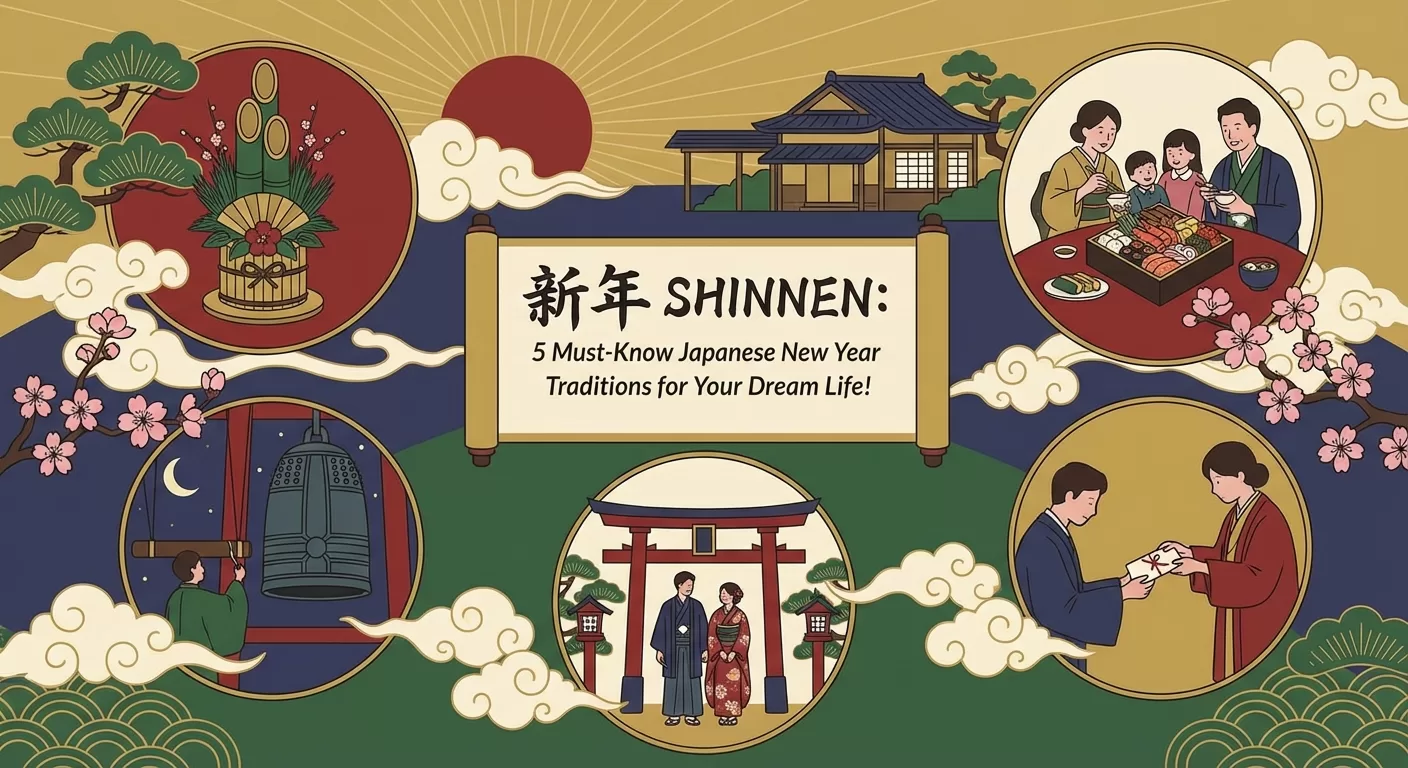
5 Must-Know Japanese New Year Traditions for Your Dream Life!
Akemashite Omedetou Gozaimasu! (Happy New Year!) As we step into a brand new year, many of you are likely dreaming of the day you will finally start your life in Japan. New Year, or “Oshougatsu” (お正月), is the most significant holiday in Japanese culture. It is a time for family, reflection, and setting intentions for the months ahead. For Filipinos planning to move to Japan, understanding these traditions is not just about learning facts—it is about preparing your heart and mind to integrate into a society that deeply values its heritage. In this guide, I will walk you through five essential traditions that will make you feel like a local from day one!
明けましておめでとうございます!新しい年が始まり、皆さんの多くは日本での生活をスタートさせる日を夢見ていることでしょう。日本において、新年(お正月)は最も重要な行事です。家族が集まり、自分を見つめ直し、これからの数ヶ月の目標を立てる大切な時間です。日本での生活を目指すフィリピンの皆さんにとって、これらの伝統を理解することは、単に知識を得るだけではありません。日本の文化を大切にする心を持ち、社会に溶け込むための準備でもあります。このガイドでは、皆さんが日本で初日から地元の人と同じように過ごせるよう、5つの重要な伝統をご紹介します。
💡 Teacher’s Insight:
In the Philippines, New Year is often celebrated with loud fireworks and parties. In contrast, Japanese “Oshougatsu” is much more quiet and solemn. It is a time for “peace” rather than “noise.” Understanding this difference in atmosphere will help you adjust quickly to Japanese society!
フィリピンの新年は、花火やパーティーでとても賑やかにお祝いされますよね。対照的に、日本の「お正月」はとても静かで厳かな雰囲気です。「騒がしさ」よりも「静寂」を大切にする時間です。この雰囲気の違いを理解しておくことは、日本の社会に早く馴染むための大きな助けになりますよ!
1. Hatsumode: The First Spiritual Step of the Year 🇯🇵
The first tradition you must experience is “Hatsumode” (初詣). This is the first visit of the year to a Shinto shrine or Buddhist temple. Millions of people flock to famous sites like Meiji Jingu in Tokyo to pray for health, safety, and success in the coming year. When you live in Japan, joining your colleagues or friends for Hatsumode is a wonderful way to bond. You will see people buying “Omikuji” (おみくじ), which are small slips of paper that tell your fortune. If you get a “Daikichi” (Great Blessing), it’s going to be a fantastic year!
まず最初に体験してほしい伝統は「初詣(はつもうで)」です。これは、その年で初めて神社やお寺に参拝することを指します。東京の明治神宮のような有名な場所には、一年の健康や安全、成功を祈るために何百万人もの人が訪れます。日本で生活を始めたら、同僚や友人と一緒に初詣に行くことは、素晴らしい交流の機会になるでしょう。また、運勢が書かれた「おみくじ」を引くのも楽しみの一つです。「大吉」が出たら、その一年は最高なものになりますよ!
⚠️ Etiquette Tip:
When visiting a shrine, remember the “Two Bows, Two Claps, One Bow” rule. Bow twice, clap your hands twice to greet the deity, pray silently, and then bow once more. Respecting these small rituals shows your appreciation for Japanese culture.
神社を訪れる際は、「二礼二拍手一礼」のルールを忘れないでください。二回お辞儀をし、神様に挨拶するために二回拍手をし、心の中で祈り、最後にもう一度お辞儀をします。こうした小さな作法を尊重することは、日本の文化への敬意を示すことにつながります。
Essential Hatsumode Vocabulary
| Japanese (Romaji) | Meaning | Note |
|---|---|---|
| Jinja (神社) | Shinto Shrine | Look for the Torii gate! |
| Otera (お寺) | Buddhist Temple | Often has a large bell. |
| Omamori (お守り) | Amulet / Charm | For protection or luck. |
2. Osechi Ryori: The Art of Symbolic Eating 🍱
In the Philippines, we have “Noche Buena” with lechon and spaghetti. In Japan, the New Year feast is called “Osechi Ryori” (おせち料理). These are beautifully arranged boxes (jubako) filled with various foods, each holding a special meaning. For example, “Kuromame” (black beans) represent a wish to work hard and live healthily (“mame” means diligent in Japanese). “Kazunoko” (herring roe) symbolizes a wish for many children and a thriving family. Eating Osechi is like eating a plate full of prayers for the future.
フィリピンにはレチョンやスパゲッティを食べる「ノチェ・ブエナ」がありますが、日本の新年のご馳走は「おせち料理」と呼ばれます。これは「重箱」という美しい箱に詰められた料理で、一つ一つの食材に特別な意味が込められています。例えば、「黒豆」には、まめに(勤勉に)働き、健康に暮らせるようにという願いが込められています。「数の子」は、子宝に恵まれ、家族が繁栄することの象徴です。おせちを食べることは、将来への願いが詰まった一皿をいただくようなものです。
As a student of Japanese, pay attention to the names of the food! Japanese people love puns and wordplay (called “Goroawase”). Learning why “Tai” (Sea Bream) is eaten (from the word “Medetai” meaning celebratory) is a fun way to expand your vocabulary and cultural knowledge at the same time. When you move to Japan, trying Osechi for the first time will be a memory you’ll never forget!
日本語を勉強している皆さんは、ぜひ料理の名前にも注目してみてください!日本人は「語呂合わせ」という言葉遊びが大好きです。なぜ「タイ(鯛)」を食べるのか(「めでたい」という言葉から来ています)を知ることは、語彙を増やし、文化的な知識を深める楽しい方法です。日本に移住して初めておせちを食べる体験は、きっと忘れられない思い出になるはずですよ。
3. Otoshidama: The Joy of Giving 💰
One tradition that children look forward to the most is “Otoshidama” (お年玉). Adult family members give money to children in small, decorated envelopes called “Pochi-bukuro.” While you might not be receiving any as an adult, understanding this custom is vital. If you are invited to a Japanese friend’s house during New Year and they have children, bringing a small gift or even asking about this tradition shows that you are thoughtful and culturally aware.
子供たちが最も楽しみにしている伝統の一つが「お年玉」です。大人が親戚の子供たちに、「ポチ袋」という小さくて可愛い封筒にお金を入れて渡します。大人の皆さんはもらう側ではないかもしれませんが、この習慣を知っておくことは非常に重要です。もしお正月に日本人の友人の家に招かれ、そこに子供がいた場合、ちょっとしたプレゼントを用意したり、この習慣について尋ねたりすることは、あなたが気遣いのできる、文化を理解している人だという証になります。
💡 Language Note:
When giving or receiving anything in Japan, always use two hands. It is a sign of respect and sincerity. Using 「どうぞ」(Douzo) when giving and 「ありがとうございます」(Arigatou gozaimasu) when receiving is essential!
日本で何かを渡したり受け取ったりする時は、必ず「両手」を使いましょう。これは尊敬と誠実さの表れです。渡す時の「どうぞ」と、受け取る時の「ありがとうございます」は、欠かせないフレーズです!
4. Nengajo: The Power of the Written Word 📮
Even in the digital age, the tradition of sending “Nengajo” (年賀状), or New Year’s postcards, remains very strong in Japan. These cards are sent to friends, colleagues, and teachers to express gratitude for the past year and best wishes for the new one. For a Japanese language student, writing a Nengajo is the perfect practice! It teaches you formal greetings and the importance of maintaining relationships (called “Kizuna”).
デジタル時代になっても、日本には「年賀状」を送る習慣が根強く残っています。友人や同僚、先生に向けて、旧年中の感謝と新年の挨拶を伝えるために送ります。日本語学習者の皆さんにとって、年賀状を書くことは最高の練習になります!フォーマルな挨拶の仕方を学べるだけでなく、人間関係(絆)を大切にするという日本の精神を学ぶことができます。
There is a specific deadline to ensure the post office delivers them exactly on January 1st. This strict adherence to timing reflects the Japanese value of punctuality and reliability. When you are in Japan, sending a simple Nengajo to your boss or neighbors will surely leave a lasting, positive impression of your character.
1月1日に確実に届くように、郵便局には特定の締め切り日があります。この時間を厳守する姿勢は、日本人が大切にする「時間厳守」と「信頼性」を反映しています。日本に住んだら、上司や近所の人に簡単な年賀状を送ってみてください。きっとあなたの素晴らしい人柄が伝わり、良い印象を与えることができますよ。
5. Toshikoshi Soba: Slurping Your Way to Longevity 🍜
On New Year’s Eve (Omisoka), Japanese people eat “Toshikoshi Soba” (年越しそば). These long buckwheat noodles represent a wish for a long and healthy life. Because soba noodles are easy to bite through, they also symbolize “cutting off” the hardships and bad luck of the past year so you can start fresh. It’s a simple yet deep tradition that brings everyone together before the temple bells (Joya no Kane) ring 108 times at midnight.
大晦日(おおみそか)には、多くの日本人が「年越しそば」を食べます。細く長いそばは、長寿と健康への願いを象徴しています。また、そばは切れやすいため、一年の苦労や災厄を「断ち切って」新しい年を迎えるという意味も込められています。深夜に「除夜の鐘」が108回響く前に家族でそばを食べる、シンプルながらも深い意味を持つ伝統です。
⚠️ Culture Shock Alert:
In Japan, it is perfectly okay to slurp your noodles! In fact, it’s often seen as a sign that the food is delicious. While this might feel strange for Filipinos at first, give it a try when you have your first bowl of Toshikoshi Soba in Japan!
日本では、麺を「すする」音を立てて食べても大丈夫です!むしろ、美味しく食べている証拠として捉えられることもあります。フィリピンの皆さんには最初は違和感があるかもしれませんが、日本で初めて年越しそばを食べる時は、ぜひ挑戦してみてください!
New Year Greetings Comparison
| Phrase | When to use | Meaning |
|---|---|---|
| Yoi otoshi wo (よいお年を) | Before Jan 1st | Have a good New Year! |
| Akemashite Omedetou (あけましておめでとう) | On/After Jan 1st | Happy New Year! |
| Kotoshi mo yoroshiku (今年もよろしく) | On/After Jan 1st | I look forward to working with you this year too. |
The Path to Your Dream Life in Japan starts now! 🚀
Learning these traditions is more than just academic study; it’s about preparing yourself to become part of a community. When you eventually move to Japan, showing that you know about Osechi or the proper way to pray at a shrine will open doors and hearts. It proves that you are not just a visitor, but someone who respects and loves the culture. Every word you learn today is a brick in the bridge leading to your future life in Japan. Stay motivated, keep practicing, and don’t be afraid to dive deep into the beautiful customs of the Land of the Rising Sun!
これらの伝統を学ぶことは、単なる勉強以上の意味があります。それは、あなたが新しいコミュニティの一員になるための準備です。日本へ行った際、おせち料理の意味を知っていたり、神社での正しい参拝方法を知っていたりすることは、多くの人の心を開くきっかけになります。あなたがただの訪問者ではなく、文化を尊重し愛していることが伝わるからです。今日学ぶすべての言葉は、日本での未来へと続く橋の一部です。モチベーションを高く持ち、練習を続け、日出ずる国の美しい習慣にどんどん触れていってください!
Your dream is within reach. We are here to support you every step of the way, from mastering the basics of the Japanese language to understanding the subtle nuances of daily life. Let’s make this year the one where your hard work finally pays off. Ganbatte kudasai!
皆さんの夢はすぐそこにあります。日本語の基礎から、日常生活の細かなニュアンスまで、私たちはあらゆるステップで皆さんをサポートします。今年を、皆さんの努力が実を結ぶ素晴らしい一年にしましょう。頑張ってください!
🚀 Start Your Journey to Japan!
Ready to learn Japanese? Apply for our programs now!
Contact & Follow Us
お問い合わせ
📞 電話: +63 997 093 4550
📧 メール: samuraijapan.bc@gmail.com
🏠 住所: Room D3, Freb Bldg, Villa Donata Subd, Muntinlupa
🏢 会社名: SAMURAI Japan Business Center Inc.
SNSでフォロー
🎵 Tiktok: @samuraijapan0221
📸 Instagram: @samuraijapan.bc
▶️ Youtube: @SamuraiJapan-bc
📘 Facebook: Visit our Page
