

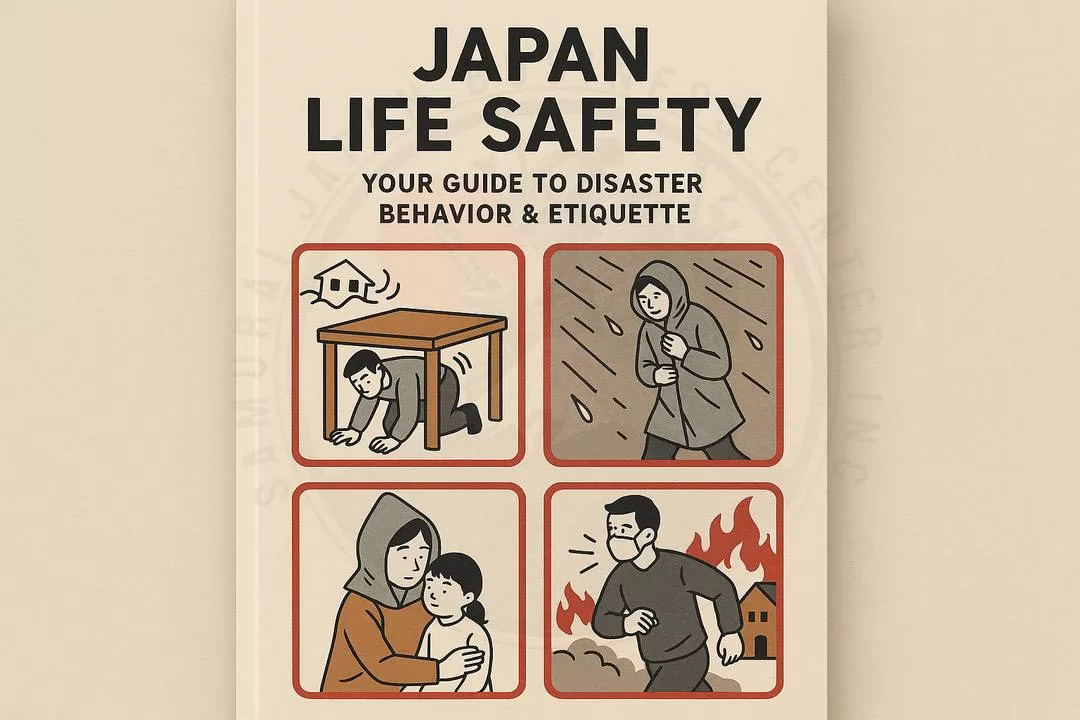
Japan Life Safety: Your Guide to Disaster Behavior & Etiquette 🇯🇵✨
Kon’nichiwa, future residents of Japan! 👋 Are you dreaming of experiencing Japan’s vibrant culture, delicious food, and efficient way of life? That’s wonderful! As your language teacher, I’m here to help you not just with Japanese phrases, but also with practical knowledge that will make your life in Japan safe and secure. One of the most crucial topics for anyone planning to live in Japan is disaster preparedness. Japan is a beautiful country, but it’s also prone to natural disasters. Don’t let this worry you, though! With the right knowledge and preparation, you can navigate any situation with confidence and peace of mind. Let’s learn how to stay safe, together!
Why Disaster Preparedness is Key in Japan 🇯🇵
Japan is famously known for its stunning four seasons, rich history, and polite society. However, due to its geographical location on the “Ring of Fire,” it also experiences frequent seismic activity and extreme weather events. Earthquakes, typhoons, and tsunamis are part of life here. Instead of fearing them, the Japanese people have developed a remarkable culture of preparedness and resilience. This means that with proper understanding and adherence to local guidelines, you can live safely and confidently. As a Filipino, you might be familiar with typhoons, but earthquakes and tsunamis might be new. Learning the specific protocols in Japan will be incredibly valuable!
Understanding Japan’s Natural Challenges: Types of Disasters You Might Encounter 🌊🔥
Knowing what types of disasters are common in Japan is the first step in preparing for them. While no one wishes for a disaster, being informed helps you react appropriately.
| Disaster Type (English) | Japanese Term | What to Expect |
|---|---|---|
| Earthquake | 地震 (Jishin) | Sudden ground shaking. Can range from minor tremors to strong, destructive quakes. Often followed by aftershocks. |
| Typhoon / Storm | 台風 (Taifū) | Strong winds, heavy rain, flooding, and landslides. Common during summer and autumn. |
| Tsunami | 津波 (Tsunami) | Giant sea waves caused by underwater earthquakes. Can be extremely destructive to coastal areas. |
| Heavy Snow | 大雪 (Ōyuki) | Significant snowfall, especially in northern Japan and mountainous regions. Can disrupt transportation and services. |
| Volcanic Eruption | 火山噴火 (Kazan Funka) | Less frequent but possible. Ashfall and lava flows can impact nearby areas. |
Your Proactive Steps: Essential Preparations Before a Disaster Strikes 🎒💡
Preparation is key! Think of it like studying for an exam – the more you prepare, the better your chances of success. Here’s what you should do:
💡 Teacher’s Tip: Creating a Family Emergency Plan
Even if you’re living alone, consider those you might want to contact (family/friends in the Philippines or other expats in Japan). Decide on a contact person outside the affected area who everyone can check in with. This helps if local communication lines are down. Practice a rendezvous point if you live with others.
-
Emergency Preparedness Kit (防災バッグ – Bōsai Baggu)
This is your go-bag, packed with essentials to help you survive for at least 3 days. Keep it in an easily accessible place.
Category Items to Include Essentials Water (3L/person/day), non-perishable food, flashlight, battery-powered radio, extra batteries, portable charger. First Aid & Hygiene First-aid kit, personal medications, hygiene items (sanitizer, wipes, masks), whistle. Comfort & Safety Blanket, change of clothes, sturdy shoes, helmet/hood (for head protection), work gloves. Documents & Cash Copies of passport, visa, residence card; emergency contact list; small amount of cash (coins for public phones). -
Know Your Evacuation Centers (避難所 – Hinanjo) & Hazard Maps (ハザードマップ – Hazard Map)
Your local city or ward office will have these. Hazard maps show areas prone to specific disasters and mark evacuation routes and centers. Familiarize yourself with them immediately after moving in.
💡 Teacher’s Tip:
Many city halls now offer hazard maps and information in multiple languages. Don’t hesitate to ask for the English version if available, or use translation apps to understand the Japanese one.
-
Stay Informed: Emergency Information Sources
Japan has sophisticated warning systems. Make sure you can receive these alerts:
- J-Alert (Jアラート): This is a nationwide instant warning system that broadcasts alerts via TV, radio, and mobile phones (SMS). Ensure your phone settings allow emergency alerts.
- Emergency Apps:
- “Safety tips” app: A multi-lingual app provided by the Japan Tourism Agency that delivers push notifications for earthquake early warnings, tsunami warnings, and other weather advisories. It also has communication cards and a list of emergency contacts.
- Yurekuru Call (ゆれくるコール): A popular earthquake early warning app (mostly in Japanese) that alerts you seconds before seismic waves arrive.
- Public Announcements & NHK: During a disaster, listen to public announcements and tune into NHK (Japan Broadcasting Corporation) radio or TV for reliable updates.
Navigating the Storm: What to Do DURING a Disaster 🚨
When a disaster strikes, your immediate actions are crucial. Remember to stay calm and follow these guidelines:
⚠️ Common Mistake Alert: Panic vs. Calm
It’s natural to feel scared. However, panic can lead to dangerous decisions. Japanese disaster drills emphasize calmness and orderly movement. Take a deep breath, assess the situation, and then act according to the protocols you’ve learned. Remember, everyone around you will likely be trying to stay calm too.
-
During an Earthquake (地震 – Jishin):
Follow the “Drop, Cover, Hold On” method:
- DROP to the floor.
- COVER your head and neck with your arms, and get under a sturdy table or desk.
- HOLD ON to the furniture until the shaking stops.
If you’re outdoors, move to an open area away from buildings, power lines, and trees. If you’re near the coast and feel a strong earthquake or a long one, assume a tsunami warning might be issued and evacuate immediately to higher ground.
-
During a Typhoon (台風 – Taifū):
Stay indoors and away from windows. Secure any outdoor items that could blow away. Avoid going outside unless absolutely necessary, especially during peak winds and rain. Monitor news for updates on flood warnings or evacuation orders.
-
During a Tsunami (津波 – Tsunami):
If you feel a strong or prolonged earthquake near the coast, or if you hear a tsunami warning, EVACUATE IMMEDIATELY TO THE HIGHEST GROUND POSSIBLE, as far inland as you can. Do not wait for official instructions if you feel the ground shaking significantly near the ocean. Even a small wave can quickly become a deadly surge.
-
During a Fire (火事 – Kaji):
If it’s a small fire and safe to do so, use a fire extinguisher. If not, evacuate immediately. Shout “Kaji da!” (火事だ! – Fire!) to alert others. Follow evacuation routes and avoid elevators.
Rebuilding & Recovering: Actions AFTER a Disaster 🤝
Once the immediate danger has passed, focus on recovery and supporting your community:
-
Follow Official Instructions:
Always prioritize information and instructions from local authorities, police, and emergency services. They will guide you on safe areas, aid distribution, and next steps.
-
Check on Neighbors (近所の人と協力 – Kinjo no hito to kyōryoku):
If it’s safe, check on your neighbors, especially the elderly or those with disabilities. The Japanese spirit of mutual aid (助け合い – Tasukeai) is very strong during emergencies.
-
Gather Information:
Use your radio or phone (if working) to get updates. Be wary of rumors or unofficial information. Reliable sources are NHK and official government announcements.
-
Be Resourceful:
Conserve your emergency supplies. If you need assistance, head to the nearest designated evacuation center. They are equipped to provide shelter, food, and basic necessities.
Language is Your Lifeline: Essential Japanese Phrases for Emergencies 🗣️🆘
In an emergency, every second counts. Knowing a few key Japanese phrases can make a huge difference. Don’t worry about perfect pronunciation; just try your best!
| English Phrase | Japanese Phrase (Romaji) | Meaning/Usage |
|---|---|---|
| Help! | 助けてください! (Tasukete kudasai!) | Urgent call for help. |
| Are you okay? | 大丈夫ですか? (Daijōbu desu ka?) | To check on someone’s well-being. |
| I’m okay. / I’m fine. | 大丈夫です。 (Daijōbu desu.) | Response indicating you are safe. |
| Where is the evacuation center? | 避難所はどこですか? (Hinanjo wa doko desu ka?) | Asking for directions to a safe shelter. |
| Fire! | 火事だ! (Kaji da!) | To alert others about a fire. |
| Earthquake! | 地震だ! (Jishin da!) | To alert others about an earthquake. |
| Water / Food / Medicine is needed. | 水 / 食べ物 / 薬が必要です。(Mizu / Tabemono / Kusuri ga hitsuyō desu.) | To ask for essential supplies. |
| Please wait. | 待ってください。(Matte kudasai.) | To ask someone to hold on or stop. |
Beyond Actions: The Etiquette of Emergency in Japan 🙏
Japanese society places a high value on order, harmony, and consideration for others. This becomes even more apparent during emergencies.
Cultural Insight: The Spirit of 「がんばろう」(Ganbarou)
You’ll often hear 「がんばろう」(Ganbarou), meaning “Let’s do our best!” or “Hang in there!”. This phrase embodies the Japanese spirit of perseverance and mutual encouragement in challenging times. It’s a powerful sentiment of collective effort and resilience.
-
Maintain Calmness (冷静さ – Reiseisa):
Even in chaos, the Japanese strive for composure. Avoid shouting or panicking, as it can escalate the situation and impede orderly evacuation or response.
-
Follow Instructions Meticulously:
When authorities issue instructions or evacuation orders, follow them without hesitation. There’s a reason for every rule, especially in emergencies.
-
Be Considerate & Patient:
Queues for supplies or assistance will form. Be patient and considerate of others, especially the elderly, children, and those with disabilities. Avoid hoarding supplies; take only what you need.
-
Assist Others (助け合い – Tasukeai):
The concept of mutual assistance is fundamental. If you see someone struggling, offer help if you can do so safely. This community spirit makes a huge difference in recovery efforts.
-
Conserve Resources:
Electricity, water, and gas might be cut off. Conserve what you have and use resources wisely. Public phones might be available, but keep calls short.
Bridging the Gap: Resources for Foreign Residents 🌐
Japanese authorities are increasingly aware of the need to provide multilingual support during disasters. Here are some key resources:
-
Local Government Offices (市役所 – Shiyakusho / 区役所 – Kuyakusho):
Your local city or ward office is your primary resource for localized hazard maps, evacuation drills, and disaster preparedness guides. Many have dedicated foreign resident support desks.
-
JNTO’s Safety Tips for Travelers:
Even if you’re a resident, the Japan National Tourism Organization provides comprehensive safety information. Their website often has up-to-date links and resources: JNTO Emergency Preparedness.
-
Multilingual Call Centers:
Some prefectures and cities offer multilingual emergency call centers or hotlines, especially during major disasters. Keep a note of these numbers.
-
International Exchange Associations:
These organizations often host disaster preparedness seminars for foreign residents. They are great places to connect with other expats and learn practical tips.
Your journey to Japan is an exciting one, full of new experiences and opportunities. While the thought of natural disasters can be daunting, remember that Japan is one of the most well-prepared countries in the world. By taking the time to understand the risks, prepare your emergency kit, learn essential phrases, and embrace the local etiquette of resilience and mutual aid, you are not just learning to survive, but learning to thrive in Japan. We believe in you, future Japan residents! Stay informed, stay prepared, and let your Japanese life be safe and fulfilling! がんばってね!(Ganbatte ne!) 🎉🇵🇭
Contact & Follow Us
お問い合わせ
📞 電話: +63 997 093 4550
📧 メール: samuraijapan.bc@gmail.com
🏠 住所: Room D3, Freb Bldg, Villa Donata Subd, Muntinlupa
🏢 会社名: SAMURAI Japan Business Center Inc.
SNSでフォロー
🎵 Tiktok: @samuraijapan0221
📸 Instagram: @samuraijapan.bc
▶️ Youtube: @SamuraiJapan-bc
📘 Facebook: Visit our Page

Leave a Reply