
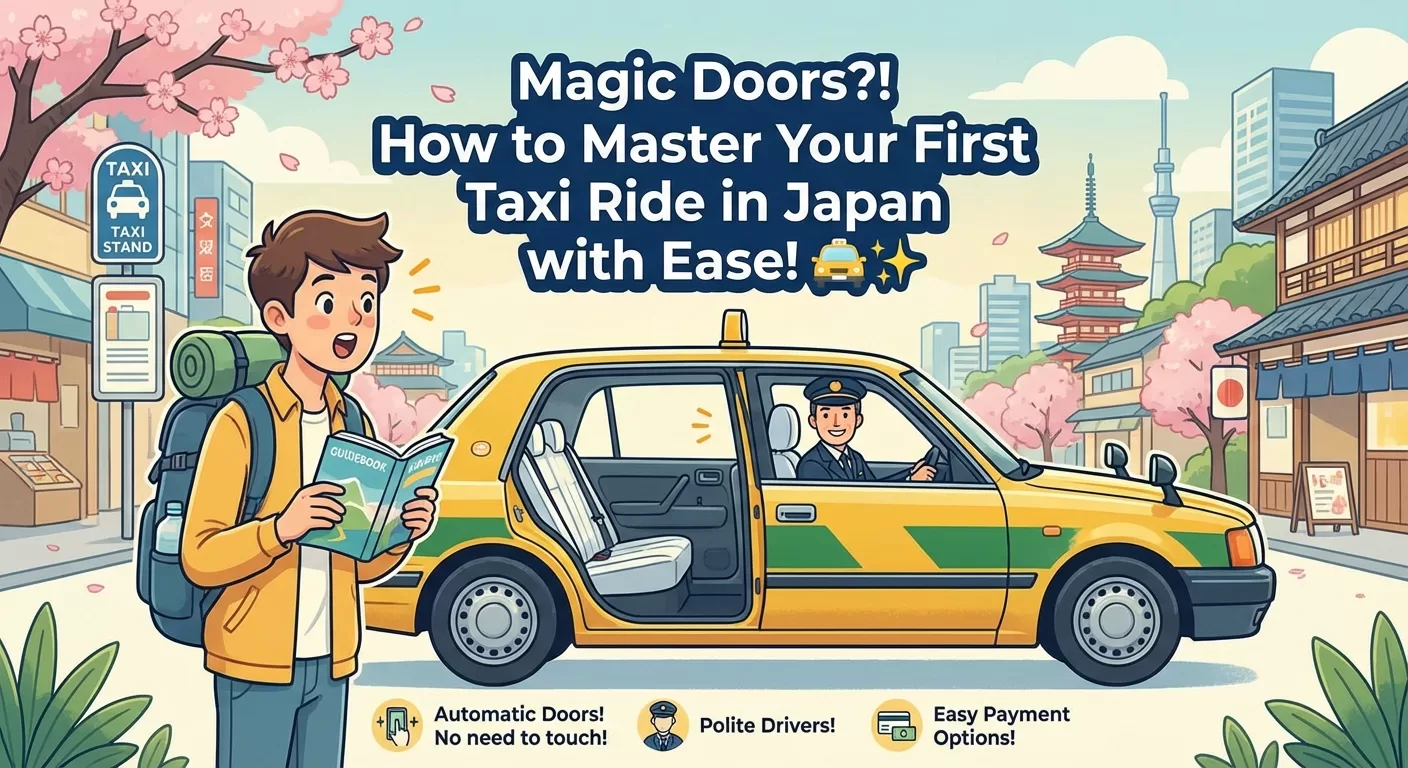
Magic Doors?! How to Master Your First Taxi Ride in Japan with Ease! 🚖✨
📋 Executive Summary / エグゼクティブサマリー
English: Japanese taxis offer a world-class experience with automatic doors, spotless interiors, and professional drivers who value safety and punctuality. This guide teaches Filipino learners how to hail a taxi, the key phrases for the ride, the truth about tipping, and the etiquette that makes every journey smooth. Master these basics and your first taxi ride becomes a confident, comfortable step toward life in Japan.
日本語:日本のタクシーは、自動ドア、清潔な車内、そして安全と時間を重んじるプロの運転手による、世界最高水準のサービスを提供しています。このガイドでは、フィリピン人学習者のために、タクシーの拾い方、乗車中の重要フレーズ、チップの真実、そしてすべての移動をスムーズにするマナーを解説します。基本を身につければ、初めてのタクシー体験が、日本での生活へ向けた自信ある一歩になります。
Hello everyone! This is your instructor from SAMURAI Japan Business Center. Are you dreaming of working or studying in Japan someday? One of the first conveniences you will meet is the Japanese taxi—and it comes with more surprises than you might expect! From doors that open by themselves to drivers in white gloves, the taxi culture here is a wonderful window into Japan’s spirit of omotenashi (hospitality).
皆さん、こんにちは!SAMURAI Japan Business Centerの講師です。将来、日本で働いたり勉強したりすることを夢見ていますか?最初に出会う便利なものの一つが、日本のタクシーです。そして、あなたが想像する以上に驚きがたくさんあります!自動で開くドアから白い手袋をした運転手まで、このタクシー文化は日本の「おもてなし」の心を映す素晴らしい窓なのです。
Today, let us learn how to ride a Japanese taxi with confidence and grace—step by step, with the exact phrases you’ll need.
今日は、日本のタクシーに自信と品格を持って乗る方法を、必要なフレーズとともに一歩ずつ学んでいきましょう。
1. Hailing a Taxi: Reading the Signs / タクシーの呼び方:サインの読み取り方
In Japan, you can find taxis at designated taxi stands near train stations, or simply raise your hand on the street. But how do you know if a taxi is available? Look at the electronic sign in the front windshield. This is where a little kanji knowledge saves you time and frustration.
日本では、駅の近くの「タクシー乗り場」で見つけられるほか、路上で手を挙げて止めることもできます。でも、空車かどうかはどうやって見分けるのでしょうか?フロントガラスにある電子掲示板を見てください。ここで漢字の知識が、時間とストレスを節約してくれます。
| Kanji | Reading (Romaji) | Meaning |
|---|---|---|
| 空車 | Kuusha | Vacant — available! |
| 賃走 | Chinsou | Occupied (meter running) |
| 支払 | Shiharai | Passenger paying |
| 回送 | Kaisou | Out of service |
Once you spot the red 空車 (Kuusha) sign, simply raise your hand clearly. The driver will pull over with a bow—literally greeting you as a guest.
赤い「空車」のサインを見つけたら、はっきりと手を挙げましょう。運転手さんはお辞儀をしながら、まるでゲストを迎えるかのように停まってくれます。
2. The Magic Automatic Door: Hands Off! / 魔法の自動ドア:触らないで! 🪄
Here is the moment that surprises almost every visitor. In Japan, you should never open or close the taxi door yourself! The rear left door is fully automatic and operated by the driver through a lever beside the steering wheel. It will swing open when you approach and close on its own once you are safely inside.
ここが、ほとんどの訪問者を驚かせる瞬間です。日本では、タクシーのドアを自分で開け閉めしてはいけません!後部左側のドアは完全に自動式で、運転手さんがハンドルの横のレバーで操作します。あなたが近づくと開き、安全に乗ったら自動で閉まります。
If you try to pull the door manually, you might fight against the mechanism and damage it. So stand a small step back, let the “magic” happen, and enjoy the feeling of being welcomed like royalty.
無理に手で引っ張ると、機械とぶつかって故障の原因になります。少し下がってドアが自然に開くのを待ち、まるで王族のように迎えられる感覚を楽しんでください。
🎯 Pro-Tip / ワンポイントアドバイス
Always enter and exit from the left side (curb side). Japanese roads are left-hand traffic, so the left door opens safely onto the sidewalk. The driver will not open the right door for safety reasons.
必ず左側(歩道側)から乗り降りしましょう。日本は左側通行なので、左のドアが安全に歩道側に開きます。安全上の理由から、運転手さんは右のドアは開けません。
3. Essential Phrases Inside the Taxi / 車内で使える必須フレーズ
Once seated, it is time to put your Japanese into practice. Most drivers are patient and kind, and they will appreciate even a short phrase delivered with a smile. Here are the phrases you will use most often.
席に着いたら、日本語を実践する時です。ほとんどの運転手さんは忍耐強く親切で、笑顔で短いフレーズを言うだけでも喜んでくれます。最もよく使うフレーズを紹介します。
| English | Japanese Phrase | Romaji |
|---|---|---|
| To [place], please. | [場所] までお願いします。 | [Place] made onegaishimasu. |
| Please go to this address. | この住所までお願いします。 | Kono juusho made onegaishimasu. |
| How much is it? | いくらですか? | Ikura desu ka? |
| Can I pay by card? | カードで払えますか? | Kaado de haraemasu ka? |
Showing your destination on Google Maps or a written note is a smart backup that prevents misunderstandings. If you are still building your kanji reading skills, this habit also helps you connect written characters to real places.
Googleマップやメモで行き先を見せるのは、誤解を防ぐ賢い方法です。まだ漢字の読み方を練習中の方にも、書かれた文字と実際の場所を結びつける良い習慣になります。
💡 先生のポイント (Teacher’s Tip):
If you are unsure of pronunciation, open your phrase with すみません (Sumimasen) to politely get the driver’s attention. This versatile word can mean “excuse me,” “sorry,” and even humble thanks—so keep it ready at all times. Learn more in our full guide on mastering the versatile word Sumimasen.
4. Paying the Fare: No Tipping Culture / 運賃の支払い:チップの習慣はありません
Here is something every Filipino should know before visiting Japan: tipping is not part of the culture. You pay exactly the amount shown on the meter. If you leave extra money, the driver may chase after you to return it, thinking you simply forgot your change!
日本を訪れるすべてのフィリピン人が知っておくべきこと:日本にはチップの習慣がありません。メーターに表示された金額だけを支払います。余分なお金を置いていくと、運転手さんは「お釣りを忘れた」と思って追いかけてくることもありますよ!
Modern taxis increasingly accept credit cards, IC cards like Suica and Pasmo, and QR payment apps such as PayPay. However, smaller local taxi companies may still be cash-only, so keeping a few thousand yen in your wallet is always wise.
最近のタクシーはクレジットカード、SuicaやPasmoなどのICカード、そしてPayPayのようなQRコード決済に対応する場合が増えています。ただし、小さな地元のタクシー会社では現金のみの場合もあります。財布に数千円を入れておくと安心です。
When you pay with cash, place the money on the small tray near the driver rather than handing it directly. This is standard Japanese etiquette and keeps the exchange clean and courteous.
現金で支払うときは、直接手渡しするのではなく、運転手さんの近くにある小さなトレーにお金を置きましょう。これは日本の標準的なマナーで、やり取りを清潔で丁寧に保ちます。
5. The SAMURAI Japan Business Center Methodology / サムライジャパンの指導メソッド
At SAMURAI Japan Business Center, we believe that fluency is built on real situations, not just textbook drills. That is why our curriculum includes role-play exercises for everyday scenarios like this one—hailing a taxi, giving directions, handling payment, and thanking the driver politely in Japanese.
SAMURAI Japan Business Centerでは、流暢さは単なる教科書の練習ではなく、実際の場面の積み重ねで築かれると考えています。そのため、カリキュラムにはタクシーを拾う、道順を伝える、支払いを行う、丁寧に運転手へ感謝を伝えるといった日常場面のロールプレイが含まれています。
Our focus is not only on grammar, but on business manners and cultural fluency. Students learn the appropriate tone, the small bow, and the polite phrase that turns a simple ride into a demonstration of respect. This holistic training prepares our learners to interact confidently in professional and personal settings across Japan.
私たちが重視するのは文法だけではなく、ビジネスマナーと文化的な流暢さです。学生は適切な口調、軽いお辞儀、そして単なる移動を敬意の表現に変える丁寧なフレーズを学びます。この総合的なトレーニングが、日本中のあらゆる場面で自信を持って行動できる人材を育てます。
For learners who want to strengthen their kanji recognition before visiting Japan, our practical guides such as those on reading signs and forms are an excellent companion to classroom practice.
日本を訪れる前に漢字の認識力を高めたい方には、看板や書類の読み方に関する実践的なガイドが、教室での学習を補完する優れた教材になります。
Frequently Asked Questions / よくある質問 (FAQ)
Q1: Are taxis in Japan expensive? / 日本でタクシーは高いですか?
English: Taxi fares in Japan are generally higher than in the Philippines. The initial fare usually starts around 400–500 yen, and the meter increases based on distance and time. As a result, taxis are best for short trips, late-night travel when trains have stopped, or when carrying heavy luggage. For daily commuting, trains and buses are far more economical.
日本語:日本のタクシー料金はフィリピンよりも一般的に高いです。初乗りは通常400〜500円程度から始まり、距離と時間に応じてメーターが上がります。そのため、タクシーは短距離移動、電車が止まった後の深夜、または重い荷物がある時に最適です。日常の通勤には電車やバスの方がずっと経済的です。
Q2: Should I tip the driver? / 運転手にチップを渡すべきですか?
English: No. Tipping is not practiced in Japan and can actually create confusion. If you leave extra money behind, the driver will probably run after you to return it, believing you forgot your change. The best way to express gratitude is a clear “Arigatou gozaimashita” with a polite bow as you exit.
日本語:いいえ。日本ではチップの習慣はなく、かえって混乱を招くことがあります。余分なお金を置いていくと、運転手さんは「お釣りを忘れた」と思って、わざわざ追いかけて返してくれるでしょう。感謝を伝える最善の方法は、降りるときに「ありがとうございました」と丁寧にお辞儀をすることです。
Q3: Do I need to close the taxi door myself? / タクシーのドアは自分で閉める必要がありますか?
English: Absolutely not! The rear left door is automatic and controlled by the driver. Simply step out of the vehicle and walk a small distance away—the door will close by itself. Never force it, as you could damage the delicate mechanism.
日本語:まったく必要ありません!後部左側のドアは自動式で、運転手さんが操作します。車を降りて少し離れるだけで、ドアは自然に閉まります。無理に閉めようとすると、繊細な機械を壊してしまう恐れがあります。
Conclusion: Your Dream Journey Starts Here / まとめ:夢の旅はここから始まる
Riding a taxi in a foreign country can feel intimidating at first, but Japan’s taxi service is among the safest, cleanest, and most professional in the world. Every ride is a small opportunity to practice your Japanese, observe the culture of omotenashi, and grow more comfortable with your new life in Japan.
外国でタクシーに乗るのは最初は緊張するものですが、日本のタクシーサービスは世界でもトップクラスに安全で清潔、そしてプロフェッショナルです。一度乗るごとに、日本語を練習し、おもてなしの文化を観察し、日本での新しい生活に慣れる小さなチャンスとなります。
At SAMURAI Japan Business Center, we are here to guide you through every step of your language and cultural journey—from the first kanji to the first taxi ride and beyond. Let us keep learning and practicing together, one confident moment at a time.
SAMURAI Japan Business Centerは、最初の漢字から最初のタクシー体験まで、言語と文化の旅のあらゆる一歩を全力でサポートします。これからも、自信ある瞬間を一つずつ積み重ねながら、一緒に学び、練習を続けていきましょう。
🇯🇵 日本語で新しい可能性を広げよう! ✨
SAMURAI Japan Business Centerは、あなたの日本語学習を全力でサポートします。
🚀 Start Your Learning Journey Today!
Ready to learn Japanese? Apply for our programs now!
🏫 お問い合わせ (Contact Us)
📞 Phone: +63 997 093 4550
📧 Email: samuraijapan.bc@gmail.com
🏢 Address: Room D3, Freb Bldg, Villa Donata Subd, Muntinlupa
📱 SNSで楽しく学ぼう!
Related posts:
 Your Japan Dream is Calling! 5 Simple Secrets to Start Learning Japanese Today 🇯🇵✨
 Be a Workplace Superstar! Easy Japanese Greetings and Manners to Help You Shine 🇯🇵
 Start Your Dream Life in Japan! 5 Must-Have 100-Yen Shop Finds for Your New Home 🇯🇵
 Shine at Your Dream Workplace! 5 Simple Japanese Greetings to Make a Great Impression 🇯🇵
 Master the Konbini! Easy Tips and Phrases for Your Dream Life in Japan 🏪
 Master Japan’s Trains Like a Pro! Easy Tips and Phrases for Your Big Dream 🇯🇵
