
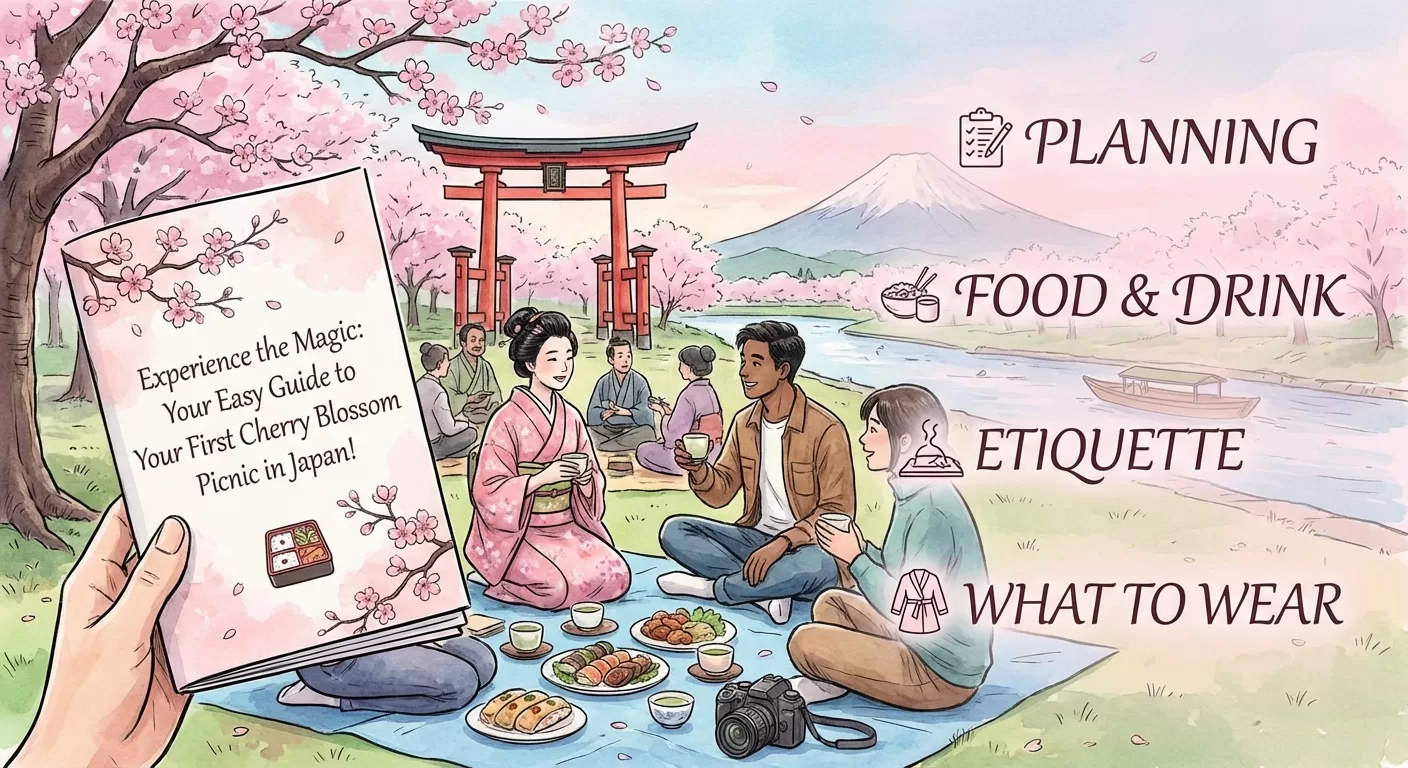
Experience the Magic: Your Easy Guide to Your First Cherry Blossom Picnic in Japan! 🌸
Executive Summary / この記事のポイント
Spring in Japan is synonymous with Sakura (cherry blossoms), and this guide is designed to equip Filipino students and Japanese culture enthusiasts with the essential language skills, cultural etiquette, and practical tips for a flawless first Hanami (cherry blossom viewing picnic). Written from the perspective of a Senior Training Consultant at SAMURAI Japan Business Center, this bilingual lesson covers everything from the profound meaning of Hanami to the crucial manners that demonstrate respect for Japanese traditions. By mastering these points, you will not only enjoy the fleeting beauty of the blossoms but also gain the confidence to engage with local communities and future colleagues.
日本の春は桜と切っても切れない関係です。このガイドは、フィリピン人学生や日本文化に興味のある方々が、初めてのお花見を完璧に楽しむために必要な語学スキル、文化的エチケット、実用的なヒントを提供します。サムライジャパン・ビジネスセンターのシニアトレーニングコンサルタントの視点から書かれたこのバイリンガルレッスンでは、花見の深い意味から日本の伝統への敬意を示す重要なマナーまでを網羅しています。これらのポイントをマスターすることで、桜の儚い美しさを楽しむだけでなく、地域コミュニティや将来の同僚と自信を持って交流する力を身につけることができます。
What is “Hanami”? Understanding the Cultural Soul of Cherry Blossom Viewing / お花見とは?桜の文化的背景を理解する
Hanami (花見) literally translates to “flower viewing,” but it represents a deeply ingrained cultural ritual rather than a simple outdoor gathering. Historically, the tradition dates back to the Nara Period (710–794), initially focusing on plum blossoms before shifting to cherry blossoms during the Heian Period. For students at our Business Center, understanding Hanami is a gateway to grasping the Japanese aesthetic of “mono no aware”—the gentle sadness and appreciation for the impermanence of things. This concept, symbolized by the short-lived cherry blossoms, teaches us to cherish the present moment.
「花見」は文字通り「花を見ること」を意味しますが、単なる屋外パーティーではなく、深く根付いた文化的な儀式です。その歴史は奈良時代(710年~794年)にまで遡り、当初は梅の花を愛でていましたが、平安時代に桜へと移り変わりました。当ビジネスセンターの学生にとって、花見を理解することは、日本の「もののあはれ」という美学を掴むための入り口です。これは、短命な桜によって象徴される、物事の儚さに対する優しい哀感と感謝の気持ちを意味し、今この瞬間を大切にする心を教えてくれます。
🌸 Pro-Tip from the Head Instructor: When a Japanese colleague says, “The cherry blossoms are at their peak,” they are not just commenting on the weather. They are often indirectly expressing a desire to share that fleeting moment with you. Accept the unspoken invitation and build those professional bonds.
🌸 主任講師からのプロヒント: 日本の同僚が「桜が見頃ですね」と言うとき、それは単に天気の話をしているのではありません。多くの場合、その儚い瞬間をあなたと共有したいという暗黙の願いが込められています。言葉にならない招待を受け入れ、仕事上の絆を深めましょう。
Essential Preparation: What to Bring for a Successful Business-Formal Picnic / 必要な準備:ビジネスにも使えるフォーマルなピクニックの持ち物
Preparing for a Hanami picnic with Japanese colleagues or seniors requires more attention to detail than a casual outing. While the tradition involves food and drinks, the etiquette demands a high standard of organization. One of the most critical items is the レジャーシート (Rejaa Shiito / Leisure Sheet). This large plastic mat serves as your designated space. In a corporate setting, arriving early to secure a good spot for your team or boss demonstrates foresight and dedication, a skill highly valued in Japanese business culture. Furthermore, ensure you bring wet tissues (ウェットティッシュ / Wetto Tisshu), as many parks have limited washing facilities.
日本の同僚や先輩と行く花見の準備は、カジュアルなお出かけ以上に細やかな気配りが求められます。伝統的には食べ物や飲み物を楽しみますが、そのエチケットは高い水準の計画性を要求します。最も重要なアイテムの一つが「レジャーシート」です。この大きなビニールシートがあなたの指定席となります。ビジネスの場では、チームや上司のために早めに到着して良い場所を確保することは、先見性と献身を示すものであり、日本のビジネス文化で高く評価されるスキルです。さらに、多くの公園には洗い場が限られているため、「ウェットティッシュ」を必ず持参しましょう。
- Obento (お弁当) / Lunch Box
In a professional context, homemade bento showcases effort and care. However, store-bought, high-quality bento from a department store basement (Depachika) is equally acceptable and often preferred during busy season. / ビジネスの場では、手作りのお弁当は努力と思いやりを示します。しかし、百貨店の地下(デパ地下)で買った高品質なお弁当も同等に受け入れられ、繁忙期にはむしろ好まれます。
- Waribashi (割り箸) / Disposable Chopsticks
Always bring extra pairs. Splinters from low-quality chopsticks can cause discomfort. Proper chopstick manners are under scrutiny during Hanami. / 必ず予備を持って行きましょう。質の悪い箸のささくれは不快感を与えます。正しい箸のマナーは花見の席でもチェックされます。
- Gomi Bukuro (ゴミ袋) / Trash Bags
Japan’s meticulous trash separation system extends to Hanami. Bring multiple bags to separate burnables, cans, and PET bottles. Leaving the site cleaner than you found it is the ultimate sign of a responsible professional. / 日本の細やかなゴミ分別システムは、花見の席でも適用されます。燃えるゴミ、缶、ペットボトルを分けるために複数の袋を持参してください。来た時よりも美しくして帰ることが、責任感のあるプロフェッショナルの最終的な証です。
| English Item | Japanese (Romaji) | Kanji/Hiragana |
|---|---|---|
| Picnic Mat | Rejaa shiito | レジャーシート |
| Wet Tissues | Wetto tisshu | ウェットティッシュ |
| Lunch Box | Obento | お弁当 |
| Disposable Chopsticks | Waribashi | 割り箸 |
| Trash Bag | Gomi bukuro | ゴミ袋 |
Mastering Hanami Business Manners: The Do’s and Don’ts / お花見のビジネスマナーをマスターする:やるべきこと、やってはいけないこと
Japan is globally recognized for its culture of respect and politeness, and Hanami is a social stage where your business etiquette is on full display. First and foremost, do not touch the trees or pick the flowers. The delicate Sakura petals bruise easily, and breaking a branch is considered a serious violation of public manners. In a corporate context, such an act displays a lack of self-discipline.
日本は尊敬と礼儀の文化で世界的に知られており、花見はあなたのビジネスマナーが存分に試される社交の場です。まず第一に、木に触れたり、花を摘んだりしないこと。繊細な桜の花びらは傷つきやすく、枝を折ることは公共マナーの重大な違反と見なされます。企業の場では、そのような行為は自己管理能力の欠如を示します。
Furthermore, the rule regarding trash management is absolute. Japan rarely places public trash cans in parks precisely because citizens are expected to take their garbage home. This principle, known as “Mottainai” (もったいない)—regret over waste—and the spirit of communal responsibility means you must leave the spot pristine. When drinking alcohol, wait for the official “Kanpai” (乾杯) led by the highest-ranking person before taking your first sip. Pouring drinks for seniors before your own glass is filled is a standard business practice you should actively perform to show respect.
さらに、ゴミの管理に関するルールは絶対的です。日本では、自分のゴミを持ち帰ることが求められるため、公園に公共のゴミ箱がほとんど設置されていません。この原則は、「もったいない」(無駄を惜しむ心)と共同体責任の精神に基づき、場所を汚さずに立ち去ることを意味します。アルコールを飲む際は、最高位の人が主導する公式な「乾杯」を待ってから最初の一口を飲みましょう。自分のグラスに注ぐ前に、先輩のグラスに注いであげることは、敬意を示すために積極的に行うべき標準的なビジネス慣行です。
⚠️ Warning regarding Alcohol and Venue Rules:
Some public parks, including sections of famous spots like Ueno Park, strictly prohibit alcohol consumption or barbecues. Always check the signage at the park entrance before setting up. Ignoring these rules can result in fines and significant damage to your professional reputation.
⚠️ 飲酒と会場ルールに関する注意:上野公園などの有名スポットの一部では、飲酒やバーベキューが厳しく禁止されている公共公園があります。準備を始める前に、必ず公園の入り口にある看板を確認してください。これらのルールを無視すると、罰金や職業上の評判への大きなダメージにつながる可能性があります。
How SAMURAI Japan Business Center Tackles Cultural Immersion Training / サムライジャパン・ビジネスセンターが実践する文化研修の方法
At SAMURAI Japan Business Center, we believe that language proficiency without cultural fluency results in failed professional relationships. Our curriculum explicitly integrates seasonal simulations like Hanami role-playing into our language training. We don’t just teach you how to say “Beautiful, isn’t it?” (Kirei desu ne); we train you on the precise timing and situational awareness required to say it to a superior without being intrusive. Our methodology breaks down complex social gatherings into manageable linguistic and behavioral modules, ensuring that when you step into a real Hanami event, you are not just a spectator, but a culturally competent participant ready for the Japanese corporate world.
サムライジャパン・ビジネスセンターでは、語学力があっても文化的な流暢さがなければ、仕事上の人間関係が失敗に終わると考えています。私たちのカリキュラムは、花見のロールプレイングのような季節のシミュレーションを言語トレーニングに明確に組み込んでいます。「きれいですね」という言い方だけでなく、上司に対して押しつけがましくなく、それを言うための正確なタイミングや状況認識能力を訓練します。私たちの方法論は、複雑な社交の場を管理しやすい言語的・行動的モジュールに分解し、実際の花見の場に足を踏み入れた時、あなたが単なる観客ではなく、日本の企業社会に向けて準備ができた文化的に有能な参加者となることを保証します。
Useful Phrases for the Occasion: Communicating with Colleagues / シーン別便利フレーズ:同僚とのコミュニケーション
While enjoying the blossoms, you will inevitably need to interact with those around you. Using the correct phrases transforms you from a bystander into an active, integrated member of the group.
花を楽しみながら、周りの人と必然的に交流することになります。正しいフレーズを使うことで、あなたは傍観者から、グループの積極的な一員へと変わります。
| English Meaning | Japanese (Romaji) | Kanji/Hiragana |
|---|---|---|
| It’s beautiful, isn’t it? | Kirei desu ne? | きれいですね。 |
| Is this spot available? | Koko, aite imasu ka? | ここ、空いていますか? |
| Where is the restroom? | Otearai wa doko desu ka? | お手洗いはどこですか? |
| Cheers! (Used only after the leader initiates) | Kanpai! | 乾杯! |
| Thank you for inviting me. | Osasoi itadaki, arigatou gozaimasu. | お誘いいただき、ありがとうございます。 |
Frequently Asked Questions / よくある質問 (FAQ)
Question: I see many people reserving spots with blue sheets early in the morning. Is this mandatory in a business context? / 早朝にブルーシートで場所取りをしている人をよく見かけます。ビジネスの場でも必須ですか?
Answer: Yes, in a corporate setting, it is the expected duty of the youngest or newest team members (often referred to as “kohai”) to secure a spot. Known as “basho-tori” (場所取り), this task, while seemingly tedious, is actually a critical demonstration of commitment and organizational skills. Doing it willingly without complaint builds immense goodwill with your senpai. / はい、企業の場では、一番若手や新人のチームメンバー(「後輩」)が場所を確保することが期待される役割です。「場所取り」と呼ばれるこの仕事は、一見退屈に見えますが、実際にはコミットメントと組織力を示す重要な証です。不平を言わずに積極的に行うことで、先輩からの大きな信頼を得ることができます。
Question: How do I refuse a drink politely if I don’t drink alcohol? / お酒が飲めない場合、どのように丁寧に断ればいいですか?
Answer: Refusing a drink directly can sometimes feel awkward. Instead, you can gently deflect by saying “Sumimasen, osake wa chotto… demo, ocha ga daisuki desu!” (すみません、お酒はちょっと…でも、お茶が大好きです!), which means “Sorry, alcohol is a bit… but I love tea!” This approach is honest yet totally avoids breaking the social harmony (Wa). / 直接お酒を断るのは時に気まずく感じるものです。代わりに、「すみません、お酒はちょっと…でも、お茶が大好きです!」とやんわりかわしましょう。これは正直でありながら、社会の調和(和)を完全に保つ方法です。
Question: What if I need to leave the party early? / もしパーティーを早退する必要がある場合はどうすればいいですか?
Answer: Leaving a Japanese social gathering early requires a specific protocol. You should quietly inform the highest-ranking person present, express your gratitude for the event, and use the phrase “Osaki ni shitsurei shimasu” (お先に失礼します), which means “Excuse me for leaving ahead of you.” Never make a loud, disruptive exit. / 日本の社交の場を早退するには、特定の手順が必要です。まず最も地位の高い人に静かに伝え、参加への感謝を述べ、「お先に失礼します」というフレーズを使いましょう。決して大声で騒がしく退席してはいけません。
Conclusion: A Lifelong Memory and a Career Stepping Stone / まとめ:一生の思い出とキャリアのステップアップ
Your first cherry blossom picnic is more than a photogenic event; it is a microcosm of Japanese society where language, manners, and emotional intelligence intersect. By approaching it with the preparation and respect outlined by the SAMURAI Japan Business Center, you transcend the role of a tourist and step into the role of a culturally adept professional. We encourage you to take this guide to heart, practice the essential phrases diligently, and embrace the fleeting beauty of the Sakura as a symbol of your own blossoming future in Japan. Your passion for learning is the most powerful key to unlocking your dreams.
初めての花見は、単なる写真映えするイベントではありません。言語、マナー、感情的知性が交差する、日本社会の縮図です。サムライジャパン・ビジネスセンターが示す準備と敬意を持って花見に臨むことで、あなたは旅行者の役割を超え、文化的に熟達したプロフェッショナルの領域に足を踏み入れることができます。このガイドをしっかりと胸に刻み、必須フレーズを熱心に練習し、桜の儚い美しさを、あなた自身の日本での未来が花開く象徴として受け入れてください。あなたの学びへの情熱こそが、夢を解き放つ最も強力な鍵です。
🇯🇵 日本語で新しい可能性を広げよう! ✨
SAMURAI Japan Business Centerは、あなたの日本語学習を全力でサポートします。
🚀 Start Your Learning Journey Today!
Ready to learn Japanese? Apply for our programs now!
🏫 お問い合わせ (Contact Us)
📞 Phone: +63 997 093 4550
📧 Email: samuraijapan.bc@gmail.com
🏢 Address: Room D3, Freb Bldg, Villa Donata Subd, Muntinlupa
📱 SNSで楽しく学ぼう!
Related posts:
 Your Japan Dream is Calling! 5 Simple Secrets to Start Learning Japanese Today 🇯🇵✨
 Start Your Dream Life in Japan! 5 Must-Have 100-Yen Shop Finds for Your New Home 🇯🇵
 5 Japanese Business Greetings That Build Trust
 Master the Konbini! Easy Tips and Phrases for Your Dream Life in Japan 🏪
 Master Japan’s Trains Like a Pro! Easy Tips and Phrases for Your Big Dream 🇯🇵
 Shop Like a Local! 5 Easy Secrets to Master Japanese Supermarkets and Save Big 🛒✨
