
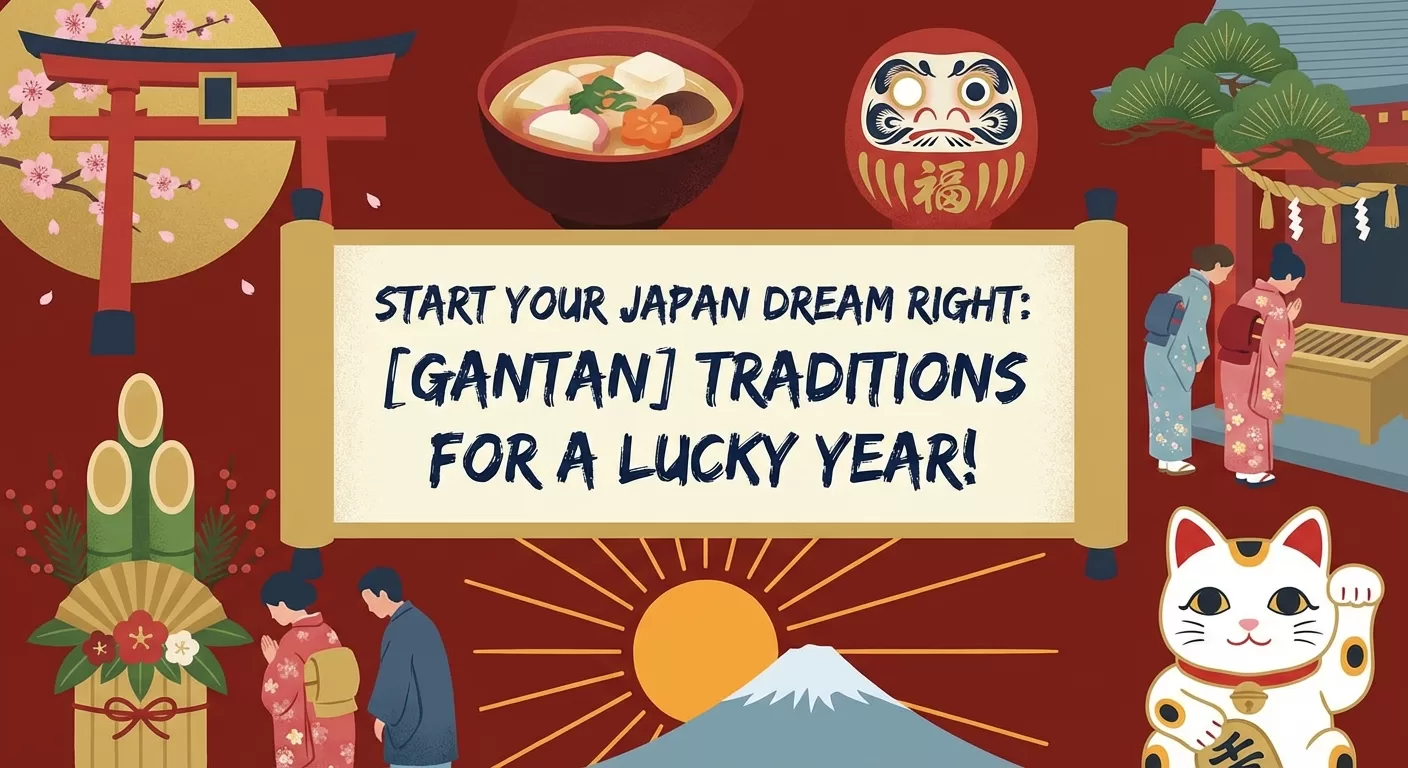
Start Your Japan Dream Right: [Gantan] Traditions for a Lucky Year!
Executive Summary: This article guides Filipino learners through the meaningful rituals of Japanese New Year, or Oshogatsu, with a special focus on Gantan (New Year’s morning). You’ll discover essential customs such as Hatsumode, omikuji, osechi-ryouri, and proper New Year greetings, all paired with precise Japanese language lessons. By mastering these cultural nuances, you build the soft skills that impress Japanese employers and deepen your connection with colleagues. SAMURAI Japan Business Center blends language training with real-world business manners to prepare you for a successful life in Japan.
エグゼクティブサマリー: この記事では、フィリピン人学習者が日本の正月文化、特に「元旦」の意味を理解し、初詣やおみくじ、おせち料理、正しい新年の挨拶といった必須知識を日本語のレッスンと共に学びます。これらの文化的なマナーを身につけることは、将来の雇用主に好印象を与え、同僚との絆を深める力になります。SAMURAI Japan Business Centerは、語学研修とビジネスマナーの融合により、日本での成功を全力でサポートします。
1. Understanding Gantan: The Sacred Morning of January 1st 🌅
In Japan, the start of the new year is marked by quiet reverence rather than noisy celebrations. Gantan (元旦) specifically refers to the morning or sunrise of January 1st, a moment when families gather to pray for health, happiness, and prosperity. For Filipino students who often celebrate with firecrackers and large feasts, the peaceful Japanese approach offers a refreshing perspective. At SAMURAI Japan Business Center, we teach that adjusting to such cultural rhythms is essential for long-term success in Japan. Understanding Gantan not only enriches your language ability but also demonstrates your respect for Japanese values, making you stand out in any professional setting.
日本では、新年の始まりは華やかな騒ぎではなく、静かな敬意をもって迎えられます。「元旦」は特に1月1日の朝や日の出を指し、家族が健康や幸福、繁栄を祈る神聖な時間です。爆竹や盛大なパーティーに慣れたフィリピン人学生にとって、この静けさは新鮮に映るでしょう。SAMURAI Japan Business Centerでは、こうした文化的リズムに適応することが、日本での長期的な成功に不可欠だと教えています。元旦を理解することは、単なる言語力を超えて、日本社会への敬意を示す行動となり、どんな職場でも際立つ存在になれます。
💡 Pro-Tip: Gantan vs. Ganjitsu
While Ganjitsu means the entire day of January 1st, Gantan (the kanji 旦 depicts the sun rising above the horizon) focuses on the early morning. When writing formal New Year cards, using the correct term shows linguistic precision—a skill highly valued in Japanese business communication.
「元日」が1月1日全体を指すのに対し、「元旦」は「旦」という漢字が地平線に昇る太陽を表すように、特に朝の時間帯に焦点を当てます。年賀状などで正しい言葉を使うことは、ビジネスコミュニケーションで重視される正確さを示します。
2. Hatsumode: Your First Shrine Visit of the Year ⛩️
One of the most important Gantan customs is Hatsumode, the first trip to a Shinto shrine or Buddhist temple. Families and individuals go during the first three days of January (Sanganichi) to pray for safety, success, and good health. For Filipinos accustomed to simbang gabi or church visits, this spiritual tradition feels both familiar and uniquely Japanese. The proper etiquette—purifying hands and mouth at the chozuya, tossing a 5-yen coin (go-en, a homophone for “good connection”), and performing two bows, two claps, and one final bow—is a powerful lesson in mindfulness. Our business center incorporates these rituals into cultural training, so you never feel uncertain when visiting shrines with Japanese colleagues.
元旦の重要な行事の一つが「初詣」です。人々は三が日の間に神社やお寺を訪れ、安全や成功、健康を祈ります。シンバンガビや教会訪問に親しんだフィリピン人にとって、この精神的な伝統は親しみやすく、かつ日本独自のものです。手水舎での清め、5円玉を投げる縁起担ぎ、二礼二拍手一礼の作法は、心の整え方のレッスンでもあります。当ビジネスセンターではこれらの作法を文化研修に含めており、日本の同僚と共に神社を訪れても戸惑わない自信が身につきます。
- Key Vocabulary: 初詣 (Hatsumode)
First shrine visit of the year.
新年になって最初に神社やお寺に参拝すること。
- Key Vocabulary: お賽銭 (O-saisen)
Monetary offering tossed into the offering box.
お賽銭箱に入れるお金のこと。
3. Omikuji and Omamori: Fortune and Protection for Your Goals 🍀
After praying, many people draw an Omikuji (paper fortune). You shake a wooden box, pick a stick, and receive a slip that predicts your luck in areas like health, academics, and career. If you receive a “Kyou” (bad luck), tie it to a designated rack to leave the misfortune behind. Pair this with an Omamori (protective amulet)—there are special types for exam success (Gokaku-kigan), safe travel, or career advancement. For our students, purchasing an exam-related Omamori during Hatsumode can serve as a motivational symbol, reminding you of your commitment to mastering Japanese and building a future in Japan. Integrating such traditions into your daily life shows your genuine engagement with the culture, something that resonates deeply with Japanese executives.
参拝後には「おみくじ」を引く人が多くいます。木箱を振り、棒を引き、番号に応じた運勢の紙を受け取ります。健康や学業、仕事運などが記されており、「凶」を引いたら所定の場所に結んで厄を落とします。これに「お守り」を組み合わせるのも効果的です。試験合格や交通安全、キャリアアップなど目的別にあり、当センターの学生は合格祈願のお守りを購入し、日本語習得と日本での未来への決意を固めるシンボルにしています。こうした習慣を日常に取り入れることは、日本人経営陣にも伝わる本物の文化理解を示します。
| Omikuji Rank | Reading | Meaning |
|---|---|---|
| 大吉 | Dai-kichi | Great blessing |
| 中吉 | Chū-kichi | Middle blessing |
| 小吉 | Shō-kichi | Small blessing |
| 吉 | Kichi | Good luck |
| 凶 | Kyō | Bad luck (tie it up!) |
4. Osechi-ryori: The Symbolic Feast of Wishes 🍱
Food is central to Gantan, and Osechi-ryori is the star. Beautifully arranged in layered lacquer boxes (jubako), each dish carries a meaning: black beans (kuromame) for health and diligence, herring roe (kazunoko) for family prosperity, sweet chestnut (kuri-kinton) for wealth, and shrimp (ebi) for longevity. Unlike the Philippine Noche Buena which is often heavy and festive, Osechi is designed to be eaten over several days to give the cook rest. Learning the symbolism behind each ingredient not only helps you appreciate the meal but also gives you conversation topics to share with Japanese colleagues during early-year gatherings. At our Business Center, we often simulate New Year lunch settings so students can practice vocabulary and polite expressions in a realistic context.
元旦の食卓の主役は「おせち料理」です。重箱に美しく詰められ、黒豆は「まめ(健康・勤勉)」、数の子は子孫繁栄、栗きんとんは金運、海老は長寿を象徴します。フィリピンのノーチェブエナがにぎやかで豪華なのに対して、おせちは数日間保存でき、作る人の負担を軽減する工夫がされています。食材の意味を学ぶことで、単なる食事を超え、年の初めの同僚との会話のきっかけにもなります。当ビジネスセンターでは、実際の新年会を想定した食事ロールプレイを通じて、語彙や丁寧表現を実践的にトレーニングしています。
🍲 Study Box: Ozoni Soup
Another must-have on Gantan morning is Ozoni, a mochi soup that varies by region. In Tokyo, it’s clear broth with grilled mochi; in Kyoto, it’s white miso-based. When you encounter this dish, you can use the phrase “Ozoni wa shougatsu no tame no dentō teki na tabemono desu.” (Ozoni is a traditional food for the New Year.)
元旦の朝には「お雑煮」も欠かせません。東京はすまし汁に焼き餅、京都は白味噌仕立てと地域差が大きく、食文化の多様性を学ぶ良い機会です。「お雑煮は正月のための伝統的な食べ物です」と説明できると、日本文化への造詣の深さを示せます。
5. Essential New Year Greetings to Impress 🗣️
Knowing when to use which greeting is a mark of a well-trained professional. Before January 1st, you say “Yoi otoshi wo omukae kudasai” (Please have a good new year). From January 1st onwards, switch to “Akemashite omedetou gozaimasu” followed by “Kotoshi mo yoroshiku onegaishimasu.” These phrases are not just pleasantries; they are the glue that strengthens workplace relationships in Japan. At SAMURAI Japan Business Center, we drill these switches until they become second nature, ensuring you never make a timing mistake that could be seen as unprofessional.
いつどの挨拶を使うかを知ることは、プロフェッショナルの証です。1月1日より前は「良いお年をお迎えください」、元日以降は「明けましておめでとうございます」に続けて「今年もよろしくお願いします」と述べます。これらは単なる社交辞令ではなく、職場の人間関係を強くする接着剤です。SAMURAI Japan Business Centerでは、この切り替えを徹底的に練習し、タイミングのミスでプロらしさを損なわないよう指導しています。
6. Hatsuhinode, Otoshidama, and Nengajo: More Gantan Charms 🌄🧧
Other meaningful traditions enrich the Gantan experience. Hatsuhinode (first sunrise) is believed to recharge your spirit for the year ahead, and many climb mountains or head to the beach to witness it. Otoshidama (money given to children in decorative pouches) reinforces family bonds, much like the Filipino ang pao. Finally, Nengajo (New Year postcards) remain a respected form of gratitude in the business world—sending one to your Japanese mentor or supervisor demonstrates thoughtfulness and understanding of traditional etiquette.
元旦を彩るその他の行事も魅力的です。「初日の出」を拝むことで一年の活力を得るとされ、山や海岸へ出かける人もいます。「お年玉」は家族の絆を強め、フィリピンのアンパオにも通じます。そして「年賀状」はビジネスの場で今も尊重され、指導者や上司に送ることで気配りと伝統的マナーへの理解を示せます。
Q&A (FAQ)
Q: Do I need to visit a shrine on Gantan even if I’m not religious?
A: Not at all. Many Japanese people participate in Hatsumode as a cultural tradition rather than a religious obligation. As a foreign student, going with friends as a learning experience is perfectly acceptable. Just follow the etiquette we teach and enjoy the atmosphere.
Q: 信仰がなくても元旦に神社へ行く必要はありますか?
A: いいえ、必ずしもそうではありません。多くの日本人は宗教的な義務としてではなく文化的な習慣として初詣に参加します。留学生も友人と一緒に学習体験として訪れるのは全く問題ありません。当センターで教える作法を守り、雰囲気を楽しんでください。
Q: What is the biggest mistake Filipino students make with New Year greetings?
A: Using “Akemashite omedetou” before the New Year arrives. In Japanese business culture, precision matters. Always wait until January 1st to use that phrase. Before that, stick to “Yoi otoshi wo.” We practice these distinctions extensively in our communication training.
Q: フィリピン人学生が新年の挨拶で犯しがちな最大の間違いは何ですか?
A: 新年が来る前に「明けましておめでとう」と言ってしまうことです。日本のビジネス文化では正確さが重視されます。必ず1月1日以降にその言葉を使い、それまでは「良いお年を」に徹しましょう。当センターのコミュニケーション研修ではこの切り替えを徹底的に練習します。
Q: How can learning Gantan customs help my career in Japan?
A: It shows cultural intelligence. When you can discuss the meaning of Osechi or participate in Hatsumode with colleagues, you demonstrate integration and respect. Japanese executives highly value employees who embrace local customs, which can lead to stronger workplace trust and advancement opportunities.
Q: 元旦の習慣を学ぶことが、日本でのキャリアにどう役立ちますか?
A: 文化的知性を示すことができます。おせちの意味を話せたり、同僚と初詣に参加できることは、日本社会への統合と敬意を表します。日本の経営陣は現地の習慣を大切にする社員を高く評価し、職場での信頼や昇進の機会につながります。
Conclusion: Your Lucky Year Starts Here! 🌟
Gantan is far more than a calendar date; it’s a gateway to understanding the Japanese mindset of harmony, gratitude, and renewal. By immersing yourself in these traditions now, you lay the groundwork for a smooth cultural transition when you finally set foot in Japan. Every greeting learned, every ritual practiced, and every symbolic food understood brings you closer to your dream of a successful life in the Land of the Rising Sun. We at SAMURAI Japan Business Center are committed to guiding you with expert language training and cultural know-how. Take the next step in your journey—apply for our program today and make this New Year the beginning of your unforgettable Japan story. Ganbatte kudasai! 💪✨
元旦は単なる日付ではなく、調和、感謝、再生という日本人の心を理解する入り口です。今これらの伝統に浸ることで、実際に日本へ渡った時の文化的な移行がスムーズになります。覚えた挨拶、実践した作法、理解した料理の意味の一つひとつが、日出ずる国での成功した人生という夢にあなたを近づけます。SAMURAI Japan Business Centerは、専門的な言語研修と文化ノウハウであなたを導くことをお約束します。次の一歩を踏み出し、今すぐプログラムにお申し込みください。新しい年を、忘れられない日本物語の始まりにしましょう。頑張ってください! 💪✨
🇯🇵 日本語で新しい可能性を広げよう! ✨
SAMURAI Japan Business Centerは、あなたの日本語学習を全力でサポートします。
🚀 Start Your Learning Journey Today!
Ready to learn Japanese? Apply for our programs now!
🏫 お問い合わせ (Contact Us)
📞 Phone: +63 997 093 4550
📧 Email: samuraijapan.bc@gmail.com
🏢 Address: Room D3, Freb Bldg, Villa Donata Subd, Muntinlupa
📱 SNSで楽しく学ぼう!
Related posts:
 Your First Japanese Sentences: 3 Easy Grammar Patterns for Beginners
 How to Learn Hiragana and Katakana Fast: A Guide for Filipino Learners
 Feeling Stuck? 5 Tips to Boost Your Japanese Study Motivation
 Mastering the JFT-Basic: Your Guide to Living in Japan
 Your Pathway to Japan: A Filipino Learner’s Guide to JFT-Basic Success and Life in the Land of the Rising Sun
 Natto: Essential Phrases & Tips for Japanese Food!
