
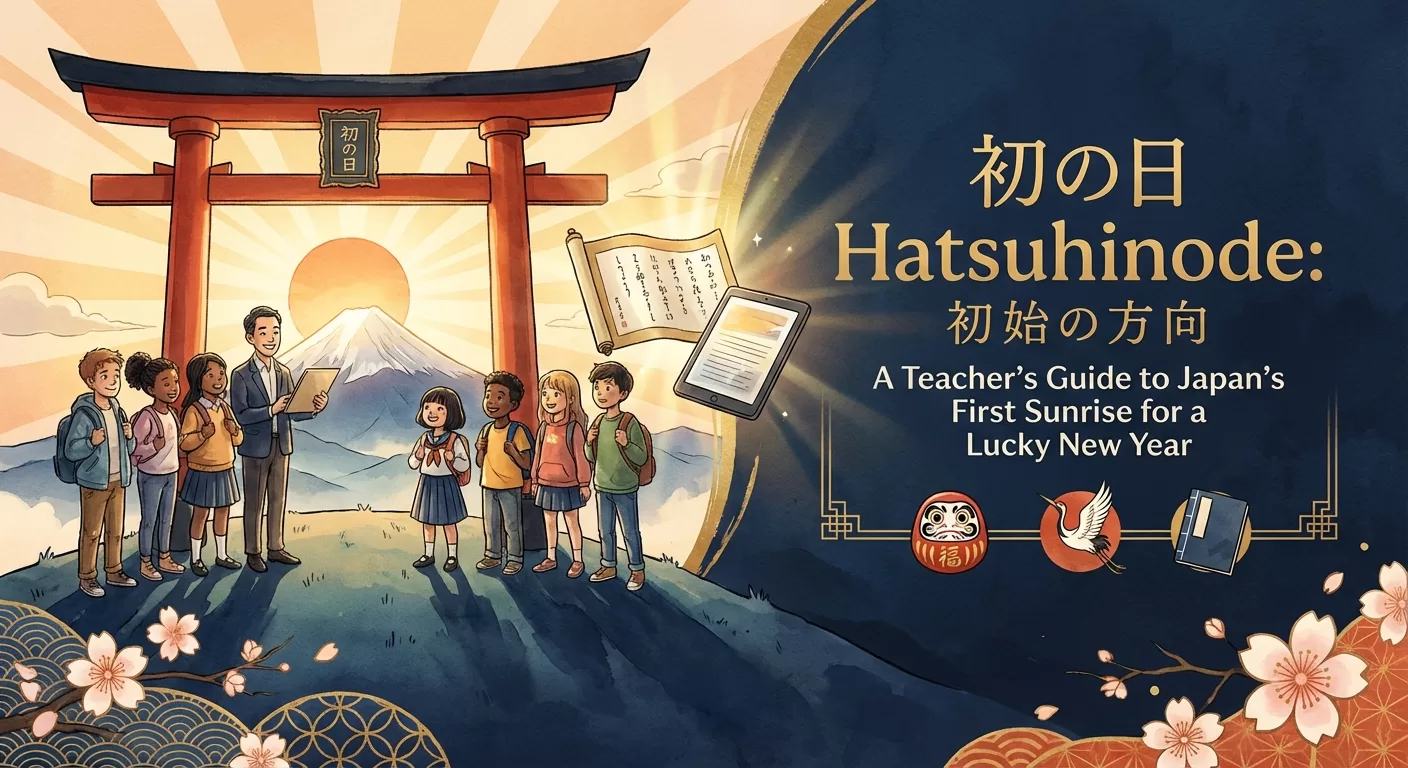
【Hatsuhinode】 A Teacher’s Guide to Japan’s First Sunrise for a Lucky New Year 🇯🇵🌅
Executive Summary / エグゼクティブサマリー
Explore Japan’s cherished Hatsuhinode tradition—the first sunrise of the year. This guide, crafted by the Head Instructor of SAMURAI Japan Business Center, explains the cultural significance, key vocabulary, and practical etiquette for students and professionals. Deepen your Japanese cultural understanding and language skills while learning how to welcome good fortune.
SAMURAI Japan Business Center(サムライジャパンビジネスセンター)の統括トレーニングコンサルタントが執筆したこのガイドでは、日本の初日の出の文化的意義、重要な語彙、そして実践的なマナーを解説します。日本語力とビジネス文化理解を深め、幸運を迎える方法を学びましょう。
1. What is Hatsuhinode? — A Cultural and Spiritual Tradition / 初日の出とは?— 文化的・精神的な伝統
Hatsuhinode (初日の出) literally means “first sunrise.” It is the Japanese custom of watching the sunrise on January 1st to welcome the New Year deity, Toshigami-sama, and to pray for health, happiness, and success. For Filipino learners, appreciating such traditions demonstrates deep cultural literacy—an essential soft skill in Japan’s business environment.
初日の出とは、1月1日の夜明けに昇る太陽を拝むことで、年神様(歳神様)を迎え、その年の健康や幸福、成功を祈る日本の習慣です。フィリピン人の学習者にとって、このような伝統を理解することは、日本のビジネス環境で求められる深い文化的教養を示すことにつながります。
💡 Pro Tip / 講師のアドバイス
Integrating “first-of-the-year” concepts like Hatsuhinode into your daily study builds a mindset of fresh starts. This perspective is highly valued in Japanese corporate philosophy known as “kaizen,” or continuous improvement.
初日の出のような「一年の最初」を意識した学び方を取り入れると、新鮮な気持ちで継続的に成長するマインドが育ちます。これは、日本企業の哲学である「改善(カイゼン)」にも通じる考え方です。
2. Essential New Year Vocabulary and Phrases / 新年に必須の語彙と表現
Mastering the correct seasonal greetings is a cornerstone of business manners in Japan. Use the table below to ensure you choose the right phrase before and after the New Year.
正しい季節の挨拶を身につけることは、日本のビジネスマナーの基礎です。以下の表を参考に、新年の前後で適切な表現を使い分けましょう。
| Japanese Phrase | Romaji | When to Use / Context |
|---|---|---|
| 良いお年を | Yoi otoshi wo | Before January 1st (wishing a good year-end) |
| 明けましておめでとうございます | Akemashite omedetou gozaimasu | On or after January 1st (Happy New Year) |
| 今年もよろしくお願いします | Kotoshi mo yoroshiku onegaishimasu | After January 1st (please continue your kind support) |
Using these phrases correctly demonstrates your respect for protocol—a trait that leaves a lasting positive impression in professional and academic settings.
これらのフレーズを正しく使うことで、礼儀を重んじる姿勢が伝わり、職場や学校で好印象を残せます。
⚠️ Common Mistake / よくある間違い
Never say “Akemashite omedetou” before the New Year arrives. It is reserved strictly for January 1st onward. Saying it on December 31st is considered premature and awkward.
「明けましておめでとう」は、新年が明ける前に絶対に使ってはいけません。12月31日に言うのは時期尚早で、違和感を与えます。
3. Popular Hatsuhinode Spots and Their Significance / 人気の初日の出スポットとその意味
From Mount Fuji’s “Diamond Fuji” to the easternmost Cape Nosappu, Japan offers countless vantage points. Understanding the reasoning behind these locations—such as geographic symbolism and historical Shinto beliefs—deepens your appreciation of Japanese spirituality.
富士山の「ダイヤモンド富士」から最東端の納沙布岬まで、日本には数多くの観賞スポットがあります。地理的な象徴性や神道の歴史的背景を理解することで、日本の精神文化への理解がより深まります。
- Mount Fuji (Yamanashi/Shizuoka)
The “Diamond Fuji” effect, where the sun sits atop the peak, symbolizes the pinnacle of natural beauty and divine blessing.
太陽が富士山頂に重なる「ダイヤモンド富士」は、自然美と神々しい祝福の象徴です。
- Inubosaki (Chiba)
As the easternmost point of the Kanto region, it is one of the first places on mainland Honshu to greet the sun, making it a highly auspicious spot.
関東最東端に位置し、本州で最も早く朝日を拝める縁起の良い場所です。
- Tokyo Skytree & Tokyo Tower
Urban sunrise viewing from observation decks offers a unique blend of modernity and tradition, often requiring advance ticket lotteries.
展望台からの都会の初日の出は、現代性と伝統が融合した特別な体験です。事前の抽選申込が必要な場合もあります。
4. Practical Preparation: Your Step-by-Step Survival Checklist / 実践準備:ステップ別サバイバルチェックリスト
Weather in Japan during early January can be severe. Our Business Center emphasizes thorough preparation as part of professional discipline. Follow these steps for a safe and meaningful experience.
1月初旬の日本の早朝は非常に厳しい寒さです。当ビジネスセンターでは、プロフェッショナルとしての自己管理の一環として、万全の準備を重視します。以下のステップで安全かつ有意義に過ごしましょう。
- Check the exact sunrise time.
Use weather apps to confirm the local “hinode” time; plan to arrive at least 30 minutes earlier.
天気予報アプリで正確な「日の出」時刻を確認し、少なくとも30分前には到着する計画を立てましょう。
- Dress in layers.
Adopt the “layering system”: inner thermal, middle fleece, outer windproof down jacket. Heattech is highly recommended.
「重ね着」を徹底しましょう。インナーにヒートテック、中間にフリース、アウターに防風ダウンがおすすめです。
- Bring disposable heat packs (kairo).
Buy them at any convenience store; place them on your lower back or in your gloves.
コンビニで買える「カイロ」を腰や手袋の中に入れておくと効果的です。
- Charge devices and carry a power bank.
Cold drains batteries fast; ensure your phone and camera are ready for the moment.
寒さでバッテリーの消耗が早まるため、スマホやカメラの充電は必須です。モバイルバッテリーも忘れずに。
5. Beyond the Sunrise: Integrating into Oshogatsu Traditions / 初日の出の先へ:お正月文化に溶け込む
After watching Hatsuhinode, many Japanese people visit a shrine for “Hatsumode” (first prayer). Learning about related customs like Osechi Ryori (auspicious New Year dishes) and Otoshidama (money envelopes) enhances your conversational ability and business small talk.
初日の出の後は、「初詣(はつもうで)」で神社にお参りする人が多くいます。「おせち料理」や「お年玉」などの習慣を学ぶことで、会話力やビジネスでの雑談力も高まります。
💡 Teacher’s Insight / 講師の視点
Understanding the symbolic meanings of Osechi items—like kuromame (health, diligence), kazunoko (prosperity), and shrimp (longevity)—shows your grasp of Japanese semiotics, a valuable skill for any professional aiming to work in Japan.
おせち料理の黒豆(健康・勤勉)、数の子(子孫繁栄)、海老(長寿)などの意味を理解することは、日本の記号学への理解を示し、日本で働くプロフェッショナルとして貴重なスキルとなります。
Frequently Asked Questions (FAQ) / よくある質問
Q1: Is Hatsuhinode only for religious people? / 初日の出は宗教的な人だけのものですか?
No. While rooted in Shinto, Hatsuhinode is widely embraced as a cultural custom to celebrate the new beginning, regardless of personal faith. It’s similar to how many people enjoy Christmas traditions without religious affiliation.
いいえ。神道に由来しますが、信仰に関係なく新年のスタートを祝う文化的習慣として広く親しまれています。宗教とは関係なくクリスマスを楽しむのと同じです。
Q2: Can I participate alone as a foreigner? / 外国人でも一人で参加できますか?
Absolutely. Many Japanese people go alone as well. It’s a personal, reflection-oriented moment. You’ll blend in naturally as long as you follow basic manners: quiet observation and respectful prayer posture.
もちろんです。日本人も一人で行く方は多いです。内省的な時間ですので、静かに鑑賞し、祈りの姿勢をとれば自然に溶け込めます。
Q3: What if the weather is cloudy? / 曇っていたらどうしますか?
Even on cloudy days, the sunrise still occurs, and the light breaking through the clouds is considered beautiful and symbolic—representing hope overcoming obstacles. Many still consider it a successful Hatsuhinode.
曇りの日でも、日の出自体は起きており、雲の隙間から差す光は「希望が困難を乗り越える」象徴として美しいとされています。それでも立派な初日の出と見なされます。
Conclusion: Start Your Year with Purpose and Progress / まとめ:目的と成長の一年を始めよう
Embracing traditions like Hatsuhinode not only enriches your cultural knowledge but also reflects the professionalism and open-mindedness valued in Japanese society. At SAMURAI Japan Business Center, we are dedicated to providing language training and business manner education that empower you to succeed in Japan. Whether you are beginning your studies or advancing to business-level fluency, every sunrise offers a new chance to move closer to your goals. We encourage you to practice the phrases, adopt the mindset, and, when ready, experience the magic yourself. Let’s make this year one of growth, connection, and achievement.
初日の出のような伝統に触れることは、文化理解を深めるだけでなく、日本社会で重視されるプロ意識と寛容さを示します。SAMURAI Japan Business Centerは、皆さんが日本で成功するための語学研修とビジネスマナー教育を提供しています。勉強を始めたばかりの方も、ビジネスレベルの流暢さを目指す方も、新しい朝日は目標に近づくチャンスです。フレーズを練習し、前向きなマインドを養い、機会があれば実際に体験してみてください。成長、つながり、成果に満ちた一年にしましょう。
🇯🇵 日本語で新しい可能性を広げよう! ✨
SAMURAI Japan Business Centerは、あなたの日本語学習を全力でサポートします。
🚀 Start Your Learning Journey Today!
Ready to learn Japanese? Apply for our programs now!
🏫 お問い合わせ (Contact Us)
📞 Phone: +63 997 093 4550
📧 Email: samuraijapan.bc@gmail.com
🏢 Address: Room D3, Freb Bldg, Villa Donata Subd, Muntinlupa
📱 SNSで楽しく学ぼう!
Related posts:
 Your First Japanese Sentences: 3 Easy Grammar Patterns for Beginners
 How to Learn Hiragana and Katakana Fast: A Guide for Filipino Learners
 Feeling Stuck? 5 Tips to Boost Your Japanese Study Motivation
 Mastering the JFT-Basic: Your Guide to Living in Japan
 Your Pathway to Japan: A Filipino Learner’s Guide to JFT-Basic Success and Life in the Land of the Rising Sun
 Natto: Essential Phrases & Tips for Japanese Food!
