
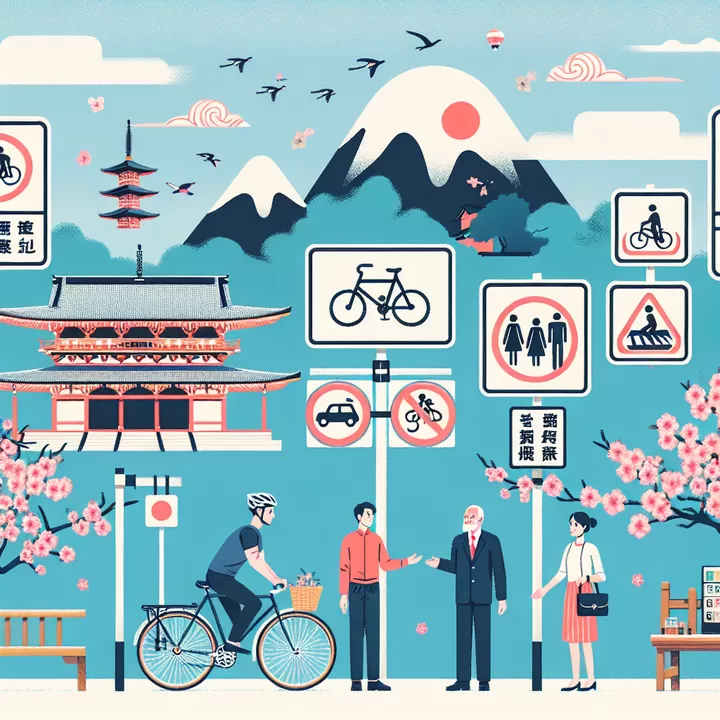
Master Japan’s Road Rules: Your Guide to Safe Cycling & Walking / 日本の交通ルールを完全マスター:安全な自転車走行と歩行の徹底ガイド
Executive Summary / エグゼクティブサマリー
Navigating daily life in Japan requires a deep appreciation for public safety, social harmony, and strict legal compliance. For international learners, mastering road rules for walking and cycling is an essential foundation for independence, community integration, and professional diligence. At SAMURAI Japan Business Center, we deliver comprehensive training that bridges practical language acquisition with rigorous real-world compliance.
日本での日常生活を円滑に送るためには、公共の安全、社会的な調和、そして厳格な法令遵守への深い理解が不可欠です。外国人学習者にとって、歩行時や自転車走行時の交通ルールを習得することは、自立した生活と地域社会への適応、そして高い規律意識を育むための重要な基盤となります。SAMURAI Japan Business Centerでは、実践的な語学教育と徹底した実生活コンプライアンス指導を融合させた質の高い研修を提供しています。
Walking and cycling are fundamental components of daily transportation in Japanese society. Whether commuting to train stations, navigating suburban commercial districts, or travelling to local facilities, pedestrians and cyclists operate within a meticulously structured traffic environment. While international professionals often bring strong enthusiasm and adaptability, differences in national traffic legislation and municipal regulations can create unexpected hazards if not properly studied.
徒歩や自転車による移動は、日本社会における日常生活および通勤・通学の基盤となっています。最寄り駅へのアクセスから商業施設や地域拠点への移動に至るまで、歩行者や自転車利用者は極めて高度に整備された交通環境の中で行動します。外国人材が熱意と適応力を備えていたとしても、母国との交通法規や地域ルールの違いを体系的に学んでいなければ、思わぬ事故や違反を招くリスクが存在します。
Understanding these rules is not merely an exercise in avoiding legal penalties; it represents the core Japanese cultural value of consideration for others (思いやり – Omoiyari) and public order (社会秩序 – Shakai Chitsujo). This comprehensive guide provides the technical, legal, and linguistic frameworks required to navigate Japanese roads safely and with total confidence.
これらの交通規範を理解することは、単に罰則を避けるための手段にとどまらず、日本文化の根底にある「他者への思いやり」や「社会秩序の維持」を体現することに直結します。本ガイドでは、日本の道路を安全かつ自信を持って通行するために必要な法的知識、実用的マナー、そして関連する専門用語を徹底的に解説します。
💡 Instructor’s Foundation Note / 講師からの基礎ポイント
In Japan, traffic rules are enforced with absolute consistency. Strict adherence to signals, designated lanes, and pedestrian priority is considered a fundamental benchmark of civic responsibility.
日本では、交通法規が極めて厳格かつ公正に運用されています。信号の遵守、指定通行区分の厳守、そして歩行者優先の徹底は、社会人としての基本的資質とみなされます。
1. Fundamental Pedestrian Rules and Traffic Principles / 1. 歩行者の基本ルールと交通原則
Pedestrian safety in Japan is built around predictable movements and mutual awareness between drivers, cyclists, and individuals on foot. Understanding how to position yourself on various types of roadways prevents dangerous bottlenecks and accidents.
日本における歩行者の安全管理は、予測可能な行動と、ドライバー・自転車・歩行者相互の安全確認を前提として構築されています。道路構造に応じた適切な通行位置を把握することで、危険な交錯や接触事故を未然に防止することができます。
- Right-Hand Walking on Roads without Sidewalks / 歩道のない道路での右側通行 (右側通行 – Migigawa Tsūkō)
When walking on streets that lack designated sidewalks, pedestrians must walk on the right side of the road, facing oncoming vehicular traffic. This orientation guarantees that pedestrians can visually monitor approaching vehicles and react promptly to hazards.
歩道が設置されていない道路を通行する場合、歩行者は道路の右側端を通行し、対向してくる車両と正対する必要があります。これにより、接近する車両を目視で確認し、危険を素早く察知して回避行動をとることが可能になります。
- Left-Side Flow on Sidewalks / 歩道における左側通行の原則 (歩道 – Hodō)
On dedicated sidewalks and pedestrian plazas, movement generally aligns with the natural flow of traffic, which favors keeping to the left side. Maintaining this alignment prevents pedestrian congestion in high-traffic urban areas.
専用の歩道や歩行者専用広場では、一般的に人の流れに沿った左側通行が推奨されます。この流れを乱さないよう配慮することで、混雑した都市部でもスムーズで安全な移動が維持されます。
- Strict Compliance with Pedestrian Crossings and Signals / 信号機と横断歩道の絶対遵守 (横断歩道 – Ōdanhodō)
Crossing against a red light (信号無視 – Shingō Mushi) or crossing outside marked pedestrian crosswalks (乱断横断 – Randanhōdan) is illegal and strictly regulated. Even if no vehicles are immediately visible, pedestrians are expected to wait patiently for the green signal.
赤信号での横断(信号無視)や横断歩道以外の場所での無理な横断(乱断横断)は、違法行為であり重大な事故原因となります。周囲に車両が見当たらない状況であっても、青信号に変わるまで確実に待機することが求められます。
2. Bicycle Regulations and Legal Standards in Japan / 2. 日本における自転車の法規と厳格な遵守基準
Under the Japanese Road Traffic Act (道路交通法 – Dōro Kōtsū Hō), bicycles are classified as “Light Vehicles” (軽車両 – Keisharyō). Consequently, cyclists are subject to vehicular traffic laws and strict penal regulations, rather than general pedestrian leniency.
日本の道路交通法において、自転車は「軽車両」に分類されます。したがって、歩行者の延長ではなく車両の一種として扱われ、自動車と同様に厳格な交通法規および罰則規定の適用対象となります。
For a detailed breakdown of practical bicycle preparation and registration protocols, consult our practical guide on 5 easy tips for riding a bike like a local.
自転車の利用準備や防犯登録に関する詳細な手順については、当センターの記事「ローカルのように自転車に乗るための5つの簡単ポイント」もあわせてご確認ください。
- Left-Side Vehicular Traffic Rule / 車道左側通行の原則 (車道左側通行 – Shadō Hidarigawa Tsūkō)
Bicycles must be ridden on the road, staying close to the left-hand edge in the same direction as vehicular traffic. Riding on the right side against traffic flow (逆走 – Gyakusō) is strictly prohibited and carries severe legal penalties.
自転車は原則として車道を通行し、自動車と同じ進行方向である道路の左側端に沿って走行しなければなりません。右側を逆走する行為(逆走)は重大な違反であり、厳格な罰則の対象となります。
- Prohibition of Distracted and Hazardous Riding / 危険行為・ながら運転の全面禁止
Using smartphones while cycling (ながらスマホ), holding umbrellas (傘差し運転), and wearing earphones or headphones that block ambient traffic sounds are strictly forbidden. These behaviors significantly impair balance, sensory perception, and braking distance.
走行中のスマートフォン操作(ながらスマホ)、傘を差しながらの片手運転(傘差し運転)、周囲の環境音が遮断されるイヤホン・ヘッドホンの使用は固く禁じられています。これらは平衡感覚、状況認識力、制動距離に重大な悪影響を及ぼします。
- Mandatory Safety Equipment and Anti-Theft Registration / 安全装備の義務と防犯登録 (防犯登録 – Bōhan Tōroku)
Bicycles must be equipped with fully operational front headlights (mandatory for night riding), rear reflectors or red tail lights, and responsive dual brakes. Furthermore, all bicycles must be registered under the national anti-theft system (防犯登録).
自転車には、夜間点灯が義務付けられている前照灯(ライト)、後部反射板(リフレクター)または尾灯、前後の正常に作動するブレーキの装備が義務付けられています。また、すべての車体は法律に基づく「防犯登録」を完了していなければなりません。
- Strict Ban on Riding Under the Influence / 飲酒運転の厳罰化 (酒気帯び運転 – Shukiobi Unten)
Operating a bicycle under the influence of alcohol is treated with the same legal gravity as drunk driving in a motor vehicle, leading to substantial fines, arrests, and potential administrative sanctions.
アルコールを摂取した状態での自転車運転は、自動車の飲酒運転と同様に極めて重大な犯罪として処罰され、高額な罰金や刑事処分、社会的処分の対象となります。
⚠️ Critical Compliance Insight / コンプライアンスの重要知識
Tandem riding on a standard bicycle (二人乗り – Futari Nori) is illegal in Japan, except when carrying a child under 6 years old in an approved safety seat. Riding double with a friend or colleague can lead to an immediate police stop.
一般的な自転車での二人乗り(二人乗り)は、認可された専用チャイルドシートに6歳未満の幼児を乗せる場合を除き、法律で禁止されています。友人や同僚と同乗することは警察の指導取締り対象となります。
3. Navigating Shared Sidewalks and Urban Transit Zones / 3. 歩車共存ゾーンと都市部歩道の走行要件
While bicycles are fundamentally required to use the roadway, Japanese municipal traffic laws permit sidewalk riding under specific statutory exceptions. However, cyclists must operate with heightened restraint whenever entering pedestrian zones.
自転車は車道通行が原則ですが、道路交通法で定められた特定の例外条件下においては、歩道の通行が認められています。ただし、歩道内では歩行者の安全確保が最優先され、厳格な走行制限が課されます。
| Scenario / 状況 | Legal Requirement / 法的義務 | Cyclist Action / 推奨行動 |
|---|---|---|
| Designated Signs (標識設置) | Sidewalks marked with “Bicycles & Pedestrians Shared” signs (普通自転車歩道通行可). | Ride on the roadway side of the sidewalk at slow speed. |
| Extreme Road Danger (車道の危険性) | Heavy construction, extreme traffic congestion, or narrow dangerous roads. | Dismount and walk, or ride slowly while yielding to all pedestrians. |
| Pedestrian Presence (歩行者との接近) | Pedestrians have absolute legal right-of-way (歩行者優先). | Bring the bicycle to a complete stop if proceeding obstructs pedestrians. |
On shared sidewalks, cyclists must maintain a slow speed (徐行 – Jokō), defined as a velocity that allows the bicycle to stop immediately. Ringing a bicycle bell to force pedestrians out of your path is considered inappropriate and legally improper; bells are reserved exclusively for avoiding unavoidable emergencies.
歩道を通行する際、自転車は直ちに停止できる速度での「徐行」が義務付けられています。歩行者を退かすために警音器(ベル)を鳴らす行為はマナー違反であるだけでなく、法律上も制限されており、緊急回避の目的以外での乱用は禁じられています。
4. Essential Road Vocabulary and Emergency Protocols / 4. 道路標識・重要語彙と緊急時の対応手順
Mastering Japanese traffic signs and key situational vocabulary enables professionals to interpret physical street conditions quickly and respond appropriately during municipal inspections or minor collisions.
道路標識や状況に応じた専門用語を正しく理解しておくことは、街頭での正確な状況判断を可能にし、警察官の確認や万が一の軽微なトラブル時にも迅速かつ適切な対応を行うための基盤となります。
| Japanese Kanji & Kana | Romaji | English Meaning |
|---|---|---|
| 一時停止 | Ichiji Teishi | Full Stop / Stop Sign |
| 駐輪禁止 | Chūrin Kinshi | No Bicycle Parking |
| 駐輪場 | Chūrinjō | Designated Bicycle Parking Lot |
| 歩行者優先 | Hokōsha Yūsen | Pedestrian Priority / Right of Way |
| 徐行 | Jokō | Proceed at Slow Speed |
If you find yourself in an emergency, minor accident, or face property loss, reporting immediately to the nearest police box is standard procedure. Review our dedicated guide on how to use the friendly Koban system for practical conversation steps with local officers.
万が一の事故や接触、あるいは貴重品の紛失等が発生した場合は、速やかに最寄りの交番へ届け出る必要があります。警察官との円滑な対話や手続きについては、当センターの記事「交番の上手な利用法と基本フレーズ」をご参照ください。
5. The SAMURAI Japan Training Methodology for Real-World Safety / 5. SAMURAI Japan Business Centerの実践的安全教育メソッド
At SAMURAI Japan Business Center, we believe that high-tier professional preparation goes far beyond memorizing grammar textbooks. Our educational philosophy combines linguistic fluency with the practical daily habits required to thrive within Japanese corporate and communal structures.
SAMURAI Japan Business Centerでは、真のプロフェッショナル育成とは単に語学テキストの暗記にとどまるものではないと考えています。私たちの教育理念は、正確な日本語運用能力の習得とともに、日本社会および企業組織で信頼されるために不可欠な実生活の規律を定着させることにあります。
- Interactive Scenario Simulations / 体感型シチュエーション演習
Our curriculum incorporates interactive simulation drills where learners analyze Japanese road signs, practice commuter routes, and memorize critical Japanese phrases used during police verifications or transit interactions.
当センターのカリキュラムでは、日本の道路標識の識別、通勤経路の安全確認、職務質問やトラブル発生時に用いる正確な日本語表現を模擬体験形式で反復指導します。
- Holistic Compliance & Manners Training / コンプライアンスとビジネスマナーの統合指導
We train students to understand that adherence to public rules directly impacts their personal reputation and professional trust. A professional who respects municipal traffic laws demonstrates the reliable organizational discipline valued by corporate executives.
公共ルールの遵守が個人の社会的信用と職務上の信頼性に直結することを指導します。交通法規を厳格に守る姿勢は、日本の企業経営層が高く評価する組織規律の遵守能力そのものです。
- Bilingual Cognitive Conditioning / 二言語連動による確実な理解
By contrasting Filipino situational habits with Japanese legal structures, our instructors eliminate ambiguity, ensuring trainees retain vital safety guidelines effortlessly and accurately.
フィリピンと日本の生活習慣や交通環境の違いを対比させながら二言語で論理的に解説することで、学習者が曖昧さを残さず、重要ルールを確実に定着できるよう設計しています。
Frequently Asked Questions (FAQ) / よくある質問 (FAQ)
Q1: Why are bicycles stopped by police officers in Japan, and what should I do? / 日本で警察官に自転車を止められるのはなぜですか?どのように対応すべきですか?
A1: In Japan, police officers conduct routine preventative inspections to check for bicycle registration (防犯登録) and verify ownership. If stopped, remain calm, present your Residence Card (在留カード), and allow the officer to confirm the registration number on the bicycle frame.
日本の警察官は、盗難防止および治安維持のため、日常的に自転車の防犯登録の確認(職務質問・照会)を行っています。制止を求められた際は慌てずに協力し、在留カードを提示した上で、車体番号の照会を受けてください。
Q2: Where can I park my bicycle near train stations without getting fined? / 駅周辺で撤去や罰金を避けるには、どこに自転車を駐輪すればよいですか?
A2: You must always park in designated bicycle parking facilities (駐輪場 – Chūrinjō). Parking on roadsides in designated “No Parking Zones” (放置禁止区域) will lead to immediate impoundment by municipal authorities, requiring an administrative recovery fee.
必ず「駐輪場」と指定された専用の施設を利用してください。「自転車放置禁止区域」などの路上に停めると、自治体によって即座に撤去・保管され、返還時に手数料(数千円程度)の支払いが必要となります。
Q3: Is bicycle insurance mandatory throughout Japan? / 日本全国で自転車保険への加入は義務化されていますか?
A3: Yes, the vast majority of prefectures and municipalities across Japan legally mandate bicycle liability insurance (自転車損害賠償保険). This insurance covers potential third-party bodily injury and property damages resulting from collisions.
現在、日本国内の多くの都道府県および市区町村において、自転車損害賠償保険等への加入が条例により義務付けられています。これは、対人・対物事故が発生した際の高額な賠償責任に備えるための必須手続きです。
Conclusion: Building Trust Through Safety and Awareness / 結び:高い安全意識が生み出す信頼と成長
Mastering Japan’s road regulations is an empowering step on your educational journey. By respecting the rules of walking and cycling, you protect your own well-being, safeguard the members of your community, and demonstrate the high standard of personal responsibility that defines a true professional.
日本の交通ルールを正しく理解し実践することは、日本での学びと生活を豊かにするための確かな第一歩です。歩行と自転車走行のルールを徹底して守る姿勢は、自身の身を守り、地域社会の安全に貢献するとともに、真のプロフェッショナルとしての高い信頼性を証明します。
At SAMURAI Japan Business Center, we are dedicated to providing ambitious international students and professionals with the linguistic excellence, business etiquette, and cultural mastery needed to realize their dreams. We invite you to explore our comprehensive training courses and take the next confident step in your upskilling journey!
SAMURAI Japan Business Centerでは、高い志を持つ留学生や社会人の皆様が目標を達成できるよう、高度な語学力、実践的なビジネスマナー、そして確かな社会適応力を身につけるための包括的なトレーニングを提供しています。ぜひ当センターの教育プログラムをご確認いただき、さらなるスキルアップへの確かな一歩を踏み出してください!
🇯🇵 日本語で新しい可能性を広げよう! ✨
SAMURAI Japan Business Centerは、あなたの日本語学習を全力でサポートします。
🚀 Start Your Learning Journey Today!
Ready to learn Japanese? Apply for our programs now!
🏫 お問い合わせ (Contact Us)
📞 Phone: +63 997 093 4550
📧 Email: samuraijapan.bc@gmail.com
🏢 Address: Room D3, Freb Bldg, Villa Donata Subd, Muntinlupa
📱 SNSで楽しく学ぼう!
Related posts:
 Japan Life Ready: Your Teacher’s Guide to Cycling & Walking Rules
 Unlock Japan’s Unwritten Rules: Essential Life Manners Guide
 Genkan Guide: Your First Step to a Smooth Life in Japan
 Japan’s Unspoken Rules: Understanding Noise & Neighbor Relations
 Your Teacher’s Guide to Japan’s Smoking Rules for a Smooth Start
 5 Rules for Japanese Gifts & Souvenirs: Smooth Living in Japan

Leave a Reply