

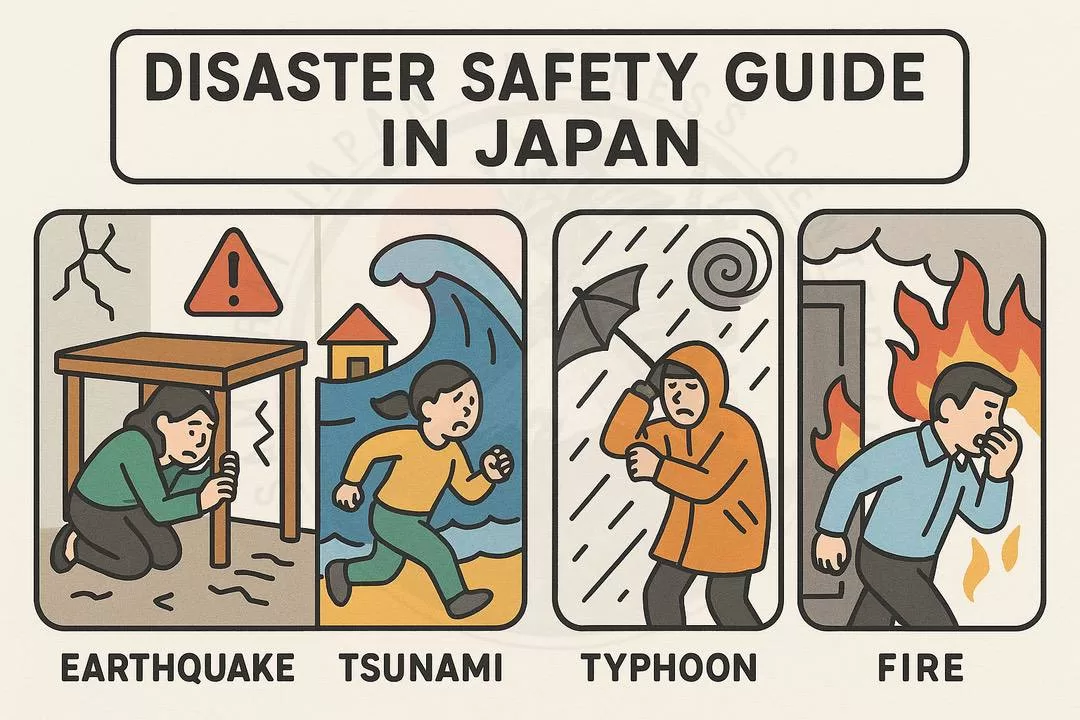
Starting Life in Japan? Your Essential Disaster Safety Guide 🇯🇵💡
Konnichiwa, future Japan adventurers! Are you dreaming of living, studying, or working in the beautiful land of the rising sun? Japan offers incredible experiences, from its rich culture and delicious food to its vibrant cities and stunning nature. However, just like any other place, it’s also important to be prepared for all aspects of life there – and that includes understanding and preparing for natural disasters. Don’t worry, though! Japan is one of the safest countries in the world, not just because of its low crime rate, but also because of its advanced disaster preparedness systems and resilient communities.
As your Japanese language teacher, my goal isn’t just to help you master Japanese, but also to equip you with the practical knowledge to live confidently and safely in Japan. This guide is designed specifically for you, our amazing Filipino learners, to help transform any anxieties about disasters into a sense of readiness and empowerment. Let’s dive in and make sure you’re well-prepared for anything that comes your way!
💡 Teacher’s Tip:
Many students feel overwhelmed when they hear about Japan’s earthquakes and typhoons. Remember, preparation is key, not panic! The more you know, the calmer and more effective you’ll be. Think of this as another important lesson in your journey to Japan!
Understanding Japan’s Natural Landscape and Risks 🌍
Japan is an archipelago located in a geologically active region. This means it experiences various natural phenomena. While this might sound daunting, it also means Japan has developed world-leading infrastructure and protocols to minimize risks. Knowing what to expect is the first step:
| Type of Disaster | What to Know | Key Japanese Term |
|---|---|---|
| Earthquakes | Frequent, but most are minor. Major ones can cause significant damage. Warnings often come via the J-Alert system. | 地震 (Jishin) |
| Typhoons | Occur mainly from late summer to autumn, bringing heavy rain and strong winds. Can cause flooding and landslides. | 台風 (Taifū) |
| Tsunamis | Giant ocean waves caused by underwater earthquakes. Coastal areas are at risk after strong offshore quakes. Always evacuate immediately if a tsunami warning is issued. | 津波 (Tsunami) |
| Heavy Snow | Common in northern Japan and mountainous regions during winter, can disrupt transportation and cause power outages. | 大雪 (Ōyuki) |
| Landslides / Flooding | Often a secondary effect of heavy rains from typhoons or prolonged downpours. | 土砂崩れ (Doshabure) / 洪水 (Kōzui) |
Before a Disaster: Preparation is Your Best Friend 🎉
The saying “An ounce of prevention is worth a pound of cure” is especially true in Japan. Being prepared can significantly reduce stress and danger. Here’s how:
1. Create Your Emergency Go-Bag (非常用持ち出し袋 – Hijō-yō Mochidashi-bukuro)
This is crucial! Keep it somewhere easily accessible (e.g., near your front door, under your bed). It should be light enough to carry if you need to evacuate.
-
✅ Essentials:
Water (3L per person for 3 days), non-perishable food (energy bars, canned goods), first-aid kit (bandages, antiseptic, painkillers, personal medications).
-
✅ Light & Communication:
Flashlight with extra batteries, battery-powered radio (for emergency broadcasts), power bank for phone charging.
-
✅ Personal Items:
Copy of important documents (passport, residence card), cash (small bills, as ATMs might be down), small towel, tissues, wet wipes, whistle, sturdy shoes.
-
✅ Comfort & Hygiene:
Emergency blanket, portable toilet (simple waste bag), personal hygiene items.
2. Know Your Evacuation Routes and Shelters (避難経路 – Hinan Keiro / 避難所 – Hinanjo)
Local governments provide maps of designated evacuation routes and shelters. These are usually public schools, community centers, or parks. Familiarize yourself with them immediately after moving to a new place.
💡 Teacher’s Tip:
Look for 「避難所」 (Hinanjo) signs in your neighborhood. Many cities have multilingual disaster maps available online or at city halls. Don’t be shy to ask your local ward office (区役所 – Kuyakusho) for information!
3. Establish a Communication Plan
During a major disaster, phone lines can be jammed. Decide on a meeting point with family/friends and an out-of-area contact. Japan has systems like NTT’s 「災害用伝言ダイヤル」(Saigai-yō Dengon Dial) (Disaster Message Dial, 171) where you can record and playback messages.
4. Download Disaster Apps and Stay Informed
Numerous apps provide real-time disaster alerts in multiple languages. Some popular ones include:
- Japan Meteorological Agency (JMA) App: Official source for earthquake, tsunami, and weather warnings.
- NHK World Japan Disaster Alerts: English language alerts and news.
- Google Public Alerts: Integrates various alerts, including J-Alert.
Also, follow your local municipality’s official social media accounts or sign up for their alert systems.
During a Disaster: Stay Calm and Act Decisively 🛑
When a disaster strikes, your immediate actions are crucial. Remember, Japanese people are incredibly disciplined during emergencies, which helps save lives. Follow their lead!
1. During an Earthquake (地震 – Jishin)
-
⚠️ Inside: DROP, COVER, HOLD ON!
Get under a sturdy table or desk. Protect your head and neck. Stay away from windows and tall furniture. Do NOT rush outside immediately – falling debris is a major risk.
-
⚠️ Outside:
Move to an open area, away from buildings, power lines, and falling objects. If driving, pull over safely and stay inside your car until the shaking stops.
-
⚠️ After the Shaking Stops:
Turn off gas and electricity if safe to do so. Check for injuries. Put on sturdy shoes. Follow instructions from authorities via radio/TV. Be prepared for aftershocks.
⚠️ Common Mistake Alert:
After the initial shaking, some people immediately run out of the building. This is dangerous! Wait for the shaking to fully stop, assess your surroundings, and then calmly proceed to evacuate if necessary, following designated routes. Also, avoid using elevators during or immediately after a quake.
2. During a Typhoon (台風 – Taifū) or Heavy Rain (大雨 – Ōame)
-
✅ Stay Indoors:
Remain inside, away from windows. Close and secure all doors and windows. Monitor weather updates.
-
✅ Watch for Flooding & Landslides:
If you live in a low-lying area or near a river/hillside, be extra vigilant. Evacuate early if advised by authorities.
-
✅ Prepare for Power Outages:
Charge your devices, have flashlights ready, and keep your emergency kit accessible.
3. During a Tsunami (津波 – Tsunami)
If you feel a strong earthquake, especially near the coast, or if you hear a J-Alert (全国瞬時警報システム – Zenkoku Shunji Keihō Shisutemu) warning about a tsunami, do not hesitate for a second:
-
⚠️ IMMEDIATELY EVACUATE TO HIGH GROUND!
Do not wait for visual confirmation of the wave. Do not go to the coast to watch. Move inland to higher ground as quickly as possible. Follow evacuation signs.
After a Disaster: Recovery and Support 💪
Once the immediate danger has passed, the recovery phase begins. This is where community spirit (助け合い – tasukeai) truly shines in Japan.
1. Stay Informed and Follow Instructions
Keep listening to your radio or checking official news sources (NHK, local government websites) for updates. Authorities will provide information on safe areas, water, food distribution, and medical aid.
2. Prioritize Safety and Health
Be aware of hazards like broken glass, fallen power lines, or structural damage. Avoid walking through floodwaters. Practice good hygiene to prevent illness.
3. Help Your Community (If You Can)
If you are able, offer assistance to neighbors, especially the elderly or those with disabilities. Remember, you are part of the community now!
4. Seek Support for Mental Well-being
It’s normal to feel stress or anxiety after a disaster. Don’t hesitate to talk to friends, family, or professionals if you need to. Japan has support systems in place.
Essential Japanese Phrases for Disaster Safety 🗣️
Knowing even a few key phrases can make a huge difference in an emergency. Practice these:
| Japanese Phrase | Pronunciation | Meaning / Usage |
|---|---|---|
| 助けてください! | Tasukete kudasai! | Help me! |
| 大丈夫ですか? | Daijōbu desu ka? | Are you okay? |
| どこに避難すればいいですか? | Doko ni hinan sureba ii desu ka? | Where should I evacuate to? |
| 水はありますか? | Mizu wa arimasu ka? | Do you have water? |
| 気分が悪いです。 | Kibun ga warui desu. | I feel unwell. |
| 警察 (Keisatsu) | Police (Dial 110) | Call for crime or accidents (not for disaster general info) |
| 消防 (Shōbō) / 救急車 (Kyūkyūsha) | Fire Department / Ambulance (Dial 119) | Call for fire or medical emergencies |
Final Encouragement from Your Teacher 🙏
Moving to a new country is a huge step, and it’s natural to have concerns about safety, especially when it comes to natural disasters. However, remember that Japan is at the forefront of disaster preparedness and response. With a little bit of preparation on your part, you can feel confident and secure.
Embrace this learning process as part of your journey to truly integrate into Japanese society. The resilience, preparedness, and community spirit you’ll witness and be a part of in Japan are truly inspiring. Don’t let fear hold you back from pursuing your dreams. Instead, let knowledge empower you! We at SAMURAI Japan Business Center Inc. are here to support you every step of the way, not just with language, but with practical advice for a fulfilling life in Japan. Ganbatte kudasai! You can do this! 🎉
Contact & Follow Us
お問い合わせ
📞 電話: +63 997 093 4550
📧 メール: samuraijapan.bc@gmail.com
🏠 住所: Room D3, Freb Bldg, Villa Donata Subd, Muntinlupa
🏢 会社名: SAMURAI Japan Business Center Inc.
SNSでフォロー
🎵 Tiktok: @samuraijapan0221
📸 Instagram: @samuraijapan.bc
▶️ Youtube: @SamuraiJapan-bc
📘 Facebook: Visit our Page

Leave a Reply