

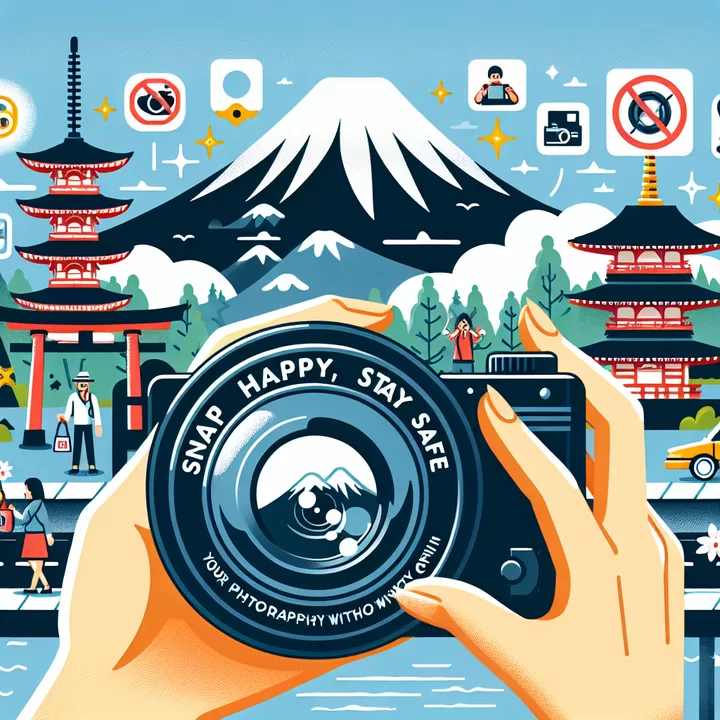
Snap Happy, Stay Safe: Your Japan Photography & Privacy Guide 🇯🇵📸
Konnichiwa, future residents and explorers of Japan! 👋 As your guide from the Japanese language school, I know how excited you are to immerse yourselves in Japan’s breathtaking beauty. From ancient temples to bustling cityscapes, and delicious food to unique fashion, every corner of Japan offers a photo opportunity. You’re probably already imagining all the amazing pictures you’ll take for your Instagram, Facebook, or just for cherished memories! 💖
However, Japan, with its deep respect for privacy and social harmony, has specific customs and unwritten rules about photography. Understanding these isn’t just about avoiding trouble; it’s about showing respect for the local culture and ensuring your trip is as smooth and enjoyable as possible. This guide will help you confidently capture Japan’s magic while always being considerate and safe!
💡 Teacher’s Tip:
Remember, photography in Japan is about appreciating the moment, not just snapping a picture. Sometimes, putting your phone away and just *being* in the moment can be the most rewarding experience. Your memories are the best photos!
Capturing the Beauty: General Photography Tips in Japan 🌸
Japan is incredibly photogenic, offering diverse scenery from serene gardens to futuristic cityscapes. You’ll find countless spots that call for your camera!
-
Landscapes & Architecture:
Feel free to snap away at iconic landmarks like Mount Fuji, Tokyo Tower, or historic castles. Public parks, gardens, and general streetscapes are usually fine. The key is to be mindful of your surroundings and not obstruct pathways or private property.
-
Food Photography (インスタ映え – Insta-bae):
Japanese food is a work of art! It’s perfectly acceptable, and even encouraged, to take photos of your meals before you eat. Many restaurants even design their dishes for “Insta-bae” (looking good on Instagram). However, avoid taking photos of other diners or the kitchen without permission.
-
Golden Hour & Blue Hour:
For truly magical shots, learn about the “golden hour” (just after sunrise or before sunset) and “blue hour” (just before sunrise or after sunset). These times offer soft, beautiful lighting that enhances any subject.
Respecting Privacy: The Golden Rules of Photography with People 🙏
This is arguably the most important section for any visitor. Japan places a high value on personal privacy, a concept known as 「肖像権」(shouzōken – portrait rights). It’s the right an individual has to control how their image is used. While it’s not always strictly enforced as a criminal law for tourists, violating it goes against Japanese etiquette and can lead to uncomfortable situations.
⚠️ Common Mistake Alert:
In some cultures, it’s common to take candid photos of interesting people in public. In Japan, this is generally not acceptable. Always assume you need permission before including identifiable people in your photos, especially if they are the main subject.
Key Principles for Photographing People:
-
Always Ask for Permission (声をかける – Koe o kakeru):
If you want to take a picture of someone, especially if they are the primary subject (like a geisha, a shopkeeper, or someone in traditional clothing), you must ask first. A simple bow and a polite request go a long way.
-
Avoid Candid Shots of Strangers:
Unless you’re in a very large crowd where individuals are indistinguishable, avoid taking photos of strangers without their knowledge or consent. This includes people walking on the street, sitting in parks, or even eating in restaurants.
-
Children’s Privacy is Paramount:
Be extremely careful when taking photos around children. Parents in Japan are very protective of their children’s privacy. Never take photos of children without their parents’ explicit permission.
-
When in Doubt, Don’t:
If you’re unsure whether it’s okay to take a photo, it’s always best to err on the side of caution and refrain. Focus on the scenery or inanimate objects instead.
Useful Phrases for Asking Permission
| Japanese Phrase | Romaji | Meaning |
|---|---|---|
| 写真、撮ってもいいですか? | Shashin, totte mo ii desu ka? | May I take a photo? (General) |
| すみません、写真を撮らせていただけますか? | Sumimasen, shashin o torasete itadakemasu ka? | Excuse me, could I please take a photo? (More polite) |
| ありがとうございます。 | Arigatou gozaimasu. | Thank you very much. (After they say yes) |
| ごめんなさい。 | Gomen nasai. | I’m sorry. (If you accidentally took a photo or were refused) |
Navigating Sacred Spaces & Specific Locations 🏯🛍️
Different locations have different rules. Always look for signage, and if you’re unsure, observe what others are doing.
💡 Cultural Insight:
Many photography restrictions, especially in religious sites or museums, are not just about privacy but also about preserving the atmosphere, respecting sacred objects, or protecting delicate artifacts from flash photography. It’s a sign of reverence.
-
Temples and Shrines:
Many areas within temples and shrines are open for photography, especially the beautiful grounds. However, the interior of main halls or areas where rituals are performed are often strictly no-photo zones. Look for signs (よく見る – Yoku miru) indicating “No Photography” (撮影禁止 – Satsuei kinshi) or “No Flash” (フラッシュ禁止 – Furasshu kinshi). It’s also respectful to avoid taking photos during prayer times or ceremonies.
-
Museums & Galleries:
Policies vary widely. Some allow photography without flash for personal use, others ban it entirely, and some allow it only in specific areas. Always check the entrance signs or ask staff. Flash photography is almost universally prohibited to protect artworks.
-
Shops & Restaurants:
While food photography is common, taking photos of a shop’s interior, products on shelves, or the staff can be seen as intrusive. If you want to capture the atmosphere, politely ask for permission (例: 「お店の写真を撮ってもいいですか?」 – Omise no shashin o totte mo ii desu ka? – May I take a picture of the shop?).
-
Public Transportation:
Taking photos of train stations or the exterior of trains is generally fine. However, taking photos of other passengers inside trains or buses is highly discouraged and considered disrespectful due to privacy concerns. Be mindful of announcements and general etiquette (e.g., no talking loudly on the phone, keep bags out of aisles).
-
At Events & Festivals:
During festivals (祭り – Matsuri) or public events, people are often more relaxed about being photographed. However, it’s still best to be discreet and avoid singling out individuals without permission. Be especially careful around performers or participants who might be in character.
The Digital Landscape: Social Media & Sharing 📱
You’ve taken amazing photos, now you want to share them with your friends and family back home! This is where you need to apply the privacy rules even more carefully.
Before posting photos online, especially if they include people:
-
Review Your Photos:
Check if any identifiable individuals are prominently featured without their explicit consent. This includes faces, unique clothing, or even distinguishing features like tattoos that could identify someone.
-
Blur or Crop:
If you have a fantastic shot of a landscape but someone’s face is clearly visible, consider blurring their face or cropping them out. Most photo editing apps have simple blurring tools.
-
Tagging & Geo-tagging:
Never tag someone in a photo without their permission. Be cautious with geo-tagging, especially if you’re visiting someone’s home or a private establishment. Not everyone wants their location shared publicly.
-
Think Before You Post:
Once something is online, it’s hard to take it back. A quick moment of consideration can save you from inadvertently disrespecting someone’s privacy.
Dealing with Drones & Advanced Photography 🚁
Drones offer incredible aerial perspectives, but Japan has very strict regulations regarding their use. If you plan to bring a drone, be aware of the following:
-
No-Fly Zones (飛行禁止区域 – Hikō kinshi kuiki):
Drones are generally prohibited in densely populated areas, over major event venues, near airports, and in many national parks or sensitive cultural sites. This covers most of central Tokyo and other major cities.
-
Permits Required (許可が必要 – Kyoka ga hitsuyō):
For most uses, especially in urban areas or for commercial purposes, you will need to obtain a permit from the Ministry of Land, Infrastructure, Transport and Tourism (MLIT). This process can be complex and requires understanding Japanese regulations.
-
Privacy & Safety:
Even if you have a permit, all the aforementioned privacy rules apply. You cannot fly a drone over private property without consent, or use it to capture identifiable images of people without their permission. Safety is paramount; drones must be flown responsibly to avoid accidents.
⚠️ Serious Consequences:
Violating drone laws in Japan can lead to significant fines, confiscation of your drone, and even arrest. It’s crucial to research thoroughly and comply with all regulations before flying a drone.
Embrace the Experience, Snap Safely! 🎉
Your journey to Japan is a dream come true, and capturing those moments through photography is a wonderful way to remember it. By understanding and respecting Japan’s approach to privacy and public etiquette, you’re not just being a good tourist; you’re becoming a more informed and culturally sensitive individual, ready for your new life in Japan.
Think of these guidelines not as restrictions, but as opportunities to deepen your understanding of Japanese culture. Being mindful of your surroundings and the people in it will not only prevent misunderstandings but also enrich your overall experience. You’ll find that Japanese people deeply appreciate those who make an effort to respect their customs.
So go ahead, explore, learn, and snap happy! Your adventure awaits, and with this knowledge, you’re all set to make it a respectful and memorable one. Gambatte kudasai! (Good luck!)
Contact & Follow Us
お問い合わせ
📞 電話: +63 997 093 4550
📧 メール: samuraijapan.bc@gmail.com
🏠 住所: Room D3, Freb Bldg, Villa Donata Subd, Muntinlupa
🏢 会社名: SAMURAI Japan Business Center Inc.
SNSでフォロー
🎵 Tiktok: @samuraijapan0221
📸 Instagram: @samuraijapan.bc
▶️ Youtube: @SamuraiJapan-bc
📘 Facebook: Visit our Page

Leave a Reply