

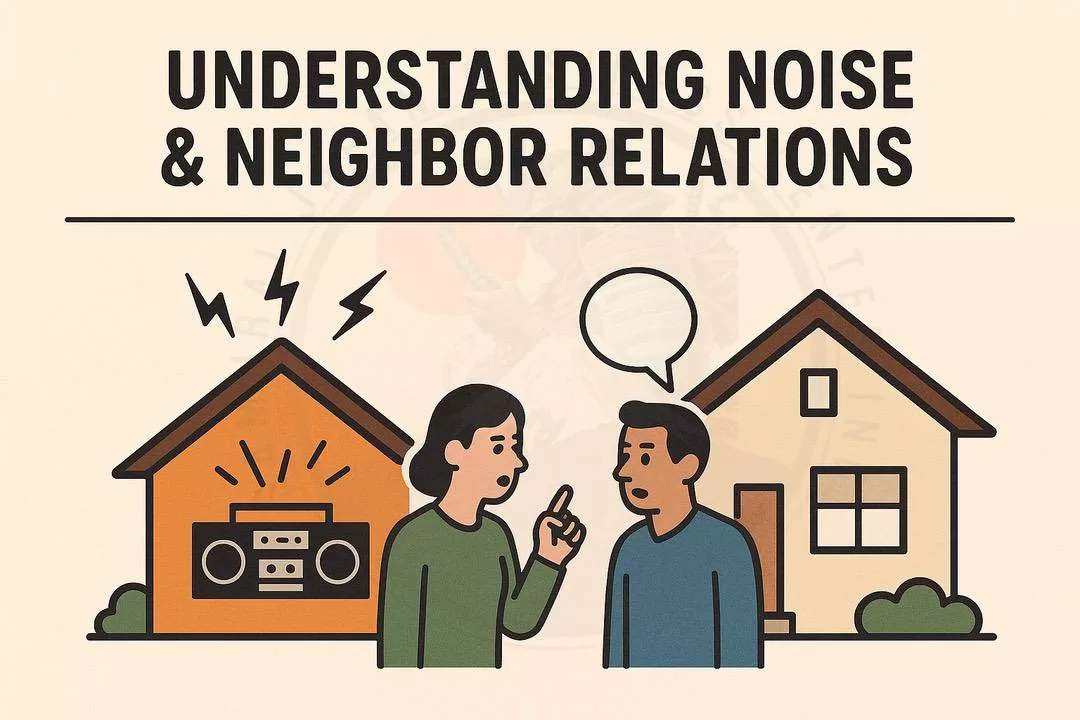
Japan’s Unspoken Rules: Understanding Noise & Neighbor Relations 🤫🇯🇵
Kon’nichiwa, future residents of Japan! Are you dreaming of experiencing life in the Land of the Rising Sun? Whether it’s for studying, working, or simply embracing a new adventure, understanding Japanese culture and etiquette is key to a smooth and enjoyable transition. As your language teacher, I often see students focus heavily on grammar and vocabulary – which is fantastic! – but sometimes overlook the vital “unspoken rules” that govern daily life in Japan.
Today, let’s dive into a topic that might seem simple, but is incredibly important for harmonious living: noise and neighbor relations. In Japan, these aspects are taken very seriously, and understanding them will not only help you avoid misunderstandings but also build positive relationships within your new community. Let’s learn how to blend in seamlessly and live comfortably!
Why Noise and Neighbor Relations are So Important in Japan 💡
You might be wondering, “Why is noise such a big deal?” In Japan, the concept of 「迷惑」(meiwaku) is deeply ingrained in society. Meiwaku essentially means “causing trouble or inconvenience to others.” Japanese society highly values harmony (和, wa) and considers it impolite to disturb the peace or infringe upon others’ personal space, especially in shared living environments like apartments (アパート, apaato) or condominiums (マンション, manshon).
Unlike some cultures where a certain level of ambient noise is expected or tolerated, in Japan, quietness is often preferred, particularly in residential areas and during specific hours. Filipino households, known for their warmth and lively gatherings, might find this a significant adjustment. In Japan, loud conversations, music, or even everyday activities can be perceived as disruptive if they extend beyond your own four walls.
💡 Teacher’s Tip: Understanding 「迷惑」(Meiwaku)
The concept of Meiwaku (迷惑) extends beyond just noise. It also applies to things like blocking pathways, not following garbage rules, or even strong cooking smells permeating into shared hallways. Always consider how your actions might affect those around you. When in doubt, err on the side of caution and quietness.
Common Sources of Noise & How to Be a Considerate Neighbor ✅
Many daily activities we consider normal can be sources of noise in a Japanese apartment building, especially if the walls are thin (which is often the case!). Here’s a breakdown of common noise culprits and practical tips:
Noise Sources and Solutions in Japanese Living
| Noise Source | Why it’s an Issue | Filipino Learner Tip / Solution |
|---|---|---|
| 1. Footsteps & Dropped Items | Especially loud from upper floors, can be disruptive below. | Wear slippers (スリッパ, surippa) indoors. Avoid running or heavy walking, especially at night. |
| 2. Laundry Machine Use | Vibrations and spinning sounds can travel through walls. | Adhere to designated laundry hours (often 7 AM – 9 PM). Avoid late-night or early-morning washes. |
| 3. Showering & Bathing | Water sounds and pipes can be noisy in quiet hours. | Try to shower before 10 PM. If you must shower late, do so quickly and quietly. |
| 4. TV, Music, Conversations | Loud volume, especially bass, travels easily. Filipino families often have lively conversations! | Use headphones for TV/music after 9 PM. Keep voices down. Avoid shouting or loud laughter, especially when guests are over. |
| 5. Children Playing & Pets | Children’s playful noise and pet sounds (barking, running) are common concerns. | If you have children, encourage quiet play indoors, especially in evenings. For pets, train them not to bark excessively. Some buildings have strict pet rules, so check beforehand! |
| 6. Moving Furniture / DIY | Can create very loud, sudden noises. | Always do this during daytime hours (e.g., 9 AM – 6 PM). Inform your landlord/building management if you plan major work. |
Essential Japanese Phrases for Neighborly Communication 👋
Language is your bridge! Knowing a few simple phrases can make a huge difference in building good neighborly relations. Here are some essential phrases:
-
「おはようございます」(Ohayō gozaimasu) –
Good morning. Use this every day when you see your neighbors. A smile and a simple greeting go a long way!
-
「こんにちは」(Konnichiwa) –
Good afternoon/hello. For daytime greetings.
-
「こんばんは」(Konbanwa) –
Good evening. For evening greetings.
-
「すみません」(Sumimasen) –
Excuse me/I’m sorry. This is a versatile phrase. Use it if you accidentally bump into someone, or if you feel you might have caused a slight inconvenience.
-
「ご迷惑をおかけして申し訳ありません」(Gomeiwaku wo okake shite mōshiwake arimasen) –
I am truly sorry for causing you trouble/inconvenience. This is a very formal and sincere apology. Use this if you are directly confronted about a noise issue, or if you want to proactively apologize after a noisy event (like having guests).
-
「これからもよろしくお願いします」(Kore kara mo yoroshiku onegai shimasu) –
Please continue to treat me favorably (lit. “Please keep me in your good care from now on”). This is a polite way to ask for continued good relations. Excellent to say when moving in, or after an apology.
-
「お邪魔します」(Ojama shimasu) –
Excuse my intrusion. Use this when you are entering someone’s home.
-
「おじゃましました」(Ojama shimashita) –
Thank you for having me. Use this when you are leaving someone’s home.
💡 Teacher’s Tip: The Power of 「よろしくお願いします」(Yoroshiku Onegai Shimasu)
You’ll hear 「よろしくお願いします」(Yoroshiku onegai shimasu) everywhere in Japan. It doesn’t have a direct English translation, but it conveys a deep sense of “please treat me kindly,” “I look forward to working with you,” or “please take care of me.” When you move in, introducing yourself with a small gift (手土産, temiyage) and saying this phrase will set a wonderful first impression with your new neighbors!
Building Good Relationships with Your Neighbors 🥰
Beyond avoiding noise, there are proactive steps you can take to foster positive relationships with your Japanese neighbors. These gestures, though seemingly small, are highly valued.
-
Initial Greetings (引越し蕎麦, Hikkoshi Soba / 手土産, Temiyage):
When you move in, it’s customary to visit your immediate neighbors (next door, above, and below) within a few days of moving. Bring a small gift, like a box of individually wrapped sweets, instant coffee, or even towels. Traditionally, this was soba noodles (hence Hikkoshi Soba), but any small, consumable gift is fine. Introduce yourself, state your name and apartment number, and say 「これからよろしくお願いします」(Kore kara yoroshiku onegai shimasu). This gesture shows respect and acknowledges your presence in the community.
-
Daily Greetings (挨拶, Aisatsu):
Make eye contact and offer a polite greeting (Ohayō gozaimasu, Konnichiwa, Konbanwa) whenever you see your neighbors. Even a nod and a smile are appreciated. This consistent, small interaction helps build familiarity and trust over time.
-
Observe and Adapt:
Pay attention to your neighbors’ habits. Do they go to bed early? Are they very quiet? Observing their lifestyle can give you clues on how to adjust your own. For example, if you notice everyone is out by 7 AM, you know early morning noise might be an issue.
-
Participate in Community Activities (if applicable):
Some apartments or neighborhoods have occasional cleaning days (掃除当番, sōji tōban) or local festivals (お祭り, omatsuri). Participating, even if just for a short time, shows you are willing to be part of the community. This is a great way to meet people and practice your Japanese!
What to Do if There’s a Problem (Diplomatic Approaches) 🤝
Even with the best intentions, issues can arise. How you handle them is crucial in Japan. Direct confrontation is almost always avoided, as it can cause significant discomfort and damage relationships.
-
Self-Reflection First:
Before assuming your neighbor is the problem, reflect on your own habits. Have you been unintentionally noisy? Are you following all building rules, especially regarding garbage disposal (燃えるゴミ, moeru gomi – burnable trash, 燃えないゴミ, moenai gomi – non-burnable trash, プラスチック, purasuchikku – plastic, etc.)? Not following garbage rules can also lead to neighbor complaints.
-
Approach Your Landlord or Building Management:
If you are experiencing noise from a neighbor, or if a neighbor approaches you with a complaint, the first and best course of action is almost always to involve your landlord (大家さん, ooya-san) or the building management company (管理会社, kanri gaisha). They are the intermediaries. They can send out general notices about noise rules to all residents, which avoids direct conflict and allows both parties to save face.
-
If You Need to Apologize:
If you are informed of a noise complaint against you, accept it gracefully. Visit your landlord or even the neighbor (if you feel comfortable and it’s a minor issue) with a small gift and a sincere apology: 「この間はご迷惑をおかけして、本当に申し訳ありませんでした。」(Kono aida wa gomeiwaku wo okake shite, hontō ni mōshiwake arimasen deshita.) – “I am truly sorry for causing you inconvenience the other day.” This humble approach can mend fences quickly.
⚠️ Common Mistake Alert: Direct Confrontation
For Filipinos, direct discussion might seem like the natural way to resolve issues. However, in Japan, directly approaching a neighbor to complain about noise is highly unusual and can be seen as aggressive or impolite. It can cause immense discomfort and potentially escalate the situation. Always go through your landlord or management first!
Embrace the Quiet and Enjoy the Harmony 🎉
Adjusting to Japan’s unspoken rules, especially concerning noise and neighbor relations, is a significant step towards a fulfilling life there. It’s not about stifling your personality, but about understanding and respecting the cultural values that prioritize community harmony and consideration for others. Think of it as an exciting challenge that will deepen your understanding of Japan.
By being mindful of your noise levels, practicing polite greetings, and understanding the concept of meiwaku, you’ll not only avoid potential conflicts but also earn the respect and goodwill of your neighbors. This mutual respect is the foundation of a comfortable and enjoyable life in Japan.
You’ve got this, future Japan residents! Keep learning, keep observing, and keep an open heart. Your dream life in Japan is within reach, and being a good neighbor is just one of the many wonderful ways you’ll become part of its vibrant society. Ganbatte kudasai! (Good luck!)
Contact & Follow Us
お問い合わせ
📞 電話: +63 997 093 4550
📧 メール: samuraijapan.bc@gmail.com
🏠 住所: Room D3, Freb Bldg, Villa Donata Subd, Muntinlupa
🏢 会社名: SAMURAI Japan Business Center Inc.
SNSでフォロー
🎵 Tiktok: @samuraijapan0221
📸 Instagram: @samuraijapan.bc
▶️ Youtube: @SamuraiJapan-bc
📘 Facebook: Visit our Page

Leave a Reply