

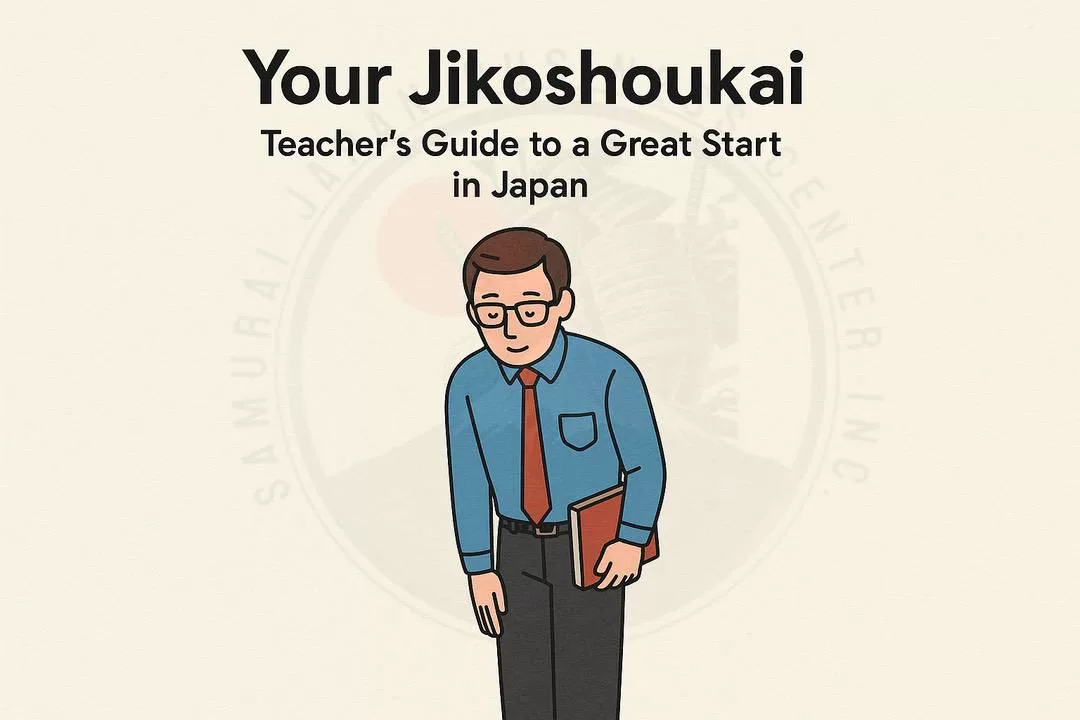
Your Jikoshoukai: Teacher’s Guide to a Great Start in Japan
Hello, future Japan adventurers! 🇯🇵 As your language teacher, I know how exciting and a little bit nerve-wracking it can be to prepare for a new life in Japan. One of the very first things you’ll do, whether you’re enrolling in school, joining a community group, or just meeting new friends, is introduce yourself. In Japanese, this is called 自己紹介 (Jikoshoukai). It’s more than just saying your name; it’s your first step towards connecting with people and truly feeling at home.
Today, we’re going to dive deep into mastering your Jikoshoukai. I’ll share practical phrases, cultural insights, and tips specifically for Filipino learners. My goal is to equip you with the confidence to make a fantastic first impression!
Why Your Jikoshoukai is Your First Impression in Japan 🇯🇵
Think of your Jikoshoukai as your personal key to opening doors in Japan. In Japanese culture, first impressions are incredibly important, and a well-prepared introduction shows respect, politeness, and a willingness to engage. Unlike some cultures where you might jump straight into conversation, a proper Jikoshoukai sets the tone for future interactions.
💡 Teacher’s Tip:
Japanese people appreciate sincerity and effort. Even if your Japanese isn’t perfect, showing that you’ve prepared your Jikoshoukai goes a long way. It demonstrates your respect for their language and culture, which is a big plus!
The Essential Building Blocks of a Japanese Self-Introduction (Jikoshoukai) ✅
A basic Jikoshoukai usually follows a simple, yet effective, structure. Let’s break it down into key components that you can easily remember and customize.
Your Basic Jikoshoukai Structure
| Component | Japanese Phrase | Meaning / Notes |
|---|---|---|
| 1. Greeting | はじめまして。 Hajimemashite. |
“Nice to meet you (for the first time).” This phrase is essential for first introductions. |
| 2. Name | (Your Name)です。 (Your Name) desu. |
“I am (Your Name).” You can also add 私は (watashi wa) for emphasis, but it’s often omitted. |
| 3. Origin | フィリピンから来ました。 Firipin kara kimashita. |
“I came from the Philippines.” A simple and polite way to state your nationality. |
| 4. Purpose/Context | 日本語を勉強しています。 Nihongo wo benkyou shiteimasu. |
“I am studying Japanese.” Or something like “日本の文化に興味があります” (Nihon no bunka ni kyoumi ga arimasu – I’m interested in Japanese culture). |
| 5. Closing | どうぞよろしくお願いします。 Douzo yoroshiku onegaishimasu. |
This phrase is hard to translate directly but means something like “Please treat me well,” “I look forward to working with you,” or “Nice to meet you.” It’s a versatile and polite closing. |
Putting it all together, a simple Jikoshoukai for you might sound like this:
🗣️ Example:
はじめまして。
(Your Name)です。
フィリピンから来ました。
日本語を勉強しています。
どうぞよろしくお願いします。
Mastering the Art of Introduction: Beyond the Basics 💡
Once you’re comfortable with the basic structure, you can start adding a little more personality to your Jikoshoukai. This is where you can truly connect with people by sharing more about yourself, but remember to keep it concise and relevant to the situation.
Here are some phrases you can add:
-
Hobbies/Interests:
趣味は(shumi wa) (your hobby)です。
(Example: 趣味は料理です。 – My hobby is cooking.) -
Things you like:
(something you like)が好きです。(ga suki desu)
(Example: アニメが好きです。 – I like anime.) -
Your goal in Japan (general terms):
日本の文化を体験したいです。
Nihon no bunka wo taiken shitai desu. (I want to experience Japanese culture.)日本の生活を楽しみたいです。
Nihon no seikatsu wo tanoshimitai desu. (I want to enjoy life in Japan.)
⚠️ Important Note:
While it’s good to share, avoid going into overly personal details or discussing sensitive topics like salary expectations or specific job applications during a general introduction. Keep it light, positive, and focused on cultural exchange or learning.
Common Pitfalls and How Filipino Learners Can Avoid Them ⚠️
As a teacher, I’ve noticed a few common areas where Filipino learners might stumble. No worries, we’ll tackle them together!
⚠️ Common Mistake Alert: R/L Sounds
Filipino English speakers often use a single “l” sound for both “r” and “l”. In Japanese, the “r” sound (like in “ラーメン” – ramen or “ありがとう” – arigatou) is unique. It’s a flick of the tongue against the roof of your mouth, somewhere between an English ‘r’, ‘l’, and ‘d’.
Teacher’s Advice: Listen intently to native speakers. Focus on words like 「ラーメン」 and 「リラックス」. Practice making the sound by quickly tapping your tongue behind your upper front teeth. It takes time, but consistent practice makes a huge difference!
⚠️ Common Mistake Alert: Long Vowels
In Japanese, vowel length can change a word’s meaning. For example, 「おばさん」(obasan – aunt) vs. 「おばあさん」(obaasan – grandmother). Or 「おじさん」(ojisan – uncle) vs. 「おじいさん」(ojiisan – grandfather).
Teacher’s Advice: Pay close attention to double vowels (aa, ii, uu, ee, oo) and lengthen them. When you see a macron (ō) or a double vowel in romaji, hold that sound for an extra beat. This is crucial for clear communication.
⚠️ Cultural Misunderstanding: Over-sharing or Under-sharing
Some Filipinos are naturally very expressive and might share a lot of personal details quickly. In Japan, it’s generally better to be a bit more reserved at first. On the other hand, some might be too shy to speak at all. Find a balance!
Teacher’s Advice: For your Jikoshoukai, stick to the basics and a few safe, positive interests. Let the conversation flow naturally afterward, and share more as you build rapport.
Your Jikoshoukai in Action: Practice Makes Perfect! 🎉
Knowing the phrases is one thing; speaking them confidently is another. Here’s how you can make your Jikoshoukai truly shine:
-
Practice Aloud, Every Day:
Say your Jikoshoukai out loud multiple times a day. Practice in front of a mirror. Get comfortable with the sounds and rhythm.
-
Record Yourself:
Use your phone to record your voice. Listen back critically. Do you sound natural? Are your vowels long enough? Is your “r” sound correct?
-
Find a Language Partner:
If possible, practice with a Japanese speaker or another learner. They can give you valuable feedback.
-
Memorize, Don’t Read:
While it’s good to have notes, aim to deliver your Jikoshoukai from memory. This makes you appear more confident and sincere.
-
Bowing:
A slight bow (around 15-30 degrees) at the beginning and end of your Jikoshoukai is a polite gesture in Japan. It shows respect and sincerity. Observe how Japanese people bow in different situations and try to mimic them.
💡 Teacher’s Tip: Embrace the Imperfection!
Don’t aim for perfection right away. Aim for communication. It’s okay to make mistakes; that’s how we learn! The most important thing is to try and to keep practicing. Japanese people are often very understanding and encouraging when foreigners try to speak their language.
✨ Cultural Insight: Listening is Key
After you introduce yourself, be prepared to listen. Japanese communication often involves a lot of active listening and acknowledging what the other person says. Show genuine interest in their response, even if you only understand a few words.
Conclusion: Your Journey Starts with a Smile and a Jikoshoukai! 🎉
Learning Japanese and preparing for life in Japan is a big adventure, and your Jikoshoukai is your very first step in making meaningful connections. Remember, it’s not just about the words; it’s about the respect, sincerity, and warmth you convey. Filipinos are known for their hospitality and warmth, and when combined with respectful Japanese cultural practices, you’ll be unstoppable!
Keep practicing, stay curious, and don’t be afraid to put yourself out there. Every Jikoshoukai is an opportunity to learn, grow, and make a new friend. I believe in you! Gambatte kudasai! (Good luck!)
Contact & Follow Us
お問い合わせ
📞 電話: +63 997 093 4550
📧 メール: samuraijapan.bc@gmail.com
🏠 住所: Room D3, Freb Bldg, Villa Donata Subd, Muntinlupa
🏢 会社名: SAMURAI Japan Business Center Inc.
SNSでフォロー
🎵 Tiktok: @samuraijapan0221
📸 Instagram: @samuraijapan.bc
▶️ Youtube: @SamuraiJapan-bc
📘 Facebook: Visit our Page

Leave a Reply