

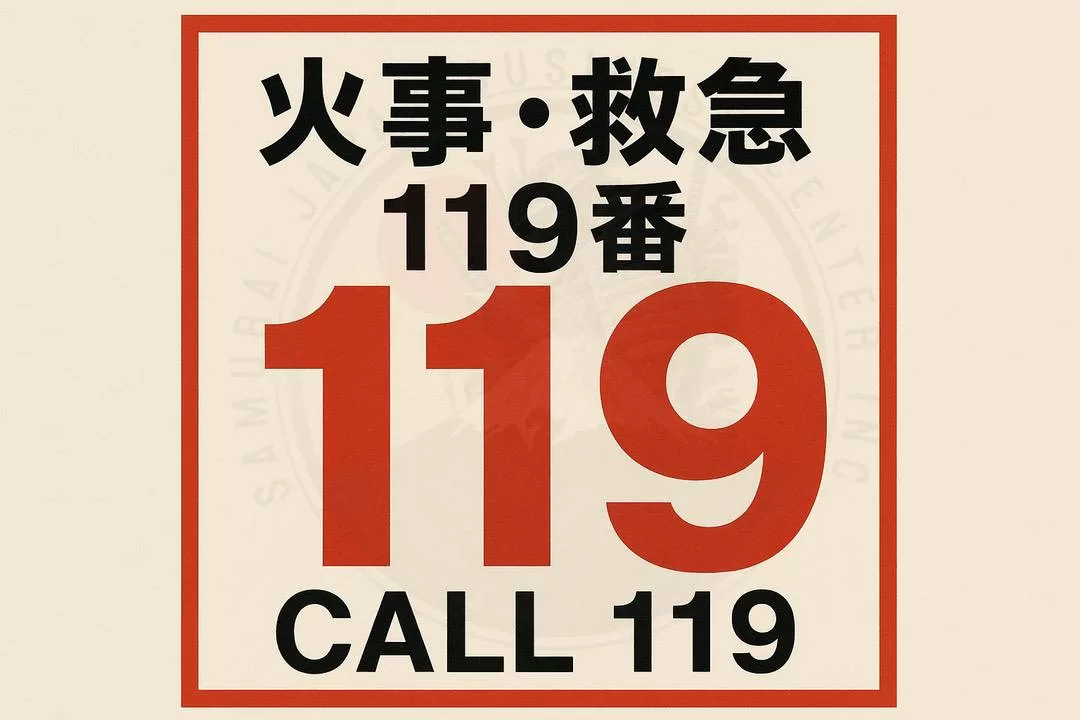
Japan’s 119: Your Emergency Guide 🇯🇵
Konnichiwa, aspiring residents of Japan! Living in a new country is an exciting adventure, full of new experiences, delicious food, and beautiful sights. As you prepare for your dream life in Japan, it’s natural to think about all the wonderful things you’ll encounter. But a truly prepared individual also knows how to handle unexpected situations, especially emergencies. That’s why today, we’re going to talk about a crucial number you absolutely need to know: 119 (Hyaku-jū-kyū).
Just like 911 in the Philippines or other countries, 119 is Japan’s dedicated emergency number for serious situations. Understanding when and how to use it can be a lifesaver. Don’t worry if your Japanese isn’t perfect yet – this guide will break down everything you need to know in a clear, easy-to-understand way, making you feel confident and prepared. Let’s dive in! 🎉
Why 119 is Your Lifeline in Japan 🇯🇵
In Japan, the number 119 is your direct line to emergency services for two critical situations:
- Fire (火事 – Kaji): If you see a fire, smell smoke, or suspect a fire is starting.
- Ambulance (救急 – Kyūkyū): For medical emergencies, serious injuries, or sudden severe illness that requires immediate medical attention.
The Japanese emergency services are known for their efficiency and professionalism. When you call 119, you’ll be connected to a dispatcher who will quickly assess your situation and dispatch the appropriate help. It’s vital to remember that 119 is strictly for emergencies. Misusing this number can delay help for others who truly need it.
💡 Teacher’s Tip: Don’t Hesitate to Call!
Many Filipino learners worry about their Japanese language skills in an emergency. However, your safety and the safety of others are paramount. Even if you only know a few basic words, try your best. Emergency dispatchers often have access to interpretation services or staff who can speak English. Your effort to call is what matters most!
When to Call 119: Understanding Emergencies 🚨
Knowing when to dial 119 is crucial. Here are common scenarios for both fire and medical emergencies:
Emergency Scenarios and Key Terms
| Type of Emergency | When to Call 119 | Key Japanese Terms |
|---|---|---|
| Fire (火事 – Kaji) |
|
火事です! (Kaji desu!) – It’s a fire! 煙が出ています。 (Kemuri ga dete imasu.) – There’s smoke. 〇〇が燃えています。 (〇〇 ga moete imasu.) – 〇〇 is burning. |
| Medical (救急 – Kyūkyū) |
|
救急車をお願いします。 (Kyūkyūsha o onegaishimasu.) – Please send an ambulance. 意識がありません。 (Ishiki ga arimasen.) – They are unconscious. 怪我をしました。 (Kega o shimashita.) – I/They got injured. 息ができません。 (Iki ga dekimasen.) – I/They can’t breathe. |
What to Say: Essential Japanese Phrases for 119 Calls 🗣️
When you call 119, try to stay as calm as possible. The dispatcher will ask you a few key questions. Here’s a breakdown of what to expect and the Japanese phrases you can use:
-
Identify the Emergency:
When the operator answers, clearly state whether it’s a fire or a medical emergency. They might answer with 「はい、119番、火事ですか、救急ですか?」(Hai, Hyaku-jū-kyū-ban, Kaji desu ka, Kyūkyū desu ka?) – “Hello, 119, is it a fire or an ambulance?”
- For fire: 火事です! (Kaji desu!) – It’s a fire!
- For ambulance: 救急です! (Kyūkyū desu!) or 救急車をお願いします。(Kyūkyūsha o onegaishimasu.) – It’s an emergency! / Please send an ambulance.
-
State Your Location:
This is the most critical information. Be as precise as possible. They will ask 「場所はどちらですか?」 (Basho wa dochira desu ka?) – “Where is the location?”
- If you know your address: 〇〇区〇〇町〇丁目〇番〇号です。 (〇〇-ku 〇〇-chō 〇-chōme 〇-ban 〇-gō desu.) – My address is [Your Address].
- If you are unsure but know a landmark: 〇〇駅の近くです。(〇〇 eki no chikaku desu.) – It’s near 〇〇 station.
- If calling from a public phone or don’t know the exact address: Try to describe major intersections, buildings, or unique features.
-
Describe the Situation:
Explain briefly what happened. They might ask 「どうしましたか?」 (Dō shimashita ka?) – “What happened?”
- For fire: アパートが燃えています。 (Apāto ga moete imasu.) – The apartment is burning.
- For injury: 人が倒れています。 (Hito ga taorete imasu.) – Someone has collapsed.
- For severe pain: 胸がとても痛いです。 (Mune ga totemo itai desu.) – My chest hurts very much.
- If you need an English speaker: 英語を話せる人はいませんか? (Eigo o hanaseru hito wa imasen ka?) – Is there anyone who can speak English?
-
Provide Your Name and Contact Number:
They will ask for your name and the number you are calling from. 「お名前と電話番号を教えてください。」 (O-namae to denwa bangō o oshiete kudasai.) – “Please tell me your name and phone number.”
- 私の名前は〇〇です。 (Watashi no namae wa 〇〇 desu.) – My name is 〇〇.
- 電話番号は〇〇です。 (Denwa bangō wa 〇〇 desu.) – My phone number is 〇〇.
⚠️ Common Mistake Alert: Don’t Hang Up Too Early!
Even after you’ve given all the information, the dispatcher might have follow-up questions or instructions. Do NOT hang up until the operator tells you to. They might need to confirm your location or provide first-aid advice while help is on the way.
What Happens After You Call? The Process Explained 📞
Once you’ve made the call, the dispatcher will send out the nearest fire trucks or ambulances. Here’s what typically happens next:
- Confirmation and Dispatch: The operator will confirm the details and dispatch the emergency services immediately. They may keep you on the line to gather more information or give you instructions.
- Arrival of Services: Depending on your location and traffic, emergency vehicles will arrive swiftly. They are easily identifiable by their sirens and markings.
- Providing Further Information: When the fire department or paramedics arrive, be ready to provide them with the same information you gave the dispatcher, and any other relevant details about the situation. If possible, have your ID ready, especially for medical emergencies.
- Cooperation: Follow their instructions carefully. They are highly trained professionals who know how to handle the situation efficiently and safely.
Key Information to Have Ready for Emergency Services
| Information Category | Details to Provide |
|---|---|
| Your Identity | Name, relationship to the victim (if any), your phone number. |
| Location | Exact address (building name, room number), nearby landmarks. |
| Situation Details (Medical) | Who is affected? What happened? Symptoms? Any pre-existing conditions? Medications? Any allergies? (e.g., アレルギーがあります – Arerugī ga arimasu – I have allergies.) |
| Situation Details (Fire) | What is burning? Are there people trapped? Any dangerous materials? |
Other Important Emergency Numbers & Preparation Tips 💡
While 119 is for fire and medical emergencies, there’s another crucial number:
-
110 (Hyaku-tō): This is Japan’s police emergency number. Call 110 for crimes, accidents without injury, or suspicious activities.
例 (Rei): 「泥棒です!」(Dorobō desu!) – It’s a robbery! / 「事故です!」(Jiko desu!) – It’s an accident!
Being prepared is the best defense. Here are some tips:
- Learn Your Address in Japanese: Practice saying your full address clearly. Write it down on a card and keep it in your wallet or phone case.
- Carry Identification: Always have your Residence Card (在留カード – Zairyū Kādo) with you.
- Emergency Contact List: Keep a list of emergency contacts (family, friends, language school, embassy) readily accessible.
- Basic First Aid Knowledge: Knowing basic first aid can make a difference while waiting for help.
- Emergency Kit: For larger-scale disasters (like earthquakes), have an emergency kit ready with water, non-perishable food, a flashlight, and a portable charger.
🌸 Cultural Insight: Politeness Even in Emergencies
Even in a high-stress situation, maintaining a polite and respectful tone can go a long way in Japan. While you don’t need to use keigo (honorifics) perfectly, try to use polite forms like 「です」(desu) and 「ます」(masu) and remember to say 「お願いします」(onegaishimasu – please) and 「ありがとうございます」(arigatō gozaimasu – thank you) when appropriate.
Stay Calm, Stay Safe, Stay Prepared! ✅
Learning Japanese and preparing for life in Japan goes beyond just grammar and vocabulary. It also means understanding how to navigate daily life, including handling emergencies. Knowing about 119 is a fundamental part of being a responsible and safe resident in Japan.
While we hope you never have to use these numbers, being informed gives you confidence and peace of mind. Remember, your journey to Japan is about embracing new experiences, but also about being well-equipped for any situation. You’ve got this, future Japan residents! Keep studying, keep preparing, and look forward to a fulfilling life in the Land of the Rising Sun! Ganbatte kudasai! 🎉
Contact & Follow Us
お問い合わせ
📞 電話: +63 997 093 4550
📧 メール: samuraijapan.bc@gmail.com
🏠 住所: Room D3, Freb Bldg, Villa Donata Subd, Muntinlupa
🏢 会社名: SAMURAI Japan Business Center Inc.
SNSでフォロー
🎵 Tiktok: @samuraijapan0221
📸 Instagram: @samuraijapan.bc
▶️ Youtube: @SamuraiJapan-bc
📘 Facebook: Visit our Page

Leave a Reply