

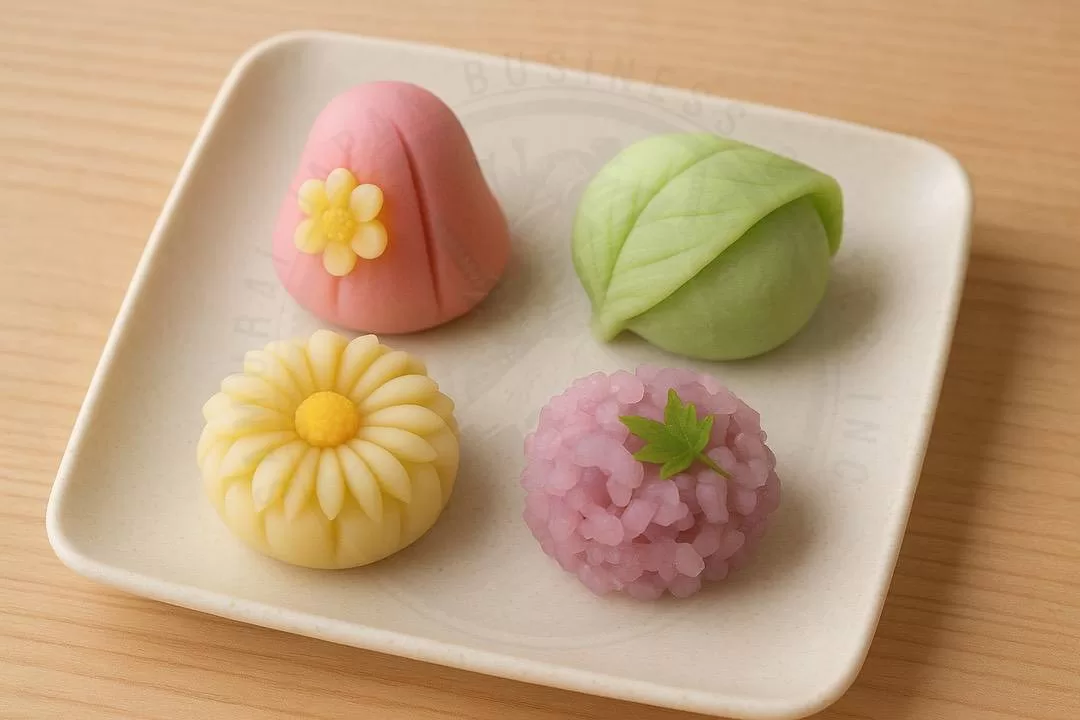
Teacher’s Pick: Wagashi Essentials for Your Japan Dream 🇯🇵🍡
Hello, aspiring Japan dreamers! As your Japanese language teacher, I often get asked about the best ways to prepare for life in Japan. While grammar and vocabulary are essential, understanding Japanese culture is equally important! And what better way to dive deep into the heart of Japan than through its exquisite traditional sweets: Wagashi (和菓子)? 🍵
For many of us, food is a universal language, but in Japan, it’s also a profound expression of art, history, and seasonal beauty. Wagashi aren’t just desserts; they are miniature edible masterpieces that tell a story. Learning about them will not only enrich your culinary experiences but also deepen your appreciation for Japanese aesthetics and give you plenty of opportunities to practice your Japanese! Let’s embark on this sweet journey together! 🎉
What Exactly is Wagashi? 🤔 Unpacking the Basics
Imagine sweets that are not just delicious but also incredibly beautiful, often resembling delicate flowers, natural landscapes, or seasonal motifs. That’s Wagashi! Derived from the words “wa” (和 – referring to Japan) and “gashi” (菓子 – sweets), Wagashi refers to traditional Japanese confections that have been refined over centuries.
Unlike many Western desserts that prioritize rich sweetness, Wagashi often focuses on subtle flavors, natural ingredients, and artistic presentation. They are designed to complement the bitterness of matcha tea in a traditional tea ceremony (茶道, sadō), but are also enjoyed casually or given as elegant gifts. Their beauty lies not just in their taste, but in their visual appeal, reflecting the Japanese appreciation for nature and the changing seasons.
💡 Teacher’s Tip:
When you first see Wagashi, you might think they’re too pretty to eat! This is normal. Take a moment to appreciate the artistry. It’s a great conversation starter, too! Try saying 「きれいですね!」(Kirei desu ne! – It’s beautiful!) or 「食べるのがもったいない!」(Taberu no ga mottainai! – It’s a waste to eat!).
A Sweet Journey: Popular Wagashi Types You’ll Encounter 🍡
Japan offers an incredible variety of Wagashi, each with its own unique characteristics and cultural significance. Here are some of the most common types you’re likely to encounter, along with their key features. Getting familiar with these will make your sweet adventures in Japan much more exciting!
Must-Know Wagashi Types for Your Japan Trip!
| Wagashi Name | Description & Key Feature | Best Enjoyed With |
|---|---|---|
| 大福 (Daifuku) | Soft mochi filled with sweet anko (red bean paste). Often contains a whole strawberry (Ichigo Daifuku) or other fruits. | Green Tea (煎茶, Sencha) |
| どら焼き (Dorayaki) | Two small pancake-like patties wrapped around a generous filling of anko. Familiar from Doraemon! | Milk, Coffee, or Green Tea |
| 団子 (Dango) | Small, round mochi dumplings, typically served on a skewer (3-5 pieces). Varieties include mitarashi (sweet soy glaze) or anko. | Any Tea (especially Houjicha or Sencha) |
| 羊羹 (Yokan) | A firm, jelly-like confection made from anko, agar-agar (kanten), and sugar. Can be plain, matcha, or chestnut flavored. | Matcha (抹茶), Sencha |
| 練り切り (Nerikiri) | Highly artistic, delicately shaped sweets made from white bean paste and glutinous rice flour. Reflects seasonal motifs. | Matcha (especially during tea ceremony) |
| たい焼き (Taiyaki) | Fish-shaped cake, typically filled with anko, custard, or chocolate. A popular street snack! | Any drink, great on its own! |
The Art of Wagashi: Ingredients and Flavors 🍵
The magic of Wagashi comes from its simple, natural ingredients, transformed into something extraordinary. Understanding these basic components will help you appreciate the depth of flavor and craftsmanship.
Here are the superstars of Wagashi ingredients:
-
あんこ (Anko) – Red Bean Paste:
This is arguably the most fundamental ingredient in many Wagashi. It’s made from azuki beans, simmered until soft, and then sweetened. There are two main types: つぶあん (Tsubuan), which is chunky with whole bean skins, and こしあん (Koshian), which is smooth and strained. Both offer a delicate, earthy sweetness.
-
餅 (Mochi) / もち米 (Mochigome) – Glutinous Rice:
Mochi is made from pounded glutinous rice, giving it a unique chewy and elastic texture. It’s used in Daifuku, Dango, and various other treats. The fresh, soft texture of freshly made mochi is truly special!
-
寒天 (Kanten) – Agar-Agar:
A plant-based gelatin derived from seaweed, Kanten is what gives Yokan its firm, jelly-like consistency. It’s also used in lighter summer Wagashi. It’s a natural and healthy gelling agent.
-
抹茶 (Matcha) – Green Tea Powder:
While often enjoyed as a beverage, matcha is also a popular flavoring in Wagashi, offering a delightful bitterness that balances the sweetness of the other ingredients. Matcha-flavored mochi, yokan, and various cakes are very common.
-
砂糖 (Satō) – Sugar:
Japanese sweets typically use various types of sugar, often less refined than Western sugars, contributing to their mild and nuanced sweetness. It’s about enhancing the natural flavors, not overwhelming them.
-
季節の食材 (Kisetsu no Shokuzai) – Seasonal Ingredients:
Think chestnuts (栗, kuri) in autumn, strawberries (苺, ichigo) in winter/spring, or cherry blossoms (桜, sakura) in spring. These fresh ingredients are incorporated to celebrate the bounty of each season.
💡 Cultural Insight:
The concept of 「旬」(shun), meaning ‘in season’ or ‘peak season,’ is central to Japanese cuisine, including Wagashi. Chefs and confectioners take pride in using ingredients at their freshest and most flavorful, reflecting a deep respect for nature and its cycles. This also means that some Wagashi are only available for a very short period!
Wagashi and the Seasons: A Cultural Harmony 🌸🍁
One of the most captivating aspects of Wagashi is its deep connection to Japan’s four distinct seasons. Unlike many other cuisines, Japanese sweets often change in appearance, ingredients, and even name to reflect the specific time of year. This celebrates the beauty of nature and adds to the ephemeral charm of the culture.
Here are some examples of seasonal Wagashi you can look forward to:
-
春 (Haru – Spring) 🌸:
Spring brings renewed life and the iconic cherry blossoms. You’ll find 桜餅 (Sakuramochi) – pink mochi wrapped in a salted cherry leaf, often filled with anko. Another favorite is 花見団子 (Hanami Dango), a skewer of three dango in pink, white, and green, symbolizing cherry blossoms, sake, and young grass.
-
夏 (Natsu – Summer) 🎐:
To combat the summer heat and humidity, Wagashi become lighter, often incorporating translucent textures and cooling ingredients. Look for 水羊羹 (Mizu Yokan), a chilled, lighter version of yokan, and 葛饅頭 (Kuzu Manju), a clear, jelly-like dumpling often filled with anko, giving a refreshing appearance.
-
秋 (Aki – Autumn) 🍁:
Autumn’s harvest brings rich, earthy flavors. Chestnuts are king in this season! You’ll frequently see 栗きんとん (Kuri Kinton) – sweetened chestnut paste shaped into charming chestnut forms. Also popular are 月見団子 (Tsukimi Dango) for moon-viewing festivals, simple white dango arranged in a pyramid.
-
冬 (Fuyu – Winter) ❄️:
Winter Wagashi often feature more robust flavors and colors, sometimes resembling snow, camellias, or plum blossoms. 椿餅 (Tsubaki Mochi), resembling a camellia flower, is a classic. And of course, the ever-popular 苺大福 (Ichigo Daifuku), with a fresh strawberry nestled inside mochi and anko, makes its appearance as strawberries come into season.
By paying attention to the Wagashi displayed in shops, you can literally “taste” the seasons of Japan! It’s a wonderful way to connect with the local culture and appreciate the passage of time.
Beyond the Sweetness: Wagashi in Daily Life & Language Learning 💡
Wagashi isn’t just for special occasions or formal tea ceremonies. You’ll encounter them in many aspects of daily life in Japan, making them a fantastic point of cultural and linguistic immersion for you!
**Where to Find and Enjoy Wagashi:**
* **Department Stores (デパート, depāto):** The basement food halls (デパ地下, depachika) of major department stores are a treasure trove of high-quality Wagashi from famous makers. Perfect for gifts (お土産, omiyage).
* **Specialty Wagashi Shops (和菓子屋, wagashi-ya):** These dedicated stores offer fresh, seasonal, and often locally unique Wagashi. Don’t be shy to ask for recommendations!
* **Supermarkets and Convenience Stores (スーパー・コンビニ, sūpā・konbini):** You can find simpler, pre-packaged Wagashi like Daifuku and Dorayaki. Great for a quick snack!
* **Cafes and Tea Houses (カフェ・茶屋, kafe・chaya):** Many traditional tea houses and even modern cafes serve Wagashi alongside matcha or other teas. This is a great way to experience them in a relaxing setting.
**Wagashi as a Language Learning Opportunity:**
Every encounter with Wagashi is a chance to practice your Japanese!
* **Ordering:**
* 「これください。」(Kore kudasai.) – “This one, please.” (while pointing)
* 「お土産ですか?」(Omiyage desu ka?) – “Is this a souvenir?” (They might ask this; reply 「はい、そうです。」- Hai, sō desu. for yes, or 「いいえ、自分用です。」- Iie, jibun-yō desu. for no, it’s for myself.)
* 「おすすめは何ですか?」(Osusume wa nan desu ka?) – “What do you recommend?”
* **Describing:**
* 「甘い (amai)」- sweet
* 「美味しい (oishii)」- delicious
* 「きれい (kirei)」- beautiful
* 「季節限定 (kisetsu gentei)」- seasonal limited edition
* **Cultural Phrases:**
* When receiving: 「いただきます」(Itadakimasu) – “I humbly receive/eat.”
* After eating: 「ごちそうさまでした」(Gochisōsama deshita) – “Thank you for the meal.”
⚠️ Etiquette Alert:
In a formal setting like a tea ceremony, Wagashi is often eaten with a small pick called a 「黒文字」(kuromoji). You’re meant to cut the Wagashi into smaller pieces before eating. If you’re given a wet wipe (おしぼり, oshibori), use it to clean your hands, not your face!
Congratulations, future Japan residents! By exploring the world of Wagashi, you’re not just learning about sweets; you’re unlocking a deeper understanding of Japanese culture, history, and aesthetics. Each Wagashi is a small work of art, a reflection of the seasons, and a testament to centuries of tradition.
Don’t be afraid to try new things and explore the vast variety of Wagashi when you get to Japan. Use these opportunities to practice your Japanese, interact with locals, and truly immerse yourself in the daily life and beautiful traditions of the country. Your Japan dream is getting sweeter by the day! Keep learning, keep exploring, and keep dreaming big! Ganbatte kudasai! 🎉
Contact & Follow Us
お問い合わせ
📞 電話: +63 997 093 4550
📧 メール: samuraijapan.bc@gmail.com
🏠 住所: Room D3, Freb Bldg, Villa Donata Subd, Muntinlupa
🏢 会社名: SAMURAI Japan Business Center Inc.
SNSでフォロー
🎵 Tiktok: @samuraijapan0221
📸 Instagram: @samuraijapan.bc
▶️ Youtube: @SamuraiJapan-bc
📘 Facebook: Visit our Page

Leave a Reply