

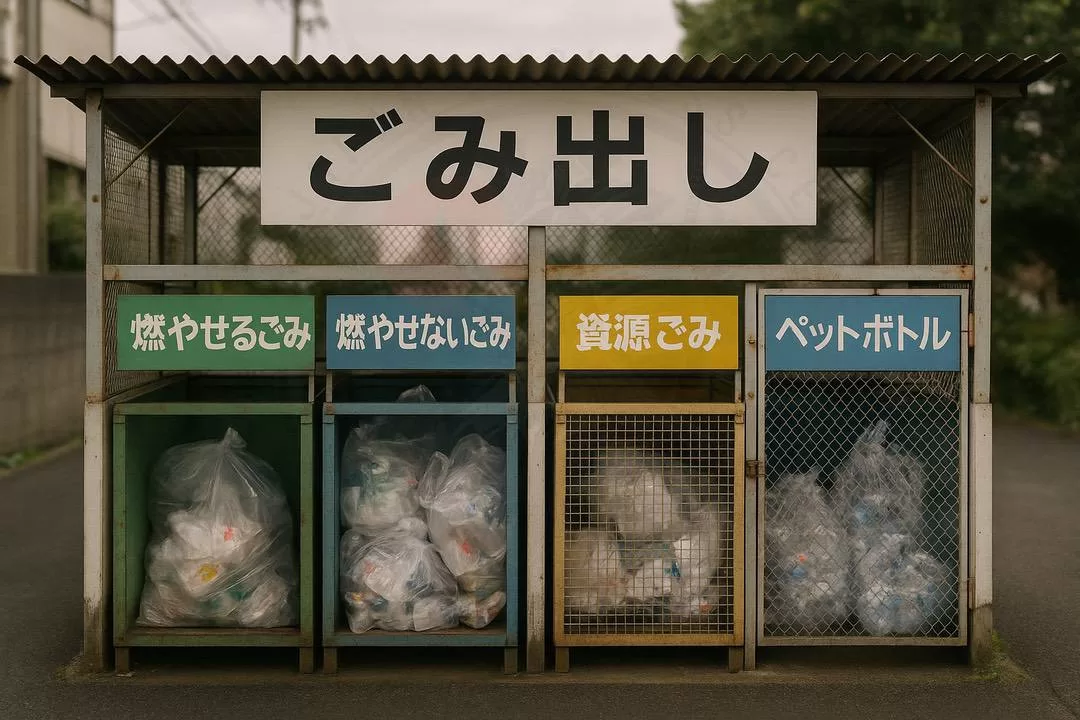
Gomidashi in Japan: Your Teacher’s Top Tips for Smooth Living 🇯🇵💡
Konnichiwa, future residents of Japan! Are you dreaming of experiencing life in the Land of the Rising Sun? Whether it’s for studying, working, or simply embracing a new culture, Japan offers an incredible journey. But as your Japanese language teacher, I want to share a crucial aspect of daily life that often surprises newcomers: `Gomidashi` (ゴミ出し), or garbage disposal.
While it might seem like a simple chore, `Gomidashi` in Japan is a finely tuned system that reflects deep-rooted cultural values like cleanliness, community harmony, and respect for the environment. Mastering `Gomidashi` isn’t just about following rules; it’s about showing respect to your neighbors and seamlessly integrating into Japanese society. Don’t worry, it might seem complicated at first, but with a little guidance, you’ll become a `Gomidashi` master in no time! Let’s dive in.
Why is “Gomidashi” So Important in Japan? 🤔✨
You might be thinking, “It’s just garbage, right?” But in Japan, `Gomidashi` is much more than that. It’s a daily ritual that upholds the nation’s reputation for cleanliness and order. Here’s why it’s such a big deal:
-
Community Harmony & Respect:
Japanese society places a high value on collective well-being. Proper `Gomidashi` prevents unpleasant odors, pest infestations, and keeps public spaces tidy for everyone. It’s a silent agreement among residents to maintain a pleasant living environment.
-
Environmental Stewardship:
Japan is a leader in recycling and waste reduction. Strict sorting rules ensure that waste is processed efficiently, minimizing environmental impact and maximizing resource recovery. Every sorted item contributes to this larger goal.
-
Legal Compliance & Avoiding Fines:
Improper waste disposal can lead to fines, especially for recurring offenses. These rules are taken seriously, and local authorities enforce them to maintain order. Knowing the rules protects you from unintentional trouble.
💡 Cultural Insight:
The emphasis on cleanliness and order in Japan is deeply rooted in its culture, from Shinto rituals of purification to the concept of “mottainai” (もったいない), which expresses regret concerning waste. Your efforts in `Gomidashi` are a direct contribution to these cultural values!
Understanding the “Rules” – It’s Local! 🏘️🔍
The most important thing to remember about `Gomidashi` is that **rules vary by municipality** (市区町村 – `shikuchouson`). What’s acceptable in Tokyo might be different in Osaka or a small town in Kyushu.
⚠️ Common Mistake Alert:
Assuming rules are uniform across Japan! Always, always, always check the specific `Gomidashi` guidelines for your residential area. Don’t rely on what a friend in another city told you.
So, how do you find your local rules?
-
Your Landlord or Real Estate Agent:
They are your first and best resource. They should provide you with a `Gomi-karenda-` (ごみカレンダー – garbage calendar) and a detailed sorting guide upon moving in.
-
City/Ward Office (`Shiyakusho`/`Kuyakusho`):
Visit your local government office. They have English (and sometimes other languages) pamphlets and can answer your questions. Many also have dedicated websites.
-
Neighbors:
If you’re comfortable, observing your neighbors or politely asking them is a great way to learn. This also helps you connect with your community.
Here are the most common general categories of waste you’ll encounter, along with their Japanese names. Remember, specifics within these categories can differ!
Common Garbage Categories & Japanese Terms
| Category (English) | Category (Japanese) | Typical Examples |
|---|---|---|
| Combustibles / Burnable Waste | 燃えるゴミ (Moeru Gomi) | Food scraps, kitchen waste, paper towels, used tissues, small plastics that aren’t recyclable (e.g., plastic wrap, sachets) |
| Non-combustibles / Non-burnable Waste | 燃えないゴミ (Moenai Gomi) | Ceramics, glass (non-recyclable), metal scraps, small electronics, light bulbs |
| Recyclables | 資源ゴミ (Shigen Gomi) | Plastic bottles (`PET`), cans (aluminum, steel), glass bottles, paper (newspapers, magazines, cardboard), plastic food containers (`プラ`) |
| Large-sized Waste | 粗大ゴミ (Sodai Gomi) | Furniture, bicycles, large appliances (note: some appliances like TVs, refrigerators, washing machines, and air conditioners require special recycling under the Home Appliance Recycling Law) |
Decoding the Calendars and Designated Days 🗓️⏰
Once you have your local `Gomi-karenda-`, you’ll notice that different types of garbage are collected on specific days. This is where precision comes in!
* **Specific Days:** `Moeru Gomi` might be collected twice a week (e.g., Monday and Thursday), while `Shigen Gomi` might be once a week or even once every two weeks. `Moenai Gomi` could be once a month.
* **Time Restrictions:** Garbage must typically be put out by a certain time on the collection day (e.g., by 8:00 AM). **Crucially, avoid putting out garbage the night before!** This can attract pests, create a mess, and is generally frowned upon.
💡 Teacher’s Tip:
Hang your `Gomi-karenda-` somewhere visible in your home, like on the refrigerator! Circle the collection days for each type of garbage. You can even set reminders on your phone for the night before each collection. Consistency is key to forming a good habit!
The Art of Sorting: Common Categories Explained ♻️✅
This is where the real “art” of `Gomidashi` lies. Each category has its own specific requirements:
-
燃えるゴミ (Moeru Gomi – Combustibles):
This includes your daily kitchen waste, food scraps, paper that can’t be recycled (like greasy paper or receipts), and small items that burn. Make sure food waste is drained and bags are tied securely to prevent odors.
-
燃えないゴミ (Moenai Gomi – Non-combustibles):
Items that don’t burn, such as ceramics, small pieces of metal, broken glass (often wrapped in newspaper for safety), and certain small appliances. Some areas ask you to put sharp objects in a sturdy container.
-
資源ゴミ (Shigen Gomi – Recyclables):
This is the most detailed category. Each type of recyclable often has its own specific preparation and collection day:
- ペットボトル (Petto Botoru – PET Bottles):
Remove the cap and label (these are often `プラ` – plastic packaging and should be separated), rinse the bottle, and crush it flat.
- 缶 (Kan – Cans) & 瓶 (Bin – Glass Bottles):
Rinse them thoroughly. Cans are often separated into aluminum (`アルミ`) and steel (`スチール`). Glass bottles might be separated by color (clear, brown, green).
- 紙 (Kami – Paper) & 段ボール (Danbooru – Cardboard):
Newspapers and magazines are usually bundled with string. Cardboard boxes should be flattened and bundled. Make sure they are clean and dry.
- プラスチック製容器包装 (Purasuchikku-sei Youki Housou – Plastic Containers & Packaging):
This is often marked with a `プラ` symbol. This includes plastic trays from food, yogurt containers, plastic bags, and bottle caps/labels. **Wash them clean before disposal!** If they are dirty, they might be considered `Moeru Gomi`.
- ペットボトル (Petto Botoru – PET Bottles):
-
粗大ゴミ (Sodai Gomi – Large-sized Waste):
For items too big to fit in standard garbage bags (e.g., furniture, appliances). You usually need to contact your city/ward office, pay a fee, and affix a special sticker (`shori-ken`) to the item. Collection is by appointment only.
Essential Vocabulary and Phrases for Gomidashi 🗣️🇯🇵
Learning these basic terms will make `Gomidashi` much easier to understand and discuss:
Key Gomidashi Vocabulary
| Japanese Word | Romaji (Pronunciation) | English Meaning |
|---|---|---|
| ごみ | Gomi | Garbage / Trash |
| 分別 | Bunbetsu | Sorting / Separation |
| 収集日 | Shuushuu-bi | Collection Day |
| ごみ置き場 | Gomi-okiba | Garbage Collection Point |
| 指定ごみ袋 | Shitei Gomi-bukuro | Designated Garbage Bag (required in many areas) |
**Useful Phrases:**
* **ごみはどこで出せますか?** (`Gomi wa doko de dasemasu ka?`) – Where can I put out the garbage?
* **これは何ごみですか?** (`Kore wa nan gomi desu ka?`) – What kind of garbage is this?
* **ごみの収集日はいつですか?** (`Gomi no shuushuu-bi wa itsu desu ka?`) – When is the garbage collection day?
* **ごみ出しのルールを教えてください。** (`Gomidashi no ruuru o oshiete kudasai.`) – Please tell me the garbage disposal rules.
Practical Tips for a Smooth Gomidashi Experience 👍🗑️
To make your `Gomidashi` routine as smooth as possible, keep these tips in mind:
-
Buy Designated Garbage Bags (`Shitei Gomi-bukuro`):
Many municipalities require you to use specific colored or branded garbage bags, often sold at convenience stores, supermarkets, and hardware stores. These bags sometimes have the city’s logo and are slightly thicker. Using the correct bags is essential.
-
Clean and Prepare Your Recyclables:
This is crucial! Rinse bottles and containers thoroughly. Remove caps, labels, and dispose of them according to their own categories. Flatten plastic bottles, cans, and cardboard to save space.
-
Tie Bags Tightly and Securely:
Prevent leaks, odors, and messes. This also discourages animals like crows from tearing open bags at the collection point.
-
Put Out Garbage On Time (and Not the Night Before!):
Always put your garbage out on the morning of the collection day, typically before 8:00 AM. Doing it the night before is considered rude and can cause problems for neighbors.
-
Use Animal Repellent Nets (if available/needed):
At many collection points, a large yellow or blue net is used to cover the garbage. This helps prevent crows, cats, and other animals from scattering the trash. Make sure your bags are placed under the net.
-
Don’t Hesitate to Ask for Help:
If you’re unsure, ask your landlord, building manager, neighbors, or the city hall. It’s better to ask than to dispose of garbage incorrectly and cause a nuisance.
🎉 Teacher’s Encouragement:
Don’t be intimidated by `Gomidashi`! It’s a fundamental part of living in Japan, and every successful disposal is a step towards feeling more at home. Embrace the process as a way to connect with your new community and contribute positively to your surroundings. You’ve got this!
Conclusion: Embrace the Japanese Way of Cleanliness! 🎌❤️
Learning about `Gomidashi` is more than just memorizing rules; it’s about understanding and respecting the Japanese way of life. It’s a small but significant act that demonstrates your commitment to being a responsible and considerate resident. By diligently sorting your trash and following local guidelines, you’re not just disposing of waste; you’re actively participating in maintaining Japan’s renowned cleanliness and harmony.
As you prepare for your exciting journey to Japan, remember that adapting to daily routines like `Gomidashi` is part of the adventure. Embrace these cultural nuances with an open mind, and you’ll find yourself not just living in Japan, but truly thriving there. Keep studying hard, and soon you’ll be experiencing the beauty and order of Japan firsthand! Ganbatte kudasai! (Good luck!)
Contact & Follow Us
お問い合わせ
📞 電話: +63 997 093 4550
📧 メール: samuraijapan.bc@gmail.com
🏠 住所: Room D3, Freb Bldg, Villa Donata Subd, Muntinlupa
🏢 会社名: SAMURAI Japan Business Center Inc.
SNSでフォロー
🎵 Tiktok: @samuraijapan0221
📸 Instagram: @samuraijapan.bc
▶️ Youtube: @SamuraiJapan-bc
📘 Facebook: Visit our Page

Leave a Reply