

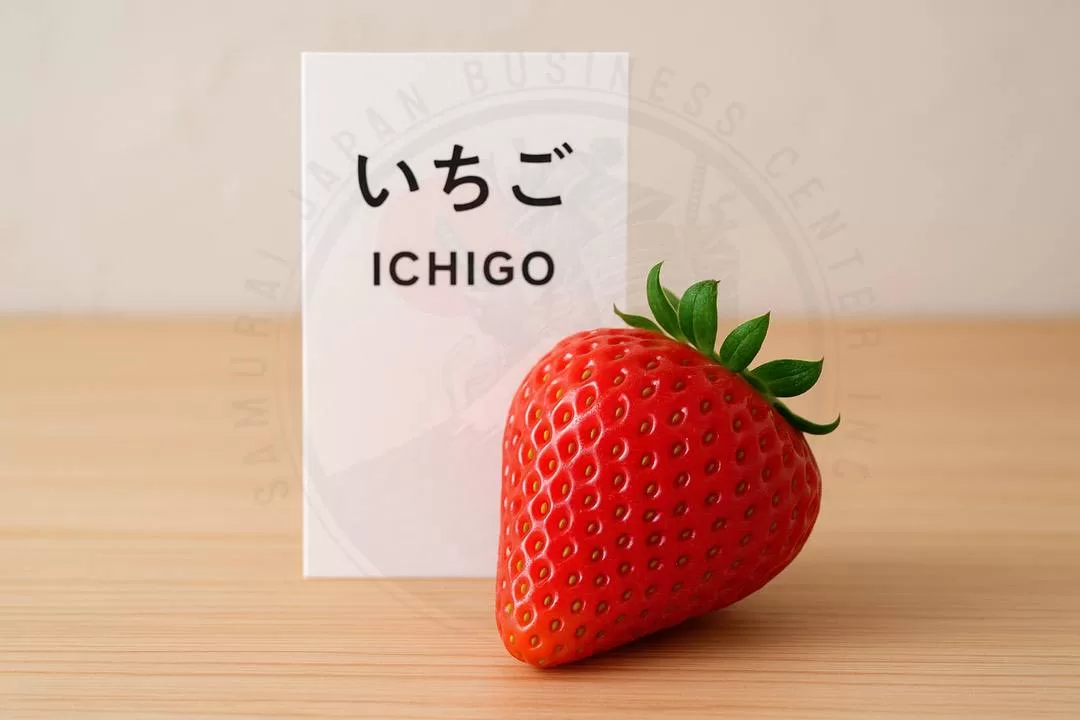
Japan’s Ichigo: Why These Sweet Strawberries Are a Must-Know for You! 🇯🇵🍓
Kon’nichiwa, future residents of Japan! Are you excited about your journey to the Land of the Rising Sun? As your Japanese language teacher, I know you’re busy mastering grammar and vocabulary, but learning about daily life and cultural nuances is just as important. And what better way to do that than through one of Japan’s most beloved and iconic fruits: the incredible **Ichigo** (いちご), or strawberry!
Japanese strawberries are not just any strawberries; they are a culinary experience, a symbol of quality, and a delightful part of Japanese culture. Understanding their significance, knowing the right vocabulary, and even learning how to talk about them will truly enrich your life in Japan. This article will guide you through the sweet world of Ichigo, helping you add a delicious layer to your Japanese language and cultural knowledge. Let’s dig in! 🎉
The Allure of Japanese Ichigo: A Sweet Symphony 🎶
When you think of strawberries, you might picture small, slightly tart berries. But in Japan, prepare to be amazed! Japanese strawberries are renowned globally for their exceptional sweetness, vibrant red color, perfect shape, and intoxicating aroma. They are cultivated with meticulous care, almost like precious jewels, resulting in a fruit that’s often larger, juicier, and far more flavorful than what you might be used to.
The dedication to quality in Japanese agriculture is truly remarkable, and Ichigo exemplifies this. Farmers employ advanced techniques, such as temperature and humidity control in greenhouses, to ensure each berry reaches its peak perfection. This commitment to excellence is why Japanese strawberries are not just a fruit, but a prized delicacy, often given as luxurious gifts.
💡 Cultural Insight: The Art of Gift-Giving (Omiyage)
In Japan, gift-giving, known as 「お土産」(omiyage), is a deeply ingrained part of the culture. High-quality fruits, especially seasonal ones like premium Ichigo, are often chosen as omiyage for special occasions or as tokens of appreciation. This reflects the value placed on both presentation and quality in Japanese society.
There are many varieties of Japanese strawberries, each with its unique characteristics. Here are some of the most famous ones you’ll encounter:
Popular Japanese Strawberry Varieties
| Variety Name | Key Characteristics | Origin Prefecture (Main) |
|---|---|---|
| あまおう (Amaou) | Akai (red), Marui (round), Ookii (big), Umai (delicious). Large, very sweet, and juicy. Often considered the “king” of strawberries. | Fukuoka |
| とちおとめ (Tochiotome) | One of the most widely grown varieties. Well-balanced sweetness and acidity, good for both eating fresh and in desserts. | Tochigi |
| 紅ほっぺ (Benihoppe) | Means “red cheeks.” Rich sweetness with a pleasant tartness, firm texture. Named for its beautiful red color. | Shizuoka |
| さちのか (Sachinoka) | Strong aroma, excellent balance of sweetness and tartness, firm texture. Good for shipping. | Saga |
| ゆめのか (Yumenoka) | Means “dream.” A relatively new variety, known for its mild sweetness and juicy texture. | Ehime |
Ichigo Vocabulary You Must Know! 💡
Mastering basic vocabulary related to Ichigo and fruits in general will be incredibly useful when you’re shopping, dining, or simply talking about your experiences in Japan. Let’s learn some essential words and phrases!
-
いちご (ichigo)
Strawberry. This is the most basic and important word! Remember, it’s written in Hiragana.
Example: いちごが大好きです。(Ichigo ga daisuki desu. – I love strawberries.)
-
フルーツ (furuutsu)
Fruit. This is a Katakana word, derived from English “fruit.”
Example: 日本のフルーツは美味しいですね。(Nihon no furuutsu wa oishii desu ne. – Japanese fruits are delicious, aren’t they?)
-
甘い (amai)
Sweet. An essential adjective when describing fruits or desserts!
Example: このいちごはとても甘いです。(Kono ichigo wa totemo amai desu. – These strawberries are very sweet.)
-
酸っぱい (suppai)
Sour/Tart. Sometimes, even delicious fruits can have a hint of sourness.
Example: 少し酸っぱいですが、美味しいです。(Sukoshi suppai desu ga, oishii desu. – It’s a little sour, but delicious.)
-
瑞々しい (mizumizushii)
Juicy/Fresh. A beautiful word to describe fresh, plump fruits.
Example: 採れたてのいちごは瑞々しいです。(Toretate no ichigo wa mizumizushii desu. – Freshly picked strawberries are juicy.)
-
香り (kaori)
Aroma/Scent. Japanese strawberries are known for their delightful fragrance.
Example: いちごの香りが素晴らしいです。(Ichigo no kaori ga subarashii desu. – The aroma of the strawberries is wonderful.)
-
旬 (shun)
Peak season/In season. This concept is crucial in Japanese food culture.
Example: いちごの旬は冬から春です。(Ichigo no shun wa fuyu kara haru desu. – The peak season for strawberries is winter to spring.)
⚠️ Common Mistake Alert:
Be careful with the pronunciation of 「いちご」(ichigo)! The “i” sound is like the “ee” in “feet,” and the “go” is like “go” in English, but shorter and crisper. Don’t add an extra vowel sound at the end, like “ichigoo.”
Beyond Just Eating: Ichigo in Japanese Culture 🌸
Ichigo isn’t just a snack; it’s deeply woven into Japanese culinary traditions and social activities.
* **Ichigo Daifuku (いちご大福):** This is a popular wagashi (traditional Japanese confectionery) consisting of a whole, fresh strawberry wrapped in sweet red bean paste (anko) and then covered with soft mochi (rice cake). The combination of the fresh strawberry’s tartness and the sweet anko and chewy mochi is simply divine! It’s especially popular during strawberry season.
* **Ichigo Shortcake (いちごショートケーキ):** This quintessential Japanese dessert is a must-try. Unlike Western shortcakes, the Japanese version is typically a light, airy sponge cake layered with fresh whipped cream and plenty of sliced strawberries. It’s often the celebratory cake for birthdays and Christmas, and its beautiful appearance makes it a favorite.
* **Strawberry Picking (いちご狩り – Ichigo-gari):** A highly popular activity, especially for families and couples, during the strawberry season (roughly December to May). Many farms offer “all-you-can-eat” picking experiences, where you can pick and enjoy fresh strawberries right from the vine. It’s a wonderful way to experience Japanese agriculture and enjoy nature. This is also a fantastic opportunity to practice your Japanese while interacting with farm staff and other visitors!
💡 Teacher’s Tip:
Immerse yourself! When you are in Japan, try to participate in seasonal activities like いちご狩り. Not only is it fun, but it provides a natural environment to practice your Japanese in context. You’ll learn practical vocabulary and phrases related to farming, nature, and food in a relaxed setting.
Practical Phrases for Your Ichigo Journey! 🗣️
Here are some useful phrases you can use when buying, talking about, or enjoying Ichigo in Japan. Practice them out loud!
Essential Ichigo Phrases
| Japanese Phrase | Romaji (Pronunciation Guide) | English Meaning |
|---|---|---|
| このいちごはいくらですか? | Kono ichigo wa ikura desu ka? | How much are these strawberries? |
| 試食できますか? | Shishoku dekimasu ka? | Can I sample (taste test) it? |
| 一番甘いいちごはどれですか? | Ichiban amai ichigo wa dore desu ka? | Which is the sweetest strawberry? |
| これ、とても美味しいです! | Kore, totemo oishii desu! | This is very delicious! |
| いちご狩りに行きたいです。 | Ichigo-gari ni ikitai desu. | I want to go strawberry picking. |
| お土産にいちごを買いたいです。 | Omiyage ni ichigo wo kaitai desu. | I want to buy strawberries as a souvenir/gift. |
Teacher’s Tips for Learning Japanese Through Food ✅
Learning a language isn’t just about textbooks; it’s about connecting with the culture and daily life. Food is an excellent bridge!
1. **Embrace Seasonal Eating (旬 – Shun):** Pay attention to the seasons. Japanese cuisine places a huge emphasis on eating ingredients at their peak freshness and flavor. Learn the names of fruits and vegetables as they come into season. This will naturally expand your vocabulary and deepen your understanding of Japanese culture.
2. **Read Packaging:** When you buy food, try to read the labels! Even if you don’t understand everything, you’ll start recognizing Katakana for ingredients, Kanji for place names (like prefecture of origin for Ichigo), and basic phrases like “Made in Japan” (日本製 – Nihonsei).
3. **Explore Local Markets:** Visiting local supermarkets (スーパーマーケット – suupaa maaketto) or even farmers’ markets (朝市 – asaichi or ファーマーズマーケット – faamaazu maaketto) is a fantastic way to observe daily life, hear natural Japanese, and learn new vocabulary related to food and shopping.
4. **Watch Japanese Food Shows/Vlogs:** There are countless Japanese cooking shows, travel shows focusing on regional delicacies, and food vlogs on platforms like YouTube. Watching these with subtitles (Japanese or English) can be a fun and engaging way to learn about food culture, pronunciation, and everyday conversations.
5. **Try Making Japanese Desserts:** If you love Ichigo Shortcake or Ichigo Daifuku, why not try making them yourself? Following Japanese recipes can help you learn cooking vocabulary and measurement terms, giving you a very practical application of the language.
👍 Learning Booster:
Don’t be afraid to ask questions in Japanese when you’re at a shop or market! Even simple questions like 「これは何ですか?」 (Kore wa nan desu ka? – What is this?) or 「おすすめは何ですか?」 (Osusume wa nan desu ka? – What do you recommend?) are great ways to practice and engage with locals. Most Japanese people appreciate your effort!
Conclusion: Your Sweet Journey Awaits! 🎉
Learning about Japanese Ichigo is more than just knowing a fruit; it’s a gateway to understanding Japanese agricultural pride, cultural values, and the joy of seasonal delicacies. By embracing these small, delicious details, you’re not just learning Japanese words; you’re building a richer, more authentic connection with the country you dream of living in.
Remember, every new word, every cultural insight, and every delicious bite of Ichigo brings you closer to your dream life in Japan. Keep practicing, keep exploring, and keep that curious spirit alive! Your journey is a sweet one, and you’re doing great! Ganbatte kudasai! (Good luck, you can do it!)
Contact & Follow Us
お問い合わせ
📞 電話: +63 997 093 4550
📧 メール: samuraijapan.bc@gmail.com
🏠 住所: Room D3, Freb Bldg, Villa Donata Subd, Muntinlupa
🏢 会社名: SAMURAI Japan Business Center Inc.
SNSでフォロー
🎵 Tiktok: @samuraijapan0221
📸 Instagram: @samuraijapan.bc
▶️ Youtube: @SamuraiJapan-bc
📘 Facebook: Visit our Page

Leave a Reply