

Sakura Season: Your Essential Guide for Life in Japan 🌸🇯🇵
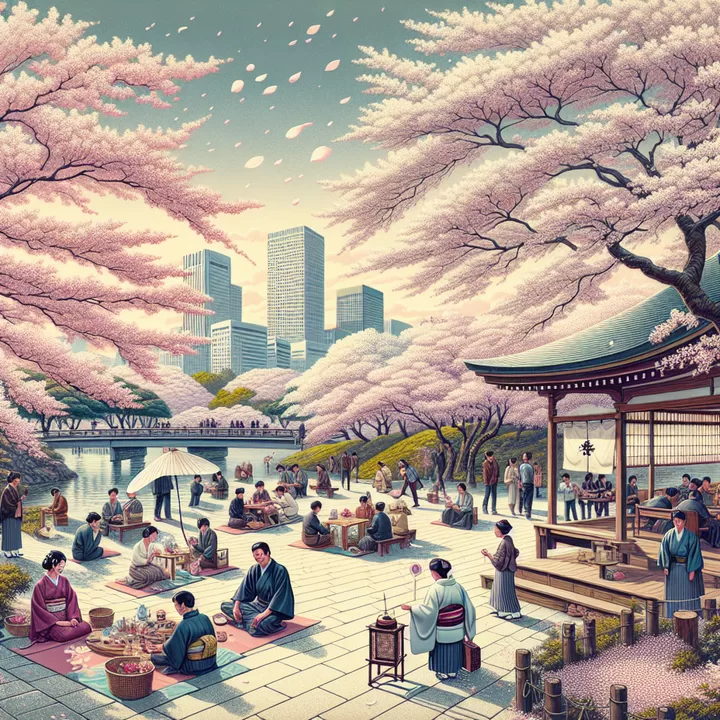
Konnichiwa, aspiring residents of Japan! Have you ever dreamt of walking beneath a canopy of delicate pink and white blossoms, their petals gently dancing in the spring breeze? This iconic image of Japan – the magnificent cherry blossoms, or 桜 (Sakura) – is more than just a beautiful sight. For anyone planning to live, study, or work in Japan, understanding Sakura season is an essential part of embracing Japanese culture and rhythms. It’s a time of profound beauty, cultural celebration, and significant shifts in daily life.
As your language teacher, I’ve seen countless students captivated by the allure of Sakura. But beyond the picture-perfect scenery, this season offers unique insights into Japanese society and provides practical lessons for adapting to life in this wonderful country. This guide will walk you through everything you need to know about Sakura season, from its cultural significance and practical tips for enjoying it, to useful Japanese phrases and important considerations for your new life in Japan. Let’s prepare you not just to see the Sakura, but to truly live the Sakura experience!
The Magic of Sakura: More Than Just Flowers ✨💖
The cherry blossom holds a deeply significant place in the Japanese psyche, far beyond its aesthetic appeal. It symbolizes the transient nature of life, the beauty of fleeting moments, and new beginnings. For centuries, poets, artists, and ordinary people have been moved by the Sakura’s short but spectacular bloom.
* 文化的意義 (Bunkateki Igi – Cultural Significance)
*
儚さ (Hakanasa – Transience): The brief blooming period, often just one to two weeks, reminds everyone of the impermanence of beauty and life. This concept is central to Japanese aesthetics, known as 「もののあわれ」(Mono no aware), a gentle melancholy for the passing of things.
*
新たな始まり (Aratana Hajimari – New Beginnings): Sakura season perfectly coincides with the start of the fiscal year and the new school year in Japan (April 1st). For many, it marks a fresh start – new jobs, new schools, new adventures. It’s a period of hope and renewal, much like a butterfly emerging from its cocoon.
*
国民の感情 (Kokumin no Kanjo – National Sentiment): Sakura is deeply embedded in the national identity, appearing in everything from traditional art to modern pop culture, and even on the 100-yen coin! It evokes a strong sense of pride and community.
💡 Cultural Insight: Hanami (花見) – Flower Viewing
Hanami is the age-old tradition of picnicking under the cherry blossoms. It’s not just about observing the flowers; it’s about gathering with friends, family, or colleagues to celebrate spring, enjoy good food and drink, and simply revel in the atmosphere. This is a crucial social event that truly embodies the spirit of the season. Don’t miss the chance to participate!
When and Where to Catch the Bloom 📅✨
Timing is everything when it comes to Sakura. The cherry blossom front, or 桜前線 (Sakura Zensen), sweeps across the Japanese archipelago from south to north, starting in late March in Kyushu and reaching Hokkaido by early May. Predicting the exact peak bloom can be tricky, as it depends heavily on weather conditions, but general patterns exist.
* 時期 (Jiki – Timing)
*
本州 (Honshu – Main Island): The peak bloom in major cities like Tokyo, Kyoto, and Osaka typically occurs between late March and early April. This is when most international visitors flock to Japan, and for good reason!
*
北部・南部 (Hokubu/Nanbu – North/South): Okinawa sees blooms as early as January, while northern regions like Tohoku and Hokkaido experience them later, in late April to early May. This extended period allows for enjoying Sakura over several weeks if you travel.
*
天気の影響 (Tenki no Eikyo – Weather Impact): A sudden cold snap can delay the bloom, while unusually warm weather can make them bloom and fall quickly. Always check the latest forecasts!
⚠️ Common Mistake Alert:
Many Filipino learners assume Sakura blooms for months. Remember, the prime viewing period in any given location is very short, often just 7 to 10 days! Plan your visits carefully to avoid disappointment.
To help you visualize the general timings, here’s a simplified bloom forecast for key regions:
General Sakura Bloom Forecast by Region
| Region | Typical Peak Bloom | Notes & Famous Spots |
|---|---|---|
| Okinawa (沖縄) | Late January – Early February | Earliest blooms in Japan. Nago Castle Park. |
| Kyushu (九州) | Late March – Early April | Fukuoka, Kumamoto Castle. |
| Kanto (関東) & Kansai (関西) | Late March – Early April | Tokyo (Ueno Park, Shinjuku Gyoen), Kyoto (Arashiyama, Philosopher’s Path), Osaka (Osaka Castle Park). |
| Tohoku (東北) | Mid-April – Late April | Hirosaki Castle Park (Aomori). |
| Hokkaido (北海道) | Late April – Early May | Sapporo (Maruyama Park), Hakodate (Goryokaku Park). |
You can find the latest Sakura forecasts from sources like Japan Meteorological Corporation or popular travel sites like Japan Guide. Look for the term 「桜の開花予想」(Sakura no Kaika Yosou).
Hanami (花見): Celebrating Under the Cherry Blossoms 🎉🍱
Hanami is undoubtedly one of the most delightful aspects of Sakura season. It’s a chance to immerse yourself in local customs and connect with Japanese people in a relaxed, joyous setting. Participating in a Hanami picnic is a must-do experience!
* 花見の準備 (Hanami no Junbi – Hanami Preparation)
*
場所取り (Basho Dori – Spot Reservation): In popular parks, people wake up early to claim prime spots by laying down blue tarps. If you’re going with a group, someone might have to go very early! This is a common sight in places like Ueno Park.
*
持ち物 (Mochimono – What to Bring): Essential items include a picnic sheet or tarp, food (bento boxes are popular!), drinks (sake, beer, tea), trash bags (always take your trash home!), wet wipes, and warm layers if it gets chilly (especially in the evening for 夜桜 – Yozakura, night Sakura viewing).
*
食べ物と飲み物 (Tabemono to Nomimono – Food and Drink): Convenience stores and supermarkets stock special Hanami-themed bentos, snacks, and drinks. Don’t forget 花見だんご (Hanami Dango), tri-colored sweet dumplings, and perhaps some 桜餅 (Sakuramochi), a sweet rice cake wrapped in a cherry leaf.
* 花見のエチケット (Hanami no Etiketto – Hanami Etiquette)
*
ゴミの持ち帰り (Gomi no Mochikaeri – Take Your Trash Home): This is paramount. Japanese parks are kept meticulously clean, and visitors are expected to carry their own trash out. Never leave anything behind!
*
場所の共有 (Basho no Kyoyu – Sharing Space): Be mindful of others. Don’t expand your picnic area beyond what you need, and avoid blocking pathways or views.
*
騒音 (Soon – Noise): While Hanami can be lively, excessive noise or drunken behavior is frowned upon. Be considerate of families and other groups enjoying the scenery.
*
花を傷つけない (Hana o Kizutsukenai – Don’t Harm the Flowers): Never break off branches, pick blossoms, or climb trees. Admire them from a distance. Respect for nature is a core Japanese value.
💡 Teacher’s Tip: Essential Hanami Phrases!
Knowing a few phrases can make your Hanami experience even better and help you connect with locals!
- 「桜、きれいですね!」(Sakura, kirei desu ne!)
Meaning: “The cherry blossoms are beautiful, aren’t they!” (A great way to start a conversation.)
- 「お花見ですか?」(O-hanami desu ka?)
Meaning: “Are you here for Hanami?” (Polite inquiry.)
- 「場所、空いてますか?」(Basho, aitemasu ka?)
Meaning: “Is this spot available?” (If you’re looking for a place to sit.)
- 「乾杯!」(Kanpai!)
Meaning: “Cheers!” (Essential for any celebratory gathering!)
Sakura and Daily Life: Practicalities and Preparations 🎒💡
The beauty of Sakura season comes with some practical implications for daily life in Japan, especially if you’re newly arrived or planning your move around this time.
* 混雑と移動 (Konzatsu to Ido – Crowds and Travel)
*
公共交通機関 (Kokyo Kotsu Kikan – Public Transport): Trains, buses, and popular tourist spots will be exceptionally crowded. Factor in extra travel time and consider avoiding peak hours if possible.
*
宿泊施設 (Shukuhaku Shisetsu – Accommodation): Hotels and ryokans (traditional inns) get booked up months in advance and often increase their prices. If you’re visiting during Sakura, book your accommodation as early as possible.
*
新生活の始まり (Shin Seikatsu no Hajimari – Start of New Life): For many arriving in Japan, early April is when school terms begin, and many companies start their new fiscal year. This means more people are moving, starting new routines, and generally adjusting. Be prepared for a bustling atmosphere!
* 気候と服装 (Kiko to Fukuso – Climate and Clothing)
*
気温の変動 (Kion no Hendo – Temperature Fluctuations): Early spring can be unpredictable. While daytime temperatures might be mild, evenings can still be quite chilly, especially if you’re picnicking under the trees. Layering is key!
*
花粉症 (Kafunsho – Hay Fever): Be aware that spring also brings significant amounts of pollen (杉花粉 – Sugi Kafun, cedar pollen), which can cause severe hay fever. If you suffer from allergies, pack your medication or be prepared to buy masks and allergy relief in Japan.
💡 Teacher’s Tip: Navigating Spring Crowds
Just like in the Philippines, crowds are part of major events! If you dislike heavy crowds, seek out lesser-known local parks or residential areas that also have beautiful cherry trees. Sometimes, the most magical moments are found in quiet neighborhood streets, not just famous tourist spots. Plus, it’s a great way to discover hidden gems!
Japanese Vocabulary for Sakura Season 🗣️🌸
To truly appreciate and discuss Sakura season, expanding your Japanese vocabulary is essential. Here are some key terms that will help you describe the beauty and participate in conversations.
Essential Sakura & Spring Vocabulary
| Japanese | Romaji | English Meaning |
|---|---|---|
| 桜 | Sakura | Cherry blossom |
| お花見 | O-hanami | Cherry blossom viewing (picnic) |
| 満開 | Mankai | Full bloom |
| 桜吹雪 | Sakura Fubuki | Cherry blossom blizzard (petals falling like snow) |
| 夜桜 | Yozakura | Night cherry blossoms (often illuminated) |
| 桜並木 | Sakura Namiki | Cherry tree-lined street/path |
| 花より団子 | Hana yori Dango | “Dumplings over flowers” (meaning practical things over aesthetics) |
| 春 | Haru | Spring |
Practice saying these words out loud! The more you use them, the more natural they will become.
Embracing the Spirit of Sakura: A Teacher’s Advice for Filipino Learners 💖
As your Japanese language teacher, I want you to view Sakura season not just as a beautiful spectacle but as a metaphor for your journey in Japan. The ephemeral beauty of the blossoms teaches us about change, resilience, and the importance of appreciating every moment.
* 変化を受け入れる (Henka o Ukeireru – Embrace Change)
*
Just as the seasons change, your life in Japan will involve constant adjustments and new experiences. Embrace these changes, even the challenging ones, as opportunities for growth. Don’t be afraid to step out of your comfort zone and try new things, just like the Sakura bravely blooms after winter.
* 努力を続ける (Doryoku o Tsuzukeru – Continue Your Efforts)
*
Learning Japanese is a continuous journey. There will be days when it feels difficult, but like the cherry trees patiently waiting for spring, consistent effort will bring beautiful results. Keep studying, keep practicing, and don’t give up!
* 文化に親しむ (Bunka ni Shitashimu – Familiarize Yourself with Culture)
*
Sakura season is a perfect gateway to understanding Japanese culture deeply. Participate in Hanami, learn about local festivals, and engage with the community. These experiences will enrich your life in Japan far beyond classroom learning.
* 感謝の気持ち (Kansha no Kimochi – A Feeling of Gratitude)
*
Take a moment to appreciate the beauty around you and the opportunity you have to experience life in Japan. Expressing gratitude (「ありがとうございます」- Arigato gozaimasu) and showing respect for customs will go a long way in building positive relationships.
🌟 Teacher’s Encouragement:
My dear students, the path to living in Japan is a truly rewarding one. Like the vibrant Sakura, your dreams are beautiful and achievable. The challenges you face in learning Japanese and adapting to a new culture are simply stepping stones to your success. Believe in yourselves, stay curious, and always remember why you started this amazing journey. I am here to support you every step of the way! Ganbatte kudasai! (頑張ってください – Please do your best!)
### Conclusion 🎉
Sakura season in Japan is an unforgettable experience, a symphony of natural beauty, cultural tradition, and the vibrant energy of new beginnings. For Filipinos aspiring to build a life in Japan, understanding and appreciating this season is more than just about sightseeing; it’s about connecting with the heart of Japanese life. From mastering Hanami etiquette to embracing the spirit of renewal, every aspect of Sakura offers valuable lessons and unforgettable memories.
So, as you continue your journey toward your dream life in Japan, carry the spirit of Sakura with you – embrace its beauty, its transient nature, and its promise of a fresh start. Prepare well, learn with an open heart, and get ready to create your own beautiful memories under the cherry blossoms. Your adventure in Japan awaits!
Contact & Follow Us
お問い合わせ
📞 電話: +63 997 093 4550
📧 メール: samuraijapan.bc@gmail.com
🏠 住所: Room D3, Freb Bldg, Villa Donata Subd, Muntinlupa
🏢 会社名: SAMURAI Japan Business Center Inc.
SNSでフォロー
🎵 Tiktok: @samuraijapan0221
📸 Instagram: @samuraijapan.bc
▶️ Youtube: @SamuraiJapan-bc
📘 Facebook: Visit our Page
