

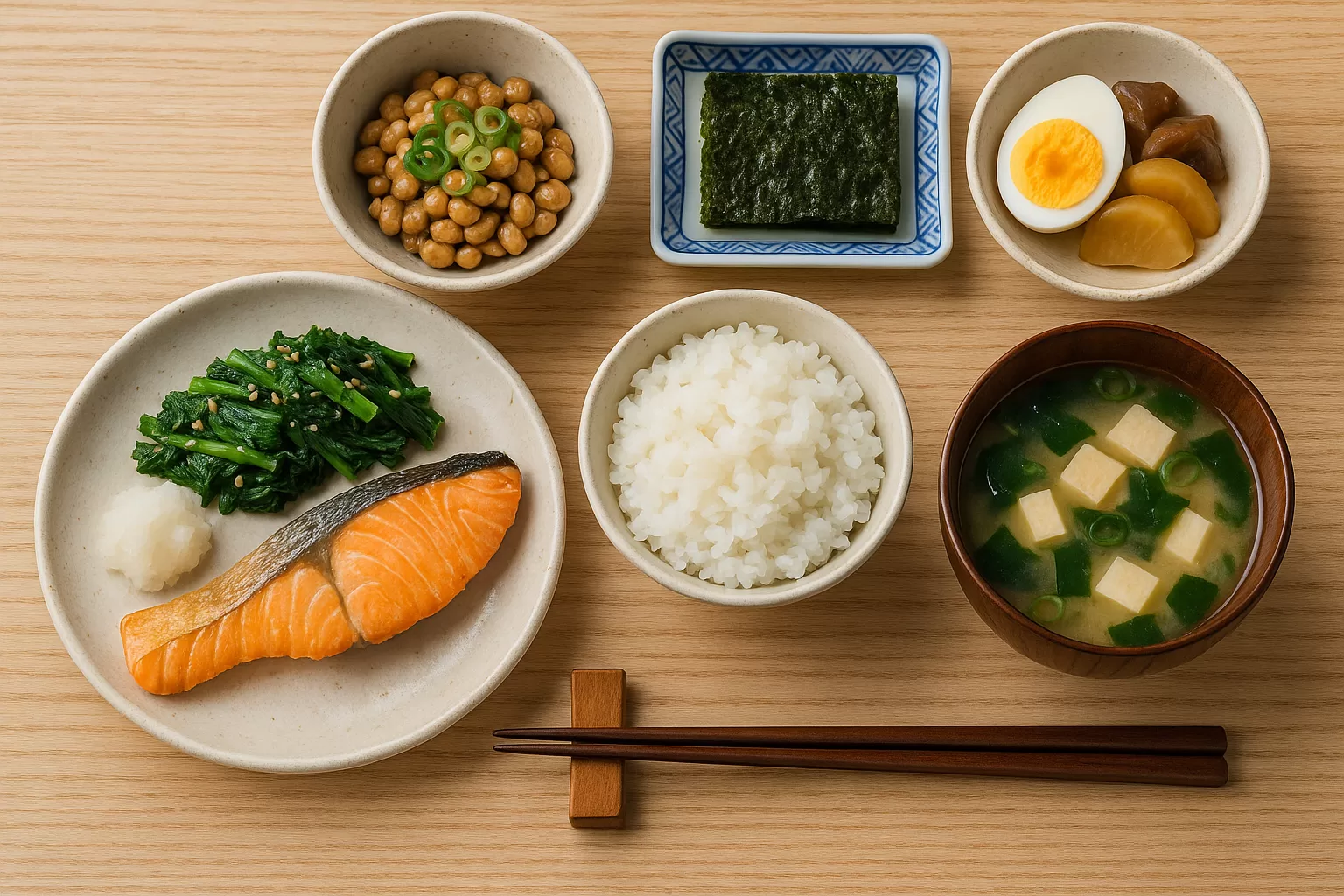
Beyond Pandesal: Your Guide to Japanese Asa Gohan 🇯🇵🍳🍚
Kumusta, future Japan travelers and language learners! Are you dreaming of the day you wake up in Japan, ready to immerse yourself in its vibrant culture? While the smell of freshly baked pandesal and brewed coffee might be your morning comfort now, getting to know Japanese breakfast – Asa Gohan (朝ごはん) – is an exciting step towards understanding daily life in Japan. It’s more than just food; it’s a window into the Japanese approach to health, balance, and community.
As your guide from a Japanese language school, I know that embracing new experiences, especially culinary ones, can be a bit daunting. But fear not! This guide will take you “beyond pandesal,” exploring the delicious and nutritious world of Japanese breakfast, equipping you with the vocabulary and cultural insights you need to savor every bite. Let’s dig in! いただきます! (Itadakimasu!) 🎉
What Exactly is Asa Gohan? A Balanced Start to the Day! ☀️
Unlike the quick, often sweet, breakfasts common in many Western countries or the simple bread and coffee in the Philippines, a traditional Japanese Asa Gohan is a carefully balanced meal designed to provide sustained energy and nutrition. It’s a testament to the Japanese focus on healthy living and mindfulness, even from the first meal of the day.
At its core, a typical Japanese breakfast follows the “一汁三菜 (ichijuu sansai)” principle, meaning “one soup, three sides.” This balance ensures a wide range of nutrients, flavors, and textures.
💡 Teacher’s Tip:
The concept of “balance” is deeply ingrained in Japanese culture, not just in food, but also in art, lifestyle, and even language. Notice how they strive for harmony in everything!
Let’s break down the main components you’ll typically find on a Japanese breakfast table:
Components of a Traditional Japanese Asa Gohan
| Component | Japanese Term | Description |
|---|---|---|
| Steamed Rice | ご飯 (Gohan) | The staple! Short-grain, fluffy white rice, served hot. Just like in the Philippines, rice is king! |
| Miso Soup | 味噌汁 (Miso Shiru) | A savory soup made from dashi (broth) and miso paste, often with tofu, seaweed (wakame), and green onions. It’s warm and comforting. |
| Grilled Fish | 焼き魚 (Yakizakana) | Often salmon (sake), mackerel (saba), or horse mackerel (aji). Simple, light, and flaky. |
| Rolled Omelet | 卵焼き (Tamagoyaki) | Sweet or savory, layered egg omelet. A household favorite! |
| Pickled Vegetables | 漬物 (Tsukemono) | Crunchy, often salty or tangy, side dishes that add flavor and aid digestion. Common types include daikon, cucumber, or eggplant. |
| Fermented Soybeans | 納豆 (Natto) | This one can be an adventure! Sticky, pungent, and highly nutritious. Often mixed with soy sauce and karashi (mustard). Give it a try! |
| Dried Seaweed | 海苔 (Nori) | Often seasoned (ajitsuke nori), eaten with rice. |
Cultural Significance: More Than Just Fuel 🍵
In Japan, breakfast is not just about filling your stomach; it’s a daily ritual that fosters health, family connection, and preparedness for the day ahead.
⚠️ Cultural Insight:
While Filipino breakfast can be a quick affair, in Japan, breakfast is often a time for families to gather and share a meal before heading off to school or work. Punctuality and starting the day right are highly valued.
* **Health and Longevity:** The balanced nature of Asa Gohan, rich in protein, fiber, and healthy fats, contributes to the renowned longevity and health of the Japanese population. It’s light yet satisfying, preventing that heavy, sluggish feeling.
* **Mindfulness and Appreciation:** The act of preparing and eating a traditional Japanese breakfast encourages mindfulness. From saying 「いただきます」(Itadakimasu) before eating to 「ごちそうさまでした」(Gochisousama deshita) afterwards, there’s a strong emphasis on showing gratitude for the food and effort put into the meal.
* **Family Bonding:** For many Japanese families, breakfast is one of the few times they can sit down together during a busy weekday. It’s a moment of connection and shared experience.
Essential Vocabulary & Phrases for Asa Gohan Explorers 🗣️
To truly enjoy your Japanese breakfast experience, it’s great to know some key words and phrases. Here’s a list to get you started:
- 朝食 (Choushoku): Another, more formal, word for breakfast.
- お腹が空きました (Onaka ga akimashita): I’m hungry.
- 美味しい (Oishii): Delicious! (Use this often!)
- 〜をください (~ o kudasai): Please give me ~. (e.g., 「ご飯をください」- Please give me rice.)
- これ (Kore): This one. (Useful for pointing at menu items!)
- もっと (Motto): More. (e.g., 「ご飯をもっとください」- More rice please.)
- お茶 (Ocha): Tea. (Often served with meals.)
- 牛乳 (Gyunyuu): Milk.
- パン (Pan): Bread. (For those missing pandesal!)
💡 Teacher’s Tip:
Mastering 「いただきます」 and 「ごちそうさまでした」 is crucial. These are not just polite phrases; they reflect deep cultural values of appreciation. Make sure to use them before and after every meal!
Where to Experience Asa Gohan in Japan 📍
You won’t have trouble finding delicious Japanese breakfasts. Here are some common places:
* **At Home (Homestay/Apartment):** If you’re doing a homestay, you’ll likely experience authentic, homemade Asa Gohan. This is the best way to see how everyday Japanese families eat.
* **Hotels and Ryokan:** Many hotels, especially traditional Japanese inns (ryokan), offer incredible breakfast spreads. These are often buffet-style, allowing you to try a little bit of everything.
* **Convenience Stores (Konbini):** For a quick and easy option, convenience stores like 7-Eleven, FamilyMart, and Lawson offer many breakfast items like onigiri (rice balls), sandwiches, and sometimes even hot miso soup.
* **Cafes and Restaurants:** While traditional Japanese breakfast specialists exist, many cafes now offer a mix of Japanese and Western options. Look for signs that say 「モーニングセット」(Morning Set) for breakfast deals.
* **Family Restaurants (ファミレス – Famiresu):** Chains like Denny’s Japan, Gusto, and Jonathan’s offer diverse menus, including both Japanese and Western breakfast sets, often at reasonable prices.
Practical Tips for Filipino Learners 🇵🇭➡️🇯🇵
As someone familiar with Filipino eating habits, here are some tips to make your Japanese breakfast experience smooth and enjoyable:
1. **Embrace the Unfamiliar (Natto Challenge!):** Natto can be a shock with its sticky texture and pungent smell. Don’t be afraid to try it! Mix it well with the provided sauce and karashi, and eat it with rice. Many Japanese people love it for its health benefits. If it’s not for you, it’s okay – just try!
2. **Rice is Your Canvas:** Japanese rice is often served plain. Use it to soak up the flavors of miso soup, combine it with grilled fish, or wrap it in nori. It’s meant to complement the other dishes.
3. **No Fork, No Problem:** While some places might offer forks, be prepared to use chopsticks. Practice before you go! If you’re struggling, politely ask for a fork: 「フォークはありますか?」 (Fooku wa arimasu ka? – Do you have a fork?).
4. **Savor the Flavors:** Japanese breakfast is about subtle, clean flavors. Take your time to appreciate the umami of the miso, the saltiness of the fish, and the freshness of the vegetables.
5. **Stay Hydrated:** Green tea or water is typically served with breakfast. Don’t expect coffee everywhere unless you’re at a cafe.
⚠️ Common Mistake Alert:
Don’t stick your chopsticks upright in your rice bowl! This is associated with funeral rituals and is considered very bad manners. Always lay them across your bowl or on a chopstick rest.
Beyond the Basics: Modern Japanese Breakfast & Cafes ☕
While traditional Asa Gohan is wonderful, Japan also embraces a variety of breakfast styles. You’ll find plenty of cafes offering Western-style breakfasts with toast, eggs, sausages, and coffee. These are often called 「モーニングサービス」(Morning Service) or 「モーニングセット」(Morning Set) and are popular for a more relaxed morning.
Many local bakeries (パン屋さん – pan-ya-san) also offer freshly baked bread, pastries, and sandwiches that can be a great breakfast on the go. Don’t hesitate to explore these options too! The key is to be open to both the traditional and the modern.
Asa Gohan and Your Dream Life in Japan: The Connection ✅
Understanding and appreciating Japanese Asa Gohan is more than just learning about food; it’s about connecting with the rhythm of daily life in Japan. It teaches you about:
* **Japanese Efficiency:** How a balanced meal sets the tone for a productive day.
* **Health Consciousness:** The importance of nutrition and well-being.
* **Cultural Adaptability:** Your willingness to try new things and integrate into local customs.
* **Language in Context:** Using your Japanese skills in real-life, everyday situations.
By stepping out of your comfort zone and embracing the unique flavors and rituals of Japanese breakfast, you’re not just expanding your palate; you’re expanding your cultural understanding and confidence. Each new dish tried, each new phrase used, brings you closer to your dream life in Japan.
Conclusion: Savor the Journey! 🎉
From the familiar warmth of pandesal to the exciting balance of Asa Gohan, your journey to Japan is filled with delicious discoveries. Remember, learning Japanese is not just about grammar and kanji; it’s about embracing the whole culture, and food is a huge part of that!
So, when you finally arrive in Japan, be brave, be curious, and don’t be afraid to try everything on the breakfast table. Each meal is an opportunity to learn, grow, and truly live like a local. We, your teachers at the Japanese language school, are here to support you every step of the way. Keep practicing, keep exploring, and most importantly, keep that adventurous spirit! Gambatte kudasai! (Good luck!)
Contact & Follow Us
お問い合わせ
📞 電話: +63 997 093 4550
📧 メール: samuraijapan.bc@gmail.com
🏠 住所: Room D3, Freb Bldg, Villa Donata Subd, Muntinlupa
🏢 会社名: SAMURAI Japan Business Center Inc.
SNSでフォロー
🎵 Tiktok: @samuraijapan0221
📸 Instagram: @samuraijapan.bc
▶️ Youtube: @SamuraiJapan-bc
📘 Facebook: Visit our Page
