

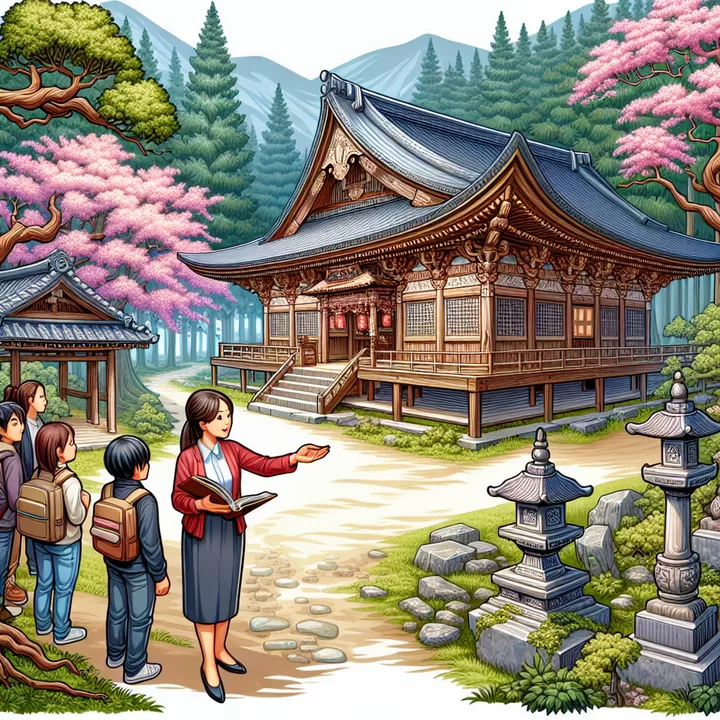
Unlock Japan’s Soul: A Teacher’s Guide to Japanese Temples 🇯🇵✨
Hello there, aspiring Japan explorers! As your teacher from Samurai Japan Business Center Inc., I’m incredibly excited to guide you on a journey into the very heart of Japanese culture. When you think of Japan, what comes to mind? Maybe delicious ramen, bustling Tokyo streets, or the serene beauty of cherry blossoms? While all those are wonderful, to truly unlock Japan’s soul, you need to visit its temples. 🏯
Japanese temples, known as お寺 (o-tera), are not just ancient buildings; they are living testaments to history, art, and spirituality. For Filipinos, who often have a deep connection to faith and tradition, exploring these sacred sites can be a profoundly enriching experience. Understanding temples isn’t just about sightseeing; it’s about grasping the core values, aesthetics, and historical layers that shape Japanese society. It’s a key step in truly preparing for your dream life in Japan! Let’s dive in!
💡 Teacher’s Tip:
Don’t just observe; truly experience! Pay attention to the sounds, the smells, and the atmosphere. Temples offer a unique sense of tranquility that can be a welcome escape from the hustle and bustle of daily life in Japan.
Temple or Shrine? Understanding the Key Difference 🤔
One of the most common questions I get from my students is: “Teacher, what’s the difference between a temple and a shrine?” It’s a great question, as both are sacred places, but they represent different spiritual traditions: Buddhism and Shintoism.
**Buddhism** came to Japan from Asia (via China and Korea) in the 6th century, introducing the concept of enlightenment and a path to salvation. **Shintoism**, on the other hand, is Japan’s indigenous religion, focusing on the worship of 神様 (kami-sama), or deities, and the purity of nature. Many Japanese people practice both religions, showing the beautiful spiritual harmony that exists in the country.
To make it super clear, here’s a quick comparison:
Temples vs. Shrines: A Quick Guide for Learners
| Feature | Temples (お寺 – O-tera) | Shrines (神社 – Jinja) |
|---|---|---|
| Religion | Buddhism (仏教 – Bukkyō) | Shintoism (神道 – Shintō) |
| Main Entrance | Large wooden gate called 山門 (Sanmon) or 仁王門 (Niōmon) | Red or unpainted gate called 鳥居 (Torii) |
| Main Deities/Figures | Buddha statues (仏像 – Butsuzō) | Kami (deities) |
| Symbols/Features | Pagodas (五重塔 – Gojū-no-tō), incense burners, cemeteries, statues of guardians like 仁王 (Niō). | Shimenawa (sacred rope), Komainu (guardian dogs), purification fonts (手水舎 – Chōzuya) (also at temples, but primary here). |
| Purpose | Worship, prayer for salvation, memorial for ancestors, meditation. | Worship, prayer for good fortune, purification, traditional ceremonies (weddings, blessings). |
This distinction is crucial, but remember that the general spirit of respect and reverence applies to both!
Exploring the Anatomy of a Japanese Temple 🗺️
When you visit an お寺, you’ll notice various buildings and features, each with its own purpose. Knowing these will enhance your understanding and appreciation.
-
山門 (Sanmon) or 仁王門 (Niōmon)
The main gate. Often a grand structure that serves as the symbolic boundary between the mundane world and the sacred space. At a Niōmon, you’ll see fierce guardian statues on either side, protecting the temple from evil spirits.
-
本堂 (Hondō)
The Main Hall. This is the central building where the primary Buddha statue is enshrined. This is where most worship and prayers take place.
-
五重塔 (Gojū-no-tō) / 三重塔 (Sanjū-no-tō)
Pagodas. These multi-storied towers are iconic symbols of Japanese temples. They typically house sacred relics, such as ashes of the Buddha, and serve as symbols of the Buddhist cosmos.
-
鐘楼 (Shōrō)
The Bell Tower. This structure houses a large bronze bell (梵鐘 – Bonshō) that is rung at specific times, often to mark the hours or during special ceremonies, like New Year’s Eve (除夜の鐘 – Joya no Kane).
-
経蔵 (Kyōzō)
Sutra Repository. This building stores Buddhist scriptures (sutras). Sometimes, visitors are allowed to rotate a large wooden cylinder inside, which is believed to grant the same merit as reading all the scriptures.
-
庭園 (Teien)
Gardens. Many temples feature beautifully designed gardens, often dry landscape gardens (枯山水 – Karesansui) or traditional strolling gardens. These are places for quiet contemplation and appreciating nature’s beauty.
⚠️ Common Mistake Alert:
Don’t confuse the main Buddha statue with a mere decoration. These are highly revered religious objects. Avoid touching them, taking flash photography, or pointing directly at them. Always show respect!
Temple Etiquette: Visiting with Respect and Understanding 🙏
Visiting a Japanese temple is more than just sightseeing; it’s an act of respect and participation in a long-standing tradition. Here’s a step-by-step guide to help you navigate your first visit like a local:
1. **Bow at the Gate:** As you approach the 山門 (Sanmon) or main gate, pause, take a slight bow, and then proceed. This signifies your entry into a sacred space.
2. **Purification at the 手水舎 (Chōzuya):** Many temples (and all shrines) have a purification fountain. This ritual cleanses your body and mind before approaching the main hall.
* Pick up the ladle with your right hand and scoop water.
* Pour a little water over your left hand to cleanse it.
* Switch the ladle to your left hand and pour water over your right hand.
* Hold the ladle in your right hand again, pour a small amount of water into your cupped left palm, and rinse your mouth. **Do not drink the water directly from the ladle, and do not spit the water back into the fountain.** Spit it next to the fountain into the drainage area.
* Finally, hold the ladle vertically, letting the remaining water run down the handle to cleanse it, then place it back face down.
3. **Incense Burning (お線香 – Osenkō):** At some temples, you can purchase incense sticks. Light them, extinguish the flame by waving your hand (don’t blow!), and place them into the large incense burner. Many people then waft the smoke towards themselves, believing it has healing properties.
4. **Making an Offering (お賽銭 – Osaisen) & Prayer (参拝 – Sanpai):**
* Approach the main hall and find the offering box. Gently toss in a coin (any amount is fine, but ¥5 (go-en) coin is often considered lucky as “go-en” can also mean “good connection”).
* Ring the bell (if available) by pulling the rope – this is to get the deity’s attention.
* **At a temple:** Bow deeply once, put your hands together in prayer (like a “namaste” gesture), offer your silent prayer, and then bow deeply once more.
* **Unlike shrines, you usually do not clap your hands at a temple.**
5. **Collecting 御朱印 (Goshuin):** Many temples offer beautiful red stamps and calligraphy known as 御朱印 (Goshuin). You can purchase a special notebook (御朱印帳 – Goshuin-chō) and collect these unique artistic proofs of your visit. It’s a lovely memento and a way to support the temple.
6. **Leaving:** As you exit through the main gate, turn around and offer another slight bow to show your gratitude and respect.
💡 Teacher’s Tip:
Always speak in a soft voice, or ideally, remain silent. Temples are places of peace and contemplation. Avoid loud conversations or using your phone for calls. Remember, you are a guest in a sacred space.
Essential Japanese Phrases for Your Temple Visit 🗣️
Knowing a few key phrases will not only help you navigate but also show your respect and enhance your experience.
Useful Phrases for Temple Visits
| Japanese Phrase | Pronunciation | English Meaning |
|---|---|---|
| お寺 (おてら) | O-tera | Temple |
| 参拝 (さんぱい) | Sanpai | Worship / Visiting a sacred place |
| 手水舎 (ちょうずや) | Chōzuya | Purification fountain |
| お守り (おまもり) | Omamori | Good luck charm / Amulet |
| おみくじ (おみくじ) | Omikuji | Fortune slip |
| 御朱印 (ごしゅいん) | Goshuin | Temple/Shrine stamp (collected in a special book) |
| すみません (すみません) | Sumimasen | Excuse me / Sorry |
| ありがとうございます (ありがとうございます) | Arigatō gozaimasu | Thank you very much |
Practice these phrases! Even a simple “Sumimasen” when you need to pass by someone or “Arigatō gozaimasu” when buying an お守り will go a long way in showing your respect and appreciation for Japanese culture.
The Cultural and Historical Significance of Temples 📚
Beyond their spiritual role, temples are vital cultural repositories. They house priceless art, ancient texts, and offer a window into Japan’s long and complex history.
* **Art and Architecture:** Many temples are masterpieces of traditional Japanese architecture, featuring intricate woodwork, stunning paintings, and serene gardens. Famous temples like Tōdai-ji in Nara (housing a giant Buddha statue) or Kinkaku-ji (Golden Pavilion) in Kyoto are designated UNESCO World Heritage Sites, attracting visitors from all over the globe. Studying their design elements can teach you about Japanese aesthetics and craftsmanship.
* **Historical Events:** Temples have often played central roles in Japanese history, serving as centers of learning, political negotiation, and even battlegrounds. They witnessed the rise and fall of shoguns, the spread of new ideas, and the evolution of Japanese society.
* **Spiritual Oasis:** In modern Japan, temples continue to be places of solace and reflection. They offer a quiet escape from the fast pace of city life, allowing people to reconnect with nature, meditate, and find inner peace. For many Japanese, visiting a temple is an annual tradition, especially during New Year’s (初詣 – Hatsumōde), to pray for good fortune and health.
💡 Cultural Insight:
The concept of 「もったいない」(mottainai) is deeply rooted in Japanese culture, often translated as “don’t waste.” This extends to respecting objects, resources, and even time. When visiting temples, this means treating the grounds and artifacts with care and reverence, acknowledging their historical and spiritual value.
Your Journey to Japan: Learning Beyond the Classroom 🚀
Understanding Japanese temples is just one example of how immersing yourself in the culture can deepen your language learning and prepare you for life in Japan. It’s about developing 異文化理解 (ibunka rikai) – cross-cultural understanding.
When you know the background of these sites, you’ll better understand conversations, television shows, and even daily customs. You’ll also feel more comfortable and confident visiting these places yourself, which is a fantastic way to practice your Japanese skills in real-world scenarios. Imagine asking for an おみくじ (omikuji) or a Goshuin in Japanese – what an achievement!
Conclusion: Embrace the Spirit of Japan! 🎉
Visiting Japanese temples is an unforgettable experience that offers so much more than just beautiful scenery. It’s an opportunity to connect with Japan’s profound spiritual heritage, appreciate its exquisite art and architecture, and practice the respect and humility that are so characteristic of Japanese culture.
As you continue your journey of learning Japanese and preparing for your life in Japan, remember that every piece of cultural knowledge you gain is like adding another key to unlock new doors. So, when you finally arrive in the Land of the Rising Sun, make sure to set aside time to explore these sacred spaces. Bow respectfully, cleanse yourself at the Chōzuya, and offer a quiet prayer. You’ll not only enrich your understanding of Japan but also find a profound sense of peace and inspiration.
Keep studying hard, stay curious, and never stop exploring! Your dream life in Japan awaits, filled with incredible experiences like these. We’re here to support you every step of the way! Ganbatte kudasai! (Good luck!)
Contact & Follow Us
お問い合わせ
📞 電話: +63 997 093 4550
📧 メール: samuraijapan.bc@gmail.com
🏠 住所: Room D3, Freb Bldg, Villa Donata Subd, Muntinlupa
🏢 会社名: SAMURAI Japan Business Center Inc.
SNSでフォロー
🎵 Tiktok: @samuraijapan0221
📸 Instagram: @samuraijapan.bc
▶️ Youtube: @SamuraiJapan-bc
📘 Facebook: Visit our Page
