

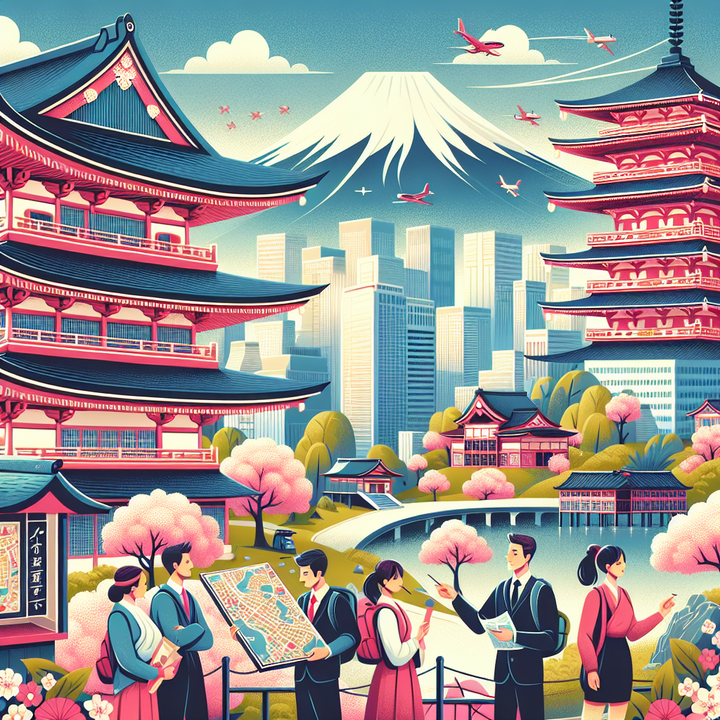
Your Japan Dream Tour: Teacher’s Top Tourist Spots Guide
Konnichiwa, my dear students! As your Japanese language teacher, one of the most common dreams I hear from you, my dedicated Filipino learners, is the desire to visit Japan. And why not? Japan is a country of breathtaking beauty, rich history, cutting-edge technology, and a culture that is both unique and wonderfully inviting. It’s a place where ancient traditions blend seamlessly with modern marvels, creating an unforgettable experience for every traveler.
But for those of us learning Japanese, a trip to Japan isn’t just a vacation; it’s an incredible opportunity to truly immerse yourselves in the language and culture you’ve been working so hard to master. Imagine using the phrases you’ve learned in a real-life setting, navigating train stations, ordering your favorite food, or simply chatting with locals. That’s why today, I want to share my personal recommendations for top tourist spots and essential travel tips, all from the perspective of helping you make the most of your language learning journey!
Why Travel to Japan is More Than Just Sightseeing for Language Learners
For my students, a trip to Japan isn’t just about taking photos; it’s a vital part of your learning process. It’s where theory meets practice, and where your understanding of Japanese culture deepens far beyond what any textbook can teach.
-
Practical Application of Your Skills
Every interaction in Japan, from buying a ticket to asking for directions, becomes a chance to practice. You’ll find yourself remembering vocabulary and grammar points you thought you’d forgotten, and the confidence you gain from successfully communicating, even with simple phrases, is immeasurable. This hands-on experience solidifies your learning in a way no classroom ever could.
-
Deeper Cultural Understanding
Language and culture are intertwined. By being in Japan, you’ll observe nuances in communication, social etiquette, and daily life that are crucial for truly understanding the language. You’ll see how politeness (keigo) is used in various situations, how people interact in public spaces, and how ancient traditions influence modern life. This deepens your appreciation and makes your language learning more meaningful.
-
Boost Your Motivation
Experiencing Japan firsthand will reignite your passion for learning. When you see the places you’ve read about, taste the food you’ve only seen in pictures, and hear the language spoken all around you, you’ll feel a renewed sense of purpose. This motivation is invaluable for overcoming the challenges of language study and pushing you further towards your goals.
Must-Visit Destinations: My Teacher’s Picks!
If you’re planning your first trip to Japan, here are some iconic places that offer a perfect blend of experiences, from bustling city life to serene natural beauty, and plenty of opportunities to practice your Japanese!
-
Tokyo: The Electrifying Metropolis
Japan’s capital is a must-see for its incredible energy and diversity. It’s a fantastic place to test your urban navigation skills!
- Shibuya Crossing: Experience the world’s busiest intersection. It’s chaotic but strangely organized! Try saying, “Eiga wa doko desu ka?” (Where is the cinema?) if you’re looking for the famous 109 building.
- Shinjuku Gyoen National Garden: A peaceful oasis amidst skyscrapers. Practicing quiet conversation here, like “Kore wa kirei desu ne!” (This is beautiful, isn’t it!), feels natural.
- Senso-ji Temple (Asakusa): Tokyo’s oldest temple, offering a glimpse into traditional Japan. Remember to bow respectfully at the entrance and before the main altar. You might hear locals saying “Omairi desu ka?” (Are you visiting the shrine/temple?).
-
Kyoto: The Heart of Traditional Japan
Kyoto is where you’ll find ancient temples, beautiful gardens, and geisha districts. It’s perfect for experiencing Japan’s rich cultural heritage. Practice your polite phrases here!
- Kinkaku-ji (Golden Pavilion): A stunning Zen temple covered in gold leaf. When admiring it, you can say, “Subarashii desu ne!” (It’s wonderful, isn’t it?).
- Fushimi Inari Taisha: Famous for its thousands of vibrant orange torii gates. This is a great place to practice asking for directions to the summit: “Itadaki wa doko desu ka?” (Where is the summit?).
- Arashiyama Bamboo Grove: A serene and picturesque bamboo forest. Walking through it, you can simply enjoy the atmosphere. Remember that public transport can be quite busy, so politely say “Sumimasen” when navigating through crowds.
-
Osaka: The Lively Foodie Heaven
Osaka is known for its delicious street food, vibrant nightlife, and friendly locals. It’s a great place to practice your ordering skills and enjoy the lively atmosphere!
- Dotonbori: A dazzling entertainment district. Don’t miss trying takoyaki (octopus balls) and okonomiyaki (savory pancake)! Practice “Kore o kudasai!” (I’ll have this, please!) at a food stall.
- Osaka Castle: A majestic landmark with a rich history. While exploring, you might hear local dialects, but standard Japanese is always understood. Try saying “Oishii desu!” after enjoying your food – Osaka people love to hear that!
-
Nara: Where Deer Roam Free
Just a short train ride from Kyoto or Osaka, Nara offers a unique experience with its friendly, free-roaming deer and historic temples. It’s a more relaxed pace, perfect for simple interactions.
- Todai-ji Temple & Nara Park: Home to a giant Buddha statue and hundreds of deer. You can buy “shika senbei” (deer crackers) and feed them. A simple “Arigatou!” (Thank you!) to the deer, even playfully, is part of the fun!
-
Hiroshima: A Symbol of Resilience and Peace
Visiting Hiroshima offers a profound historical and educational experience, showing Japan’s journey from tragedy to peace. It’s a place for quiet reflection and learning.
- Peace Memorial Park & Museum: A powerful reminder of the atomic bombing and a plea for world peace. Approach this area with respect and solemnity. It’s a place for quiet contemplation.
- Miyajima Island & Itsukushima Shrine: A beautiful island accessible by ferry, famous for its “floating” torii gate. A wonderful place for scenic views and peaceful walks.
Essential Travel Tips for Filipino Travelers (From Your Language Teacher!)
Navigating a new country can be daunting, but with a little preparation, your Japan trip will be smooth and enjoyable. Here are some teacher-approved tips:
-
Transportation Made Easy: Master the Trains!
Japan’s public transportation, especially its train system, is world-class. It might seem complex at first, but it’s incredibly efficient. Consider getting a Japan Rail Pass if you plan extensive inter-city travel (do your research to see if it’s cost-effective for your itinerary). For city travel, an IC card like Suica or Pasmo (available at major stations) is your best friend – simply tap and go! Remember to stand on the correct side on escalators (usually left in Tokyo, right in Osaka) and avoid talking loudly on trains.
-
Accommodation Smarts: Book Ahead!
Japan offers a range of accommodations, from budget-friendly hostels and business hotels to traditional ryokans (Japanese inns) and modern hotels. Especially during peak seasons (cherry blossom, autumn leaves), rooms can book up quickly and prices can rise. Plan and book your stays well in advance, and don’t hesitate to use online travel agencies or hotel comparison sites.
-
Staying Connected: Wi-Fi and SIM Cards
Reliable internet access is crucial for navigation, translation, and staying in touch. You can rent a pocket Wi-Fi device at the airport or have one delivered to your accommodation. Alternatively, purchase a data-only SIM card upon arrival. Many public places, like train stations and cafes, also offer free Wi-Fi, but your own device provides more consistent access.
-
Budgeting Wisely: Yen and Cash vs. Card
While Japan is becoming more cashless, cash is still king in many smaller establishments, especially outside major cities. Always carry some yen with you. ATMs are widely available, particularly at convenience stores like 7-Eleven and Lawson. Remember to factor in not just accommodation and transport, but also food, attraction entrance fees, and a little extra for souvenirs and unexpected delights!
Cultural Customs You Should Know: My “Do’s and Don’ts”
Understanding and respecting local customs will greatly enhance your travel experience and show your appreciation for Japanese culture. Here are some key points from your teacher:
-
Bowing (お辞儀 – Ojigi):
Bowing is a fundamental part of Japanese etiquette. A slight nod is enough for casual greetings, while a deeper bow shows respect or apology. You’ll often receive bows in return. Don’t worry about perfecting it; your effort will be appreciated!
-
Removing Shoes (靴を脱ぐ – Kutsu o Nugu):
Always remove your shoes when entering homes, some restaurants, traditional inns (ryokan), temples, and certain shops. Look for a genkan (entryway) and shoe racks. Socks are a good idea! This shows respect for the cleanliness of the establishment.
-
Public Transport Etiquette:
Public transport in Japan is incredibly orderly. Keep noise levels low on trains and buses, avoid talking on your phone, and offer your seat to the elderly or pregnant women. Line up neatly when waiting to board, and let passengers alight before getting on.
-
Dining Etiquette:
It’s generally considered polite to slurp noodles, as it shows enjoyment. Finish all your food (mottainai!). Don’t stick chopsticks upright in your rice, as this is associated with funerals. Sharing food from a single plate is common in some contexts, but individual portions are also standard. When saying “itadakimasu” before a meal and “gochisousama deshita” after, you’re not just being polite, you’re showing gratitude!
-
Temple and Shrine Etiquette:
Approach these sacred sites with respect. At shrines, purify yourself at the temizuya (water basin) before approaching the main hall. At both temples and shrines, it’s common to offer a small coin (usually 5 yen for good luck), clap your hands twice (at shrines), and bow. Always be mindful of your surroundings and avoid loud conversations.
Speak Like a Local: Key Japanese Phrases for Travelers
Even a few basic phrases can make a huge difference in your interactions and show your respect for the local culture. Practice these often!
-
Greetings & Basic Politeness:
- Konnichiwa (こんにちは): “Hello” (daytime).
- Arigatou gozaimasu (ありがとうございます): “Thank you very much.” (Use this often!)
- Sumimasen (すみません): “Excuse me” (to get attention, apologize, or say sorry). Very versatile!
- Onegaishimasu (お願いします): “Please” (when asking for something).
-
Asking for Directions:
- ~ wa doko desu ka? (~はどこですか?): “Where is ~?” (e.g., “Eki wa doko desu ka?” – Where is the station?)
- Massugu (まっすぐ): “Straight ahead.”
- Migi (右): “Right.”
- Hidari (左): “Left.”
-
Ordering Food:
- Kore o kudasai (これください): “This one, please.” (Point to the menu item).
- Oishii desu (美味しいです): “It’s delicious!” (A great compliment to the chef!).
- Omizu kudasai (お水ください): “Water, please.”
-
Shopping:
- Ikura desu ka? (いくらですか?): “How much is it?”
- Kore wa nan desu ka? (これは何ですか?): “What is this?”
- Baggu wa irimasu ka? (バッグは要りますか?): “Do you need a bag?” (You’ll often be asked this at checkout). You can reply with “Hai” (Yes) or “Iie, irimasen” (No, I don’t need one).
-
Emergencies:
- Tasukete kudasai! (助けてください!): “Please help!”
- Byouin wa doko desu ka? (病院はどこですか?): “Where is the hospital?”
Remember, don’t be afraid to make mistakes! Japanese people are generally very patient and appreciative of foreigners who try to speak their language. Your effort shows respect and opens doors to wonderful interactions.
Your dream trip to Japan isn’t just a fantasy; it’s a very achievable goal. Every lesson you attend, every new word you learn, and every grammar point you master brings you one step closer to confidently exploring the beautiful landscapes and vibrant cities of Japan. Think of your language studies as preparing you for the most immersive and rewarding travel experience of your life.
I believe in you! Keep studying, keep dreaming, and soon enough, you’ll be creating your own unforgettable memories in Japan, armed with the language skills to make every moment count. Ganbatte kudasai!
Contact & Follow Us
お問い合わせ
📞 電話: +63 997 093 4550
📧 メール: samuraijapan.bc@gmail.com
🏠 住所: Room D3, Freb Bldg, Villa Donata Subd, Muntinlupa
🏢 会社名: SAMURAI Japan Business Center Inc.
SNSでフォロー
🎵 Tiktok: @samuraijapan0221
📸 Instagram: @samuraijapan.bc
▶️ Youtube: @SamuraiJapan-bc
📘 Facebook: Visit our Page
